

California wineries just gained something producers in many other food and beverage industries have long relied upon: the ability to hear directly from consumers about what they like, what they don’t like, and why. Governor Gavin Newsom signed AB 1991 into law on September 18, creating a legal pathway for wineries, breweries and craft distilleries to conduct sensory tastings for market research.
Tasting Limitations
The new law restricts tastings with guardrails to keep the sampling focused on legitimate research. Participants must be 21 or older, incentives and promotional giveaways are prohibited, and research data cannot be used for advertising. Participant compensation is capped at $500, an individual may participate in no more than three tastings per year, and beverages tested during the research cannot be sold that same day. Retailers and wholesalers cannot participate.
The law also includes a five-year sunset, giving California an opportunity to evaluate how the program works in practice.
The Glass Half Full.
For California wine producers, AB 1991 is ultimately about making better-informed decisions before making expensive ones. Growing grapes and making wine require years of planning, investment and patience, and direct consumer feedback can help wineries refine products, explore new styles and better understand where to invest and innovate. In a rapidly changing marketplace, AB 1991 gives producers a valuable new tool to help reduce uncertainty and respond to evolving consumer tastes.
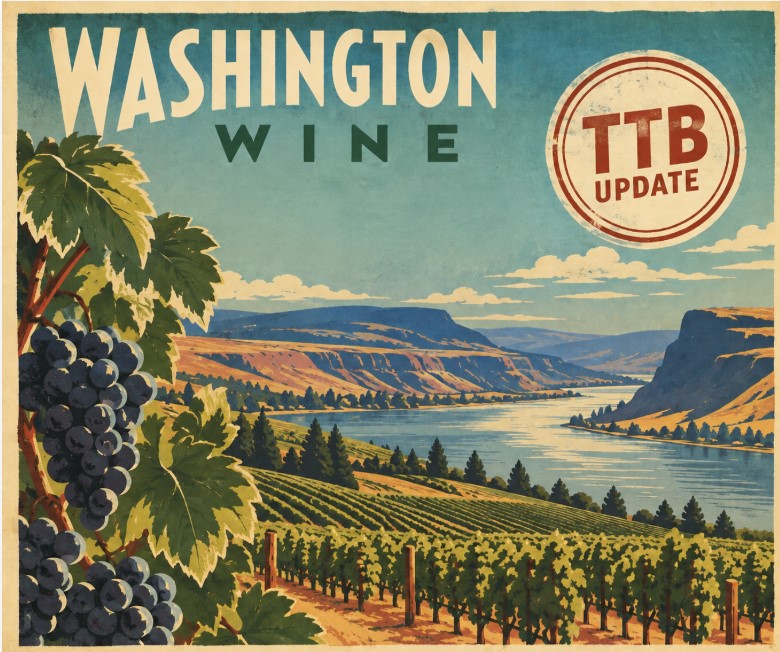
Effective September 16, 2026, TTB is establishing the Columbia Hills American Viticultural Area in Klickitat County.
The new 29,387-acre AVA sits entirely within the existing Columbia Valley AVA and currently includes about 338 acres of vineyards and four wineries.
What does this mean for wineries?
If you want to use “Columbia Hills” as an appellation on your wine label:
At least 85% of the grapes must come from within the new Columbia Hills AVA.
You’ll need a new COLA, even if your current label is already approved with another AVA.
Wait until September 16 to submit a COLA application using the new AVA name.
Since Columbia Hills is nested within Columbia Valley, qualifying wines may use Columbia Hills, Columbia Valley, or both as their appellation.
One other thing to note: existing labels and brand names using “Columbia Hills.” Once the rule takes effect, TTB will consider the name a term of viticultural significance. That means its use on a label can trigger AVA eligibility requirements even when it isn't being used specifically as the wine's appellation.
Call to Action: If you source grapes from this part of Klickitat County—or already use “Columbia Hills” somewhere on your wine labels, be sure to add a calendar reminder for Wednesday, September 16th to begin updating those preexisting COLAs affected by this TTB update.
Wine licensees (and any other alcohol licensees) that are closed while undergoing repairs may place their alcohol permit into escrow/non-operational status for up to five years. For those that need another location to store inventory during repairs, the ATC is also entertaining requests for temporary off-site storage through September 18, 2026.
Requests should be emailed to Legal@atc.IN.gov and include:
Alcohol permit number;
Address of the temporary storage location; and
Description of how the alcoholic beverages will be secured.
Before resuming operations, a business with a permit in escrow must schedule a floorplan inspection with Indiana State Excise Police. The business must also provide proof of valid liquor liability insurance, unless its annual alcohol sales are, or are projected to be, less than $25,000.
Resources are available here:
Louisiana will shift state requirements for wine container sizes and case configurations to match the federal standards as of August 1, 2026. Wine will be permitted to be sold in via wholesaler or shipped into Louisiana via direct-to-consumer sales in any container size approved by the Alcohol and Tobacco Tax and Trade Bureau.
The law also updates the allowable number of wine containers per case for several container sizes. These changes may create new merchandising and sales opportunities for products that were previously unavailable in the state. See below for the specific case configuration changes.
Wine Container sizes Containers per case:
Wine Container Size
Containers per Case
5 through 20 liters
1
4 liters
4
3 liters
Not more than 6
1.5 liters
Not more than 6
1 liter
Not more than 12
750 ml
Not more than 12
500 ml
12
375 ml
24
355 ml
24
250 ml
24
200 ml
Not more than 48
187 ml
48
Note: "Not more than" indicates the maximum number of containers permitted in a case for that container size.

From a marketing perspective, the World Cup presents a significant opportunity for brands to engage broader audiences through creative campaigns tied to the tournament. Many states have implemented temporary changes to alcohol laws to accommodate increased tourism, account for global time zone differences, and support hospitality industry growth. While most adjustments focus on extending first and last call hours, several jurisdictions have also introduced designated outdoor entertainment zones to facilitate regulated, large-scale gatherings and maximize the event’s economic impact.
Here is an overview of the states participating in this historic event that overlaps with America turning 250. Note that while Texas is hosting World Cup Games, they have not altered their alcohol regulations and in turn have been left off the list below.
· GA: Atlanta’s City Council has relaxed their open-container restrictions related to the World Cup
· KS: Bars and restaurants will be permitted to serve alcohol from 6 a.m. until 5 a.m. during the World Cup period
· MA: Last call is extended to 3a.m. during the World Cup period + municipalities can establish designated public drinking areas linked to World Cup and other major events
· MO: Bars and restaurants in Missouri will be allowed to serve alcohol from 6 a.m. to 5 a.m. from June 11 to July 19
· NJ: Municipalities have more flexibility to extend alcohol service hours to accommodate World Cup events.
· NY: Bars and restaurants to serve alcohol until 4am throughout the tournament
· PA: Under legislation, Philadelphia bars and restaurants will be allowed to stay open two extra hours during the FIFA World Cup and America250 events
· RI: Legislation approved to allow bars and restaurants to have extended hours: 5 towns and cities have the option to extend their hours to stay open until 4a.m. and serving alcohol until 3a.m. from June 11 through July 3
· WA: Seattle as an official host city for FIFA World Cup has created a special fan-zone permit allowing alcohol service in these areas to go beyond regular restrictions in June and July.
Stay on top of critical pricing, trade practice, and licensing updates with the Wine and Spirits Law Digest! Contact us for a demo and pricing at Digest@WineandSpiritsLaw.com or visit us at WineandSpiritsLaw.com
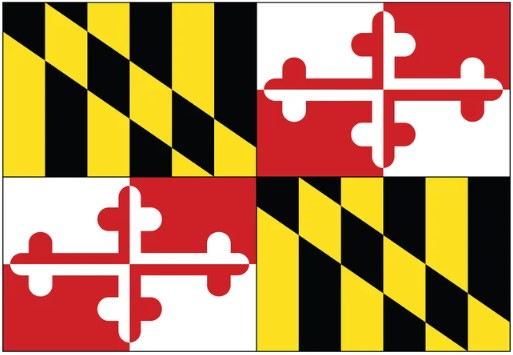
Suppliers may find Maryland’s retail market more attractive as the state begins loosening some regulatory limits. Suppliers can now do more with multipack/gift packs and are subject to increased advertising item allowances (like point-of-sale displays) and a 100% increase in on-premise promotional spending.
Stay on top of critical pricing, trade practice, and licensing updates with the Wine and Spirits Law Digest! Contact us for a demo and pricing at Digest@WineandSpiritsLaw.com or visit us at WineandSpiritsLaw.com
The Wine and Spirits Law Digest is your go-to resource for all legal, regulatory and guidance changes at the state level. In this post we summarize recent changes to the Washington State price differential law after a court decision lead to the state repealing certain provisions:
Washington state recently repealed three sections of the law related to pricing after a court decision found the passage of those rules exceeded the LCB’s authority: (1) WAC 314-23-080 limiting volume discounts for spirits to a six-month introductory period; (2) WAC 314-23-085 disallowing volume discounts over time, or delivered to multiple locations; and (3) WAC 314-23-065(1)(j) prohibiting discriminatory practices and pricing in which product is not offered to all retailers in the local market at the same price.
Industry members are advised to consult with counsel and proceed with caution in this area as it is developing.
Excited to share big news — The Digest of Wine & Spirits Law is now part of Barnes Beverage Group!🍷🍸
After more than 30 years of serving the industry, we are thrilled to announce that wineandspiritslaw.com has been acquired by Barnes Beverage Group, a leader in alcohol beverage law and compliance.
Since 1991, The Digest (often called “the Red Books”) has been the trusted resource for wine, spirits, and beer professionals navigating the complex world of federal and state regulations. What began as a quarterly printed publication by Mary Kramer has grown into the industry’s premier online compliance database — helping thousands of producers, wholesalers, importers, and retailers stay informed and compliant.
We are confident that this next chapter under Barnes Beverage Group will strengthen and expand The Digest while preserving everything that has made it indispensable. Our commitment remains the same: delivering clear, practical, and reliable guidance so you can focus on building your business.
A heartfelt thank you to Compliance Services of America for their outstanding stewardship and for being such a wonderful partner during this transition. Your dedication to the Digest and to the industry has been truly appreciated.
We’re excited for what’s ahead and look forward to continuing to support you with the same quality content and service you’ve relied on for decades — now with even greater resources and expertise behind us.
Visit us at wineandspiritslaw.com and stay tuned for updates as we build the future of The Digest together.
Here’s to the next 30+ years!

For wine and spirits professionals, compliance isn’t optional—it’s essential. Did you know that compliance expertise can be right at your fingertips with The Digest of Wine and Spirits Law?
Here’s why you need a subscription:
Saves Money
The Digest offers the most cost-effective compliance help out there—less than $100/month, and multi-user discounts are available. It’s a small investment for big peace of mind.
Saves Time
No more need to sift through legal resources to find the laws and regulations you’re looking for. Check out the Recent Updates list when you login or opt to receive periodic emails summarizing the latest updates.
Shows What’s Changed
Easily see what’s changed! The Digest’s compare function highlights updates so you can stay on top of important revisions.
Provides Quick Answers
The Digest is designed to be user friendly and easy to navigate, allowing you to find information you need in seconds. Customized reports for specific states or topics are simple to generate.
Saves Legal Fees
The Digest provides legal citations and links for in-depth research, saving you both time and legal fees.
Key Features Include:
- Federal Regulations (CFR) for interstate suppliers.
- Summary tables for wholesale and direct-to-consumer sales.
- Up-to-date excise tax rates and detailed state requirements.
- Contact info for state agencies.
- List of control states including details about which products are sold through the various state-controlled systems.
Get started with The Digest of Wine and Spirits Law today—your one-stop compliance solution!
For a demonstration of The Digest, view the video, or contact us to schedule a live screen-share demo. Visit our website or give us a call: 800-400-1353.
New state laws governing the alcoholic beverage industry go into effect frequently. Unless you happen to see a public announcement, how do you find out about these changes, and whether they impact the way you do business in the state?
The Digest of Wine & Spirits Law makes it easy. The Digest is updated throughout the year, as laws change. A public listing of recent updates is available on The Digest’s home page. From there, subscribers can view the updated article, marked up to show the changes. Watch Corky, The Digest’s animated assistant, demonstrate how this works.
Subscribe to The Digest of Wine & Spirits Law to take advantage of its many powerful features that make it an indispensable research tool for industry professionals.
For a demonstration of The Digest, view the video, or contact us to schedule a live screen-share demo. Visit our website or give us a call: 800-400-1353.