
When it comes to yeast nutrition, YAN (Yeast Assimilable Nitrogen) is often the starting point for fermentation planning. But while adequate nitrogen is essential for healthy yeast growth and fermentation performance, YAN alone doesn't tell the whole story.
Yeast also requires vitamins, minerals, sterols, and other nutrients to support cellular function, withstand fermentation stress, and complete fermentation successfully. Understanding how these nutritional components work together can help winemakers make more informed decisions about nutrient additions and reduce the risk of fermentation problems.
Not All Nitrogen Sources Are the Same
Nitrogen is essential for yeast growth and metabolism, but the source of that nitrogen can influence fermentation performance.
Inorganic nitrogen, typically supplied as diammonium phosphate (DAP), provides readily assimilable ammonium that yeast can use to support growth and fermentation activity. However, DAP does not supply the amino acids, vitamins, or other micronutrients that yeast may also need.
Organic nitrogen, supplied through yeast-derived nutrients, provides amino acids and small peptides, often alongside vitamins, minerals, and other beneficial compounds. These complex nutrients can offer broader nutritional support and may be particularly valuable under challenging fermentation conditions.
Neither approach is universally better. The most effective strategy depends on the must's nutritional composition, fermentation conditions, and desired outcome.
The Role of Vitamins, Minerals, and Sterols
Nitrogen may receive the most attention, but other nutrients play important roles in yeast health and fermentation performance too:
Vitamins, particularly thiamine, support essential metabolic processes involved in fermentation.
Thiamine encourages faster cell growth to build biomass, while B5 promotes lipid synthesis and ester formation.
Minerals, including magnesium and zinc, act as cofactors for enzymes involved in yeast metabolism.
Sterols contribute to cell membrane structure and function, helping yeast maintain membrane integrity as alcohol concentrations rise. They also help transport nutrients into the yeast cells.
A must may have adequate YAN but still benefit from additional nutritional support if other essential compounds are limited.
Timing Matters, Too
Nutrient selection is only part of the equation. When nutrients are added can be just as important as what is added.
During the early stages of fermentation, yeast cells are actively growing and require sufficient nitrogen and micronutrients to establish a healthy population.
As fermentation progresses, yeast faces increasing ethanol concentrations and other stresses. Depending on fermentation conditions and the nutrient formulation, carefully timed additions can help maintain yeast activity and support fermentation through completion.
Late nutrient additions require particular consideration, since yeast becomes less efficient at assimilating nitrogen as fermentation advances. Unused nutrients may also remain available to unwanted microorganisms.
For these reasons, nutrient additions should be guided by YAN measurements, fermentation progress, and the specific needs of the must rather than a one-size-fits-all schedule.
Nutrition and Wine Style
Beyond supporting fermentation completion, nutrient management can influence the sensory characteristics of the finished wine.
Nitrogen availability and nutrient composition can affect yeast metabolism, including the production of aroma compounds. In aromatic white and rosé wines, for example, nutrient selection may be particularly important when the goal is to preserve freshness and encourage desirable fruity or floral characteristics.
The objective isn't necessarily to provide more nutrients, but to provide the appropriate nutrients for the yeast strain, must composition, fermentation conditions, and intended wine style.
Choosing the Right Nutrient Strategy
An effective nutrient program considers several factors: initial YAN, the balance of organic and inorganic nitrogen, availability of micronutrients, fermentation temperature, yeast strain, and the desired sensory profile.
Different fermentation conditions call for different approaches. A must with a modest nitrogen deficiency may benefit from a general-purpose complex nutrient, while a low-YAN or otherwise challenging fermentation may require more comprehensive support. Aroma-focused wines may benefit from formulations designed with sensory expression in mind.
ATPGroup offers a full range of yeast nutrients and fermentation aids to address these varying needs, including:
SpringFerm™: Yeast-derived nutrition for general fermentation support.
SpringFerm™ Xtrem: Organic nitrogen and micronutrients for low-YAN and challenging fermentations.
SpringFerm™ Complete: A combination of inorganic and yeast-derived nitrogen with essential vitamins and minerals.
DAP: A mineral nitrogen source used for yeast viability during primary fermentation.
These are just some examples from ATPGroup's broader portfolio of yeast nutrients and fermentation aids. View all of our yeast nutrient products here:
For assistance evaluating your fermentation needs or developing a nutrient strategy, reach out to your ATPGroup representative or contact ATPGroup's team of experienced winemakers and enologists at (707) 836-6840.
___________________________
ATPGroup was founded as a family business in 1991. Now a leading supplier to the wine, beer, food, and pharmaceutical markets, we strive to provide solutions and create value for our customers in each of the industries we serve. The company offers an unparalleled range of high-quality products and services including winemaking & cellar products, brewery supplies, glassware, cleaning & sanitation solutions, tartaric acid, cream of tartar, and Rochelle salt. Its team is made up of industry veterans, cellar masters, and product specialists who provide technical expertise in their respective fields. With warehouses across the country, the company is strategically located to serve customers throughout the U.S., Canada, and Mexico.

With wildfires once again affecting many wine-producing regions, smoke exposure is a very real concern for many wineries this harvest. But smoke exposure does not necessarily mean the fruit is lost. There are steps winemakers can take throughout the process to help minimize the impact of smoke compounds and reduce the perception of smoke in the finished wine. And the earlier you start thinking about your strategy, the more options you may have.
ATPGroup’s Smoke Taint Mitigation & Remediation Protocol walks through various approaches from harvest through fermentation, aging, and finished wine.
It covers strategies for:
Minimizing smoke damage during harvest
Managing fermentation and maceration
Using fining, tannins, and other tools strategically
Addressing smoke character after fermentation
Evaluating remediation options when additional treatment is needed
Every situation is different, and some wines may require a combination of approaches.
Dealing with smoke exposure this harvest?
ATPGroup’s team of experts can help you evaluate your options and develop a strategy for your grapes and wine. For more information or trial samples, please contact your ATPGroup Technical Representative or Enology Products Specialist, call (707) 836-6840, or visit ATPGroup.com.
___________________________
ATPGroup was founded as a family business in 1991. Now a leading supplier to the wine, beer, food, and pharmaceutical markets, we strive to provide solutions and create value for our customers in each of the industries we serve. The company offers an unparalleled range of high-quality products and services including winemaking & cellar products, brewery supplies, glassware, cleaning & sanitation solutions, tartaric acid, cream of tartar, and Rochelle salt. Its team is made up of industry veterans, cellar masters, and product specialists who provide technical expertise in their respective fields. With warehouses across the country, the company is strategically located to serve customers throughout the U.S., Canada, and Mexico.
You already know that fermentation tannins are one of the most reliable levers you have for shaping structure, protecting color, and setting a wine up to age well. Added before or during fermentation, they protect juice from oxidation, stabilize red color as it's extracted from the skins, and reinforce overall structure—work that pays off long after the CO2 bubbles stop. This is especially true in weaker vintages, where the fruit may not deliver enough natural tannin to build a solid foundation on its own.
ATPGroup's full tannin portfolio gives you the right tool for every stage. Tannica Vintage is a fermentation tannin built to reinforce structure and early freshness, when your must needs it most, ideal for rounding out lighter or underripe fruit and giving every lot a stronger starting point. Color-Tan and Color-Tan NT rapidly stabilize color while building a smooth, full body and rounded structure, and can be particularly helpful with tannin-deficient or Botrytis-affected grapes. And when the fermentation is hot and color stability is the priority, Color-Tan Thermo binds with anthocyanins to lock in red color as it's released from the skins, delivering the durable color protection that makes your wine stand out all the way to the bottle.
Tannins are one of the most versatile tools available to winemakers. The trick is using them for the right job at the right time. Want to dig deeper? Click here for a closer look at tannin sources, applications, timing, and best practices:
ATPGroup offers a full range of fermentation and finishing tannins, and our Enology team can help you select the right tannins, timing, and dosage for your specific goals. For recommendations or trial samples, contact your ATPGroup Technical Representative or Enology Products Specialist, call (707) 836-6840, or visit our website.
___________________________
ATPGroup was founded as a family business in 1991. Now a leading supplier to the wine, beer, food, and pharmaceutical markets, we strive to provide solutions and create value for our customers in each of the industries we serve. The company offers an unparalleled range of high-quality products and services including winemaking & cellar products, brewery supplies, glassware, cleaning & sanitation solutions, tartaric acid, cream of tartar, and Rochelle salt. Its team is made up of industry veterans, cellar masters, and product specialists who provide technical expertise in their respective fields. With warehouses across the country, the company is strategically located to serve customers throughout the U.S., Canada, and Mexico.
Protein instability can lead to haze in finished wine, so removing unstable proteins before bottling is essential. For many winemakers, that means bentonite, often used during fermentation and then again after fermentation to achieve stability. Bentonite is one of those winemaking tools that’s hard to live without, but not always easy to love.
It works. But there’s a catch.
While bentonite removes haze-forming proteins, it can also take desirable aromatic and color compounds along with them. Add in the additional lees, wine loss, and processing that can come with bentonite treatments, and it’s easy to understand why winemakers would welcome another option.
What if you could let an enzyme do some of the work?
Meet Zyme-O-Stab.
Zyme-O-Stab is a specialized enzyme preparation that helps break down haze-forming proteins in wine. By reducing the protein load before bentonite treatment, it can help reduce the amount of bentonite needed to achieve protein stability.
That means winemakers may be able to:
Use less bentonite
Help preserve desirable aroma and color compounds
Reduce lees and associated wine losses
Simplify the path to protein stability
Zyme-O-Stab isn’t necessarily about eliminating bentonite altogether. It’s about asking bentonite to do less.
For winemakers who have long accepted the tradeoffs that come with protein stabilization, Zyme-O-Stab offers a new way to approach a very familiar challenge.
Less bentonite. Fewer tradeoffs. A smarter approach to protein stability.
To learn more about Zyme-O-Stab, contact your ATPGroup Technical Representative or Enology Products Specialist, call (707) 836-6840, or visit www.ATPGroup.com.
___________________________
ATPGroup was founded as a family business in 1991. Now a leading supplier to the wine, beer, food, and pharmaceutical markets, we strive to provide solutions and create value for our customers in each of the industries we serve. The company offers an unparalleled range of high-quality products and services including winemaking & cellar products, brewery supplies, glassware, cleaning & sanitation solutions, tartaric acid, cream of tartar, and Rochelle salt. Its team is made up of industry veterans, cellar masters, and product specialists who provide technical expertise in their respective fields. With warehouses across the country, the company is strategically located to serve customers throughout the U.S., Canada, and Mexico.
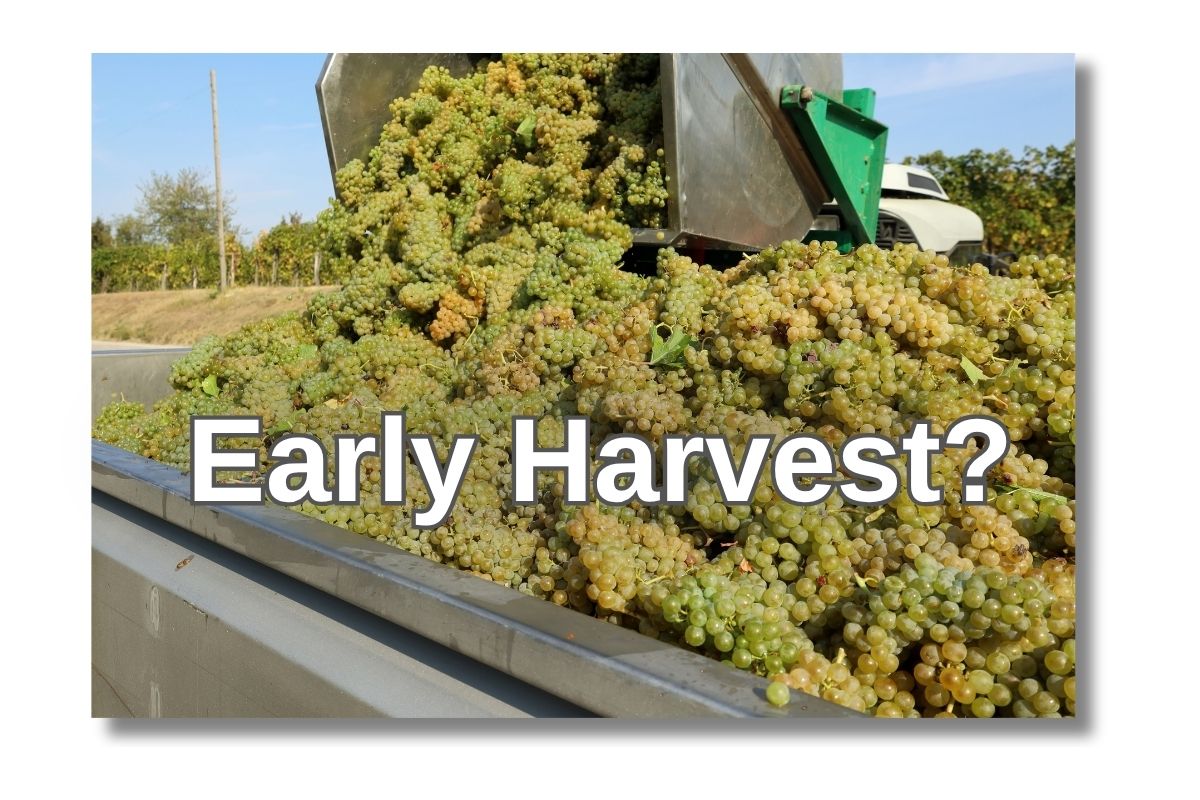
Many California wineries are preparing for an earlier-than-usual harvest this season. While early harvests aren't uncommon, they often require a different winemaking approach. Fruit chemistry can look very different than expected. Sugar may be ready before color and tannin development have fully caught up. Nitrogen levels and acidity may not resemble last year's fruit. And with fruit arriving over a shorter period of time, presses, tanks, and cellar operations can reach capacity much sooner.
The challenge isn't simply harvesting earlier. It's recognizing that the protocols you've relied on in previous vintages may need to be adjusted to match this year's fruit.
In our latest Winemaker's Toolbox, ATPGroup's technical team highlights five areas worth evaluating before harvest reaches full speed, including:
Protecting color before it's lost
Matching fermentation strategies to this year's fruit
Improving clarification and cellar efficiency
Managing acidity and balance
Planning ahead to avoid harvest bottlenecks
Read the Winemaker's Toolbox for practical recommendations that can help you get the most from your harvest:
Every vintage is different. This year's fruit deserves its own game plan. For help identifying the right solutions for your winery, contact your ATPGroup Technical Representative or Enology Products Specialist, call (707) 836-6840, or visit www.ATPGroup.com.
___________________________
ATPGroup was founded as a family business in 1991. Now a leading supplier to the wine, beer, food, and pharmaceutical markets, we strive to provide solutions and create value for our customers in each of the industries we serve. The company offers an unparalleled range of high-quality products and services including winemaking & cellar products, brewery supplies, glassware, cleaning & sanitation solutions, tartaric acid, cream of tartar, and Rochelle salt. Its team is made up of industry veterans, cellar masters, and product specialists who provide technical expertise in their respective fields. With warehouses across the country, the company is strategically located to serve customers throughout the U.S., Canada, and Mexico.
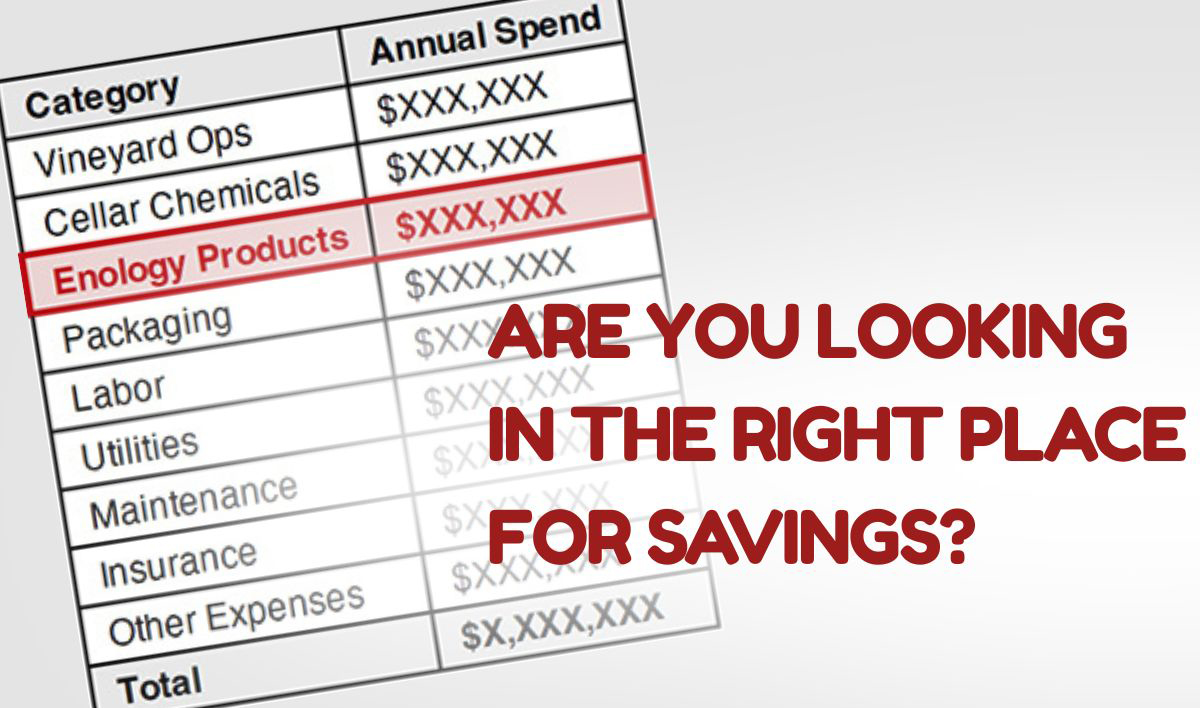
Today’s wineries are facing difficult decisions. Balancing wine quality, operational efficiency, and financial pressure has never been more challenging. That is why cost optimization conversations should go beyond simply negotiating commodity products like cellar chemicals. Sometimes the most meaningful opportunities come from taking a fresh look at long-standing Enology programs, sourcing strategies, and product selection.
At ATPGroup, our goal is not to just sell products. It is to help wineries evaluate opportunities objectively, benchmark costs intelligently, and identify technically sound solutions that support both wine quality and financial sustainability. That process may involve:
· Reviewing existing Enology programs and product selection
· Evaluating technically comparable alternatives
· Identifying alternative sourcing opportunities
· Benchmarking product costs
· Exploring practical efficiencies without compromising performance
In today’s market, cost optimization does not necessarily mean using less. Sometimes it simply means looking at the same category through a different lens.
Real savings might be easier than you think.
Contact your ATPGroup representative or call (707) 836-6840 to start the conversation.
This article is Part 4 of a four-part series exploring a broader approach to winery cost optimization, including evaluating every cost-savings opportunity across winery operations. To read the full series, visit the “Rethinking Cost Optimization” page in the ATPGroup Winemaker’s Toolbox: https://atpgroup.com/2026/05/rethinking-cost-optimization/
____________________________
ATPGroup was founded as a family business in 1991. Now a leading supplier to the wine, beer, food, and pharmaceutical markets, we strive to provide solutions and create value for our customers in each of the industries we serve. We are proud to offer an unparalleled range of high-quality products and services including winemaking & cellar products, brewery supplies, glassware, cleaning & sanitation solutions, tartaric acid, cream of tartar, and Rochelle salt. Our team is made up of industry veterans, cellar masters, and product specialists who provide technical expertise in their respective fields. With warehouses across the country, the company is strategically located to serve customers throughout the U.S., Canada, and Mexico.
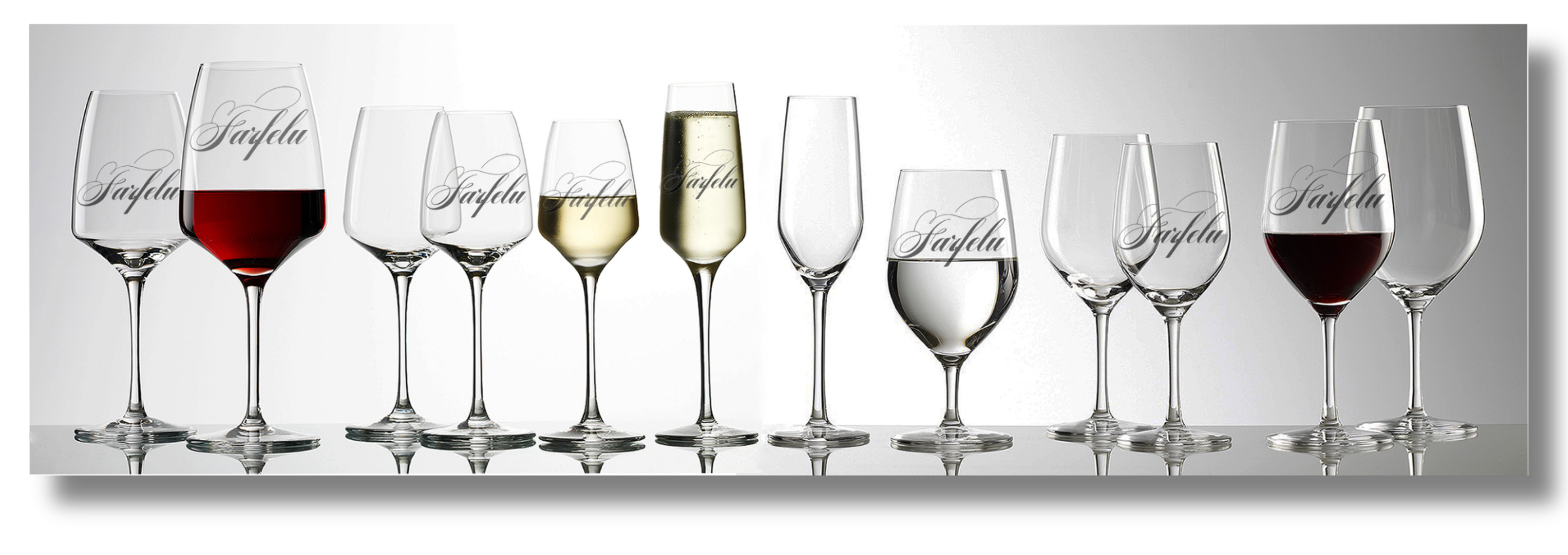
ATPGroup has announced the opening of its new in-house screen-print decoration facility in Paso Robles, California, expanding the company's custom glassware capabilities for wineries throughout North America.
For years, ATPGroup has supplied custom-decorated glassware for wineries, tasting rooms, wine clubs, and special events through a trusted third-party decorator. With screen printing now performed at its Paso Robles facility, the company offers greater production flexibility, faster turnaround times, improved communication from artwork approval through production and delivery, and enhanced quality control at every stage.
In addition to decorating premium glassware supplied by ATPGroup, the new facility also offers screen-printing services for customer-provided glassware, giving wineries greater flexibility when creating branded stemware and promotional drinkware.
The new facility reflects ATPGroup's ongoing commitment to providing wineries and breweries with responsive service, high-quality products, and innovative solutions that help strengthen their brand’s identity and enhance the customer experience.
For more information or to discuss your next project, please contact your ATPGroup representative, e-mail pasodeco@atpgroup.com, or visit our website.
ATPGroup was founded as a family business in 1991. Now a leading supplier to the wine, beer, food, and pharmaceutical markets, we strive to provide solutions and create value for our customers in each of the industries we serve. The company offers an unparalleled range of high-quality products and services including winemaking & cellar products, brewery supplies, glassware, cleaning & sanitation solutions, tartaric acid, cream of tartar, and Rochelle salt. Its team is made up of industry veterans, cellar masters, and product specialists who provide technical expertise in their respective fields. With warehouses across the country, the company is strategically located to serve customers throughout the U.S., Canada, and Mexico.

Many wineries continue using the same Enology products year after year for good reason. The products work, the winemaking team trusts them, and changing inputs can feel risky, especially in difficult markets.
But familiarity and exclusivity are not always the same thing.
Over time, technically equivalent alternatives emerge, sourcing structures evolve, and new cost-saving opportunities become available. In some cases, the same products may be available through “off-label” programs designed to improve cost efficiency while maintaining quality expectations. It is also worth recognizing that many suppliers of specialty Enology products are brand owners and marketers rather than the original manufacturers themselves.
Some wineries aggressively benchmark their Enology programs and sourcing strategies in ways that others may never think to explore. Large wineries, in particular, often evaluate these opportunities strategically. Smaller and mid-sized wineries, however, may not always realize viable options exist or may assume their long-established products are the only path forward.
That does not mean every product should be replaced. Some products are truly unique and highly differentiated. But others may deserve a second look.
In today’s market, reviewing a “standard” Enology program is not about cutting corners. It is about understanding all available options and making informed decisions based on both technical performance and financial reality.
Reach out to your ATPGroup representative or call (707) 836-6840 to discuss objective benchmarking and sourcing evaluation opportunities.
This article is Part 3 of a four-part series exploring a broader approach to winery cost optimization, including evaluating every cost-savings opportunity across winery operations. To read the full series, visit the “Rethinking Cost Optimization” page in the ATPGroup Winemaker’s Toolbox: https://atpgroup.com/2026/05/rethinking-cost-optimization/
____________________________
ATPGroup was founded as a family business in 1991. Now a leading supplier to the wine, beer, food, and pharmaceutical markets, we strive to provide solutions and create value for our customers in each of the industries we serve. The company offers an unparalleled range of high-quality products and services including winemaking & cellar products, brewery supplies, glassware, cleaning & sanitation solutions, tartaric acid, cream of tartar, and Rochelle salt. Its team is made up of industry veterans, cellar masters, and product specialists who provide technical expertise in their respective fields. With warehouses across the country, the company is strategically located to serve customers throughout the U.S., Canada, and Mexico.

Not all cost-saving opportunities create the same financial impact.
Many cellar chemicals are commodity products with relatively low margins, meaning even aggressive negotiations may only reduce costs by a few cents per pound. Specialty Enology products such as yeast, malolactic bacteria, and enzymes operate differently. They are higher-value inputs where even modest optimization can sometimes translate into significantly greater overall savings.
A useful analogy might be a steakhouse dinner. If someone orders a filet mignon with potatoes on the side, there is likely more opportunity to reduce the total bill by reconsidering the entrée than by negotiating the price of the potatoes.
The same principle can apply in the winery.
That does not mean wineries should compromise wine quality or abandon trusted winemaking practices. It simply means that all categories should be evaluated with the same level of financial awareness, especially during difficult market conditions.
Many wineries spend considerable time negotiating products where the maximum possible savings may be measured in pennies, while overlooking categories where equivalent technical performance combined with even modest optimization may result in savings measured in dollars instead.
The biggest savings opportunities may not always be the most obvious ones.
Contact your ATPGroup representative or call (707) 836-6840 to discuss practical opportunities for Enology cost optimization.
This article is Part 2 of a four-part series exploring a broader approach to winery cost optimization, including evaluating every cost-savings opportunity across winery operations. To read the full series, visit the “Rethinking Cost Optimization” page in the ATPGroup Winemaker’s Toolbox: https://atpgroup.com/2026/05/rethinking-cost-optimization/
____________________________
ATPGroup was founded as a family business in 1991. Now a leading supplier to the wine, beer, food, and pharmaceutical markets, we strive to provide solutions and create value for our customers in each of the industries we serve. The company offers an unparalleled range of high-quality products and services including winemaking & cellar products, brewery supplies, glassware, cleaning & sanitation solutions, tartaric acid, cream of tartar, and Rochelle salt. Its team is made up of industry veterans, cellar masters, and product specialists who provide technical expertise in their respective fields. With warehouses across the country, the company is strategically located to serve customers throughout the U.S., Canada, and Mexico.

As wineries continue facing economic pressure, many cost-reduction conversations naturally focus on high-volume operational products like cellar chemicals. These are products purchased in large quantities throughout the year, so they often receive the most attention during budget reviews and supplier negotiations.
But volume does not always equal the greatest savings opportunity.
In many wineries, Enology Specialty Products such as yeast, malolactic bacteria, and enzymes are reviewed far less frequently than other operational costs because the products are trusted, familiar, and closely tied to wine quality. Once a product proves successful, it often becomes part of the standard winemaking program for years without much reevaluation.
That approach is understandable. Winemakers value consistency, reliability, and products they know will perform. But in today’s market, even long-established programs deserve periodic review. Products, sourcing strategies, and pricing structures evolve over time, and technically comparable alternatives may now offer meaningful savings without compromising performance or wine quality.
Cost optimization is not always about using less. Sometimes it simply means taking a fresh look at categories that historically may not have been part of the conversation.
You may be closer to meaningful savings than you think.
Reach out to your ATPGroup representative or call (707) 836-6840 to discuss opportunities for Enology product benchmarking and cost evaluation.
This article is Part 1 of a four-part series exploring a broader approach to winery cost optimization, including evaluating every cost-savings opportunity across winery operations. To read the full series, visit the “Rethinking Cost Optimization” page in the ATPGroup Winemaker’s Toolbox: https://atpgroup.com/2026/05/rethinking-cost-optimization/
____________________________
ATPGroup was founded as a family business in 1991. Now a leading supplier to the wine, beer, food, and pharmaceutical markets, we strive to provide solutions and create value for our customers in each of the industries we serve. The company offers an unparalleled range of high-quality products and services including winemaking & cellar products, brewery supplies, glassware, cleaning & sanitation solutions, tartaric acid, cream of tartar, and Rochelle salt. Its team is made up of industry veterans, cellar masters, and product specialists who provide technical expertise in their respective fields. With warehouses across the country, the company is strategically located to serve customers throughout the U.S., Canada, and Mexico.