

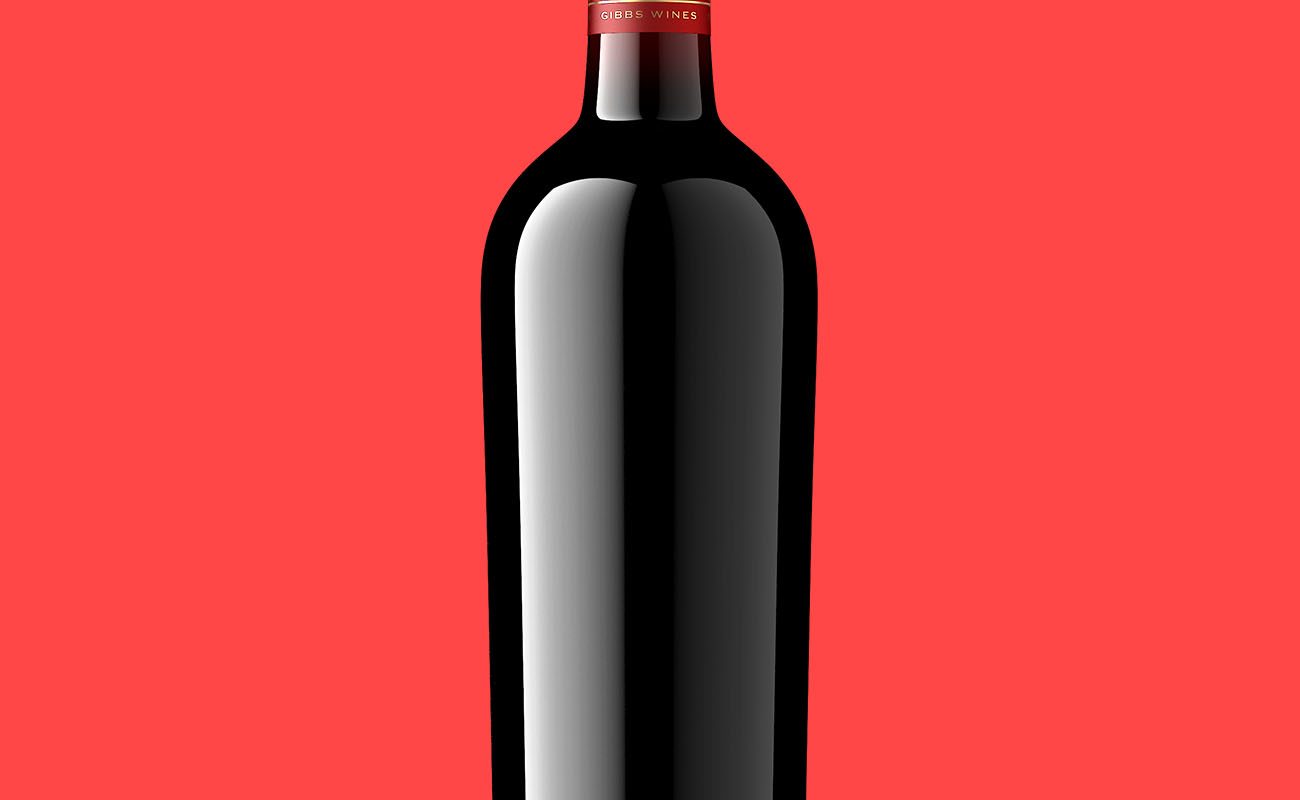
 With a camera, a lineup shot across different days drifts out of sync. One setup keeps reflections and color matched across every SKU.
Glass is one of the hardest surfaces to photograph. Every light in the room shows up on the curve, and most tutorials skip the one piece of gear that actually controls it.
The new guide on the Outshinery blog walks through:
- Why curved glass multiplies reflections (the 60-second physics)
- The four-light setup pros use, and the negative fill most beginners miss
- When polarizing filters help, and when they make the bottle look flat
- Cleaning up label hot spots and color-matching wine across a series
- The honest math on hiring a pro versus shooting in-house
- Why a growing number of beverage brands have stopped using a camera entirely