
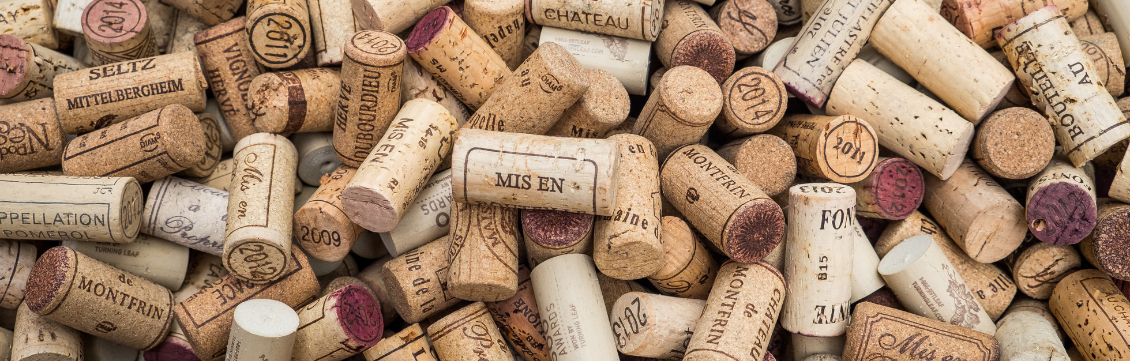
 If you’re planning a 2027 bottling, pull a cork from your last vintage and take a closer look. You can see its length, the grain of the cork, and how well your winery’s name came through in the branding. Two things are harder to see. How was this cork screened for aromas that could carry into the wine? And how did your supplier determine how firmly it should sit in the bottle?
Those are good questions to bring to your next cork order. Here’s how we approach them at Lafitte Cork & Capsule.
What does it mean to screen a cork for TCA?
TCA, or 2,4,6-trichloroanisole, is one of the compounds associated with cork taint. At Lafitte, trained technicians evaluate cork lots for unwanted aromas, and representative samples from each batch undergo laboratory analysis. For wineries ordering natural cork, we also offer PerfectGO. This service analyzes stoppers individually and sorts them according to the level of TCA detected. When comparing quotes, ask whether the price includes individual screening. A batch test tells you about the samples drawn from the lot. Individual screening gives you information about each stopper selected for your order.
What changes when you choose a technical cork?
Look at the end of one of our 1+1 closures and you’ll see a disc of natural cork. There’s another at the opposite end, which is where the name 1+1 comes from. Between them is an individually molded body made from fine cork granules. We treat those granules with our MaxClean system before molding, and the finished stopper presents a natural cork surface to the wine. If you’re reviewing closure options for a still wine, ask to see a 1+1 alongside a one-piece natural cork. Seeing them side by side makes the construction easy to understand.
Why does your cork supplier ask about your bottling line?
The wine and the equipment you’ll use help us determine the cork’s final surface treatment. Before an order ships, we test samples for how well they seal, how much force it takes to pull them, how much liquid they absorb, and how much dust is present. We record those results in an outgoing quality control report. If you’ve changed bottlers since last vintage, or found that a cork took more effort to pull than you’d like, tell us when you reorder. Both details give us something specific to review.
Planning your next bottling? Tell our Napa team what wine you’re bottling, how long you expect it to age, and what you learned from last year’s run. We can walk you through the cork options and prepare a quote for your wine. Get in touch with Lafitte Cork & Capsule