 Winery compliance reports are often treated as an administrative task—something completed in the office after the production work is done. In reality, accurate reporting begins much earlier, with the records created on the cellar floor.
Every time grapes are received, wine is transferred, material is added, inventory is bottled or product leaves the winery, that activity becomes part of the winery’s compliance story. If the supporting records are incomplete, unclear or inconsistent, the problem will eventually surface when it is time to prepare operational reports, calculate excise tax or reconcile inventory.
This is why correcting a report alone does not always solve the underlying issue. A winery may be able to adjust a number on one filing, but that same number could affect several other records and reports. Beginning inventory must agree with the previous reporting period. Production activity must be supported by cellar records. Taxpaid removals must align with excise-tax filings. Bonded inventory should match what the winery can physically account for.
When those pieces do not connect, winery teams can spend hours trying to reconstruct what happened months earlier.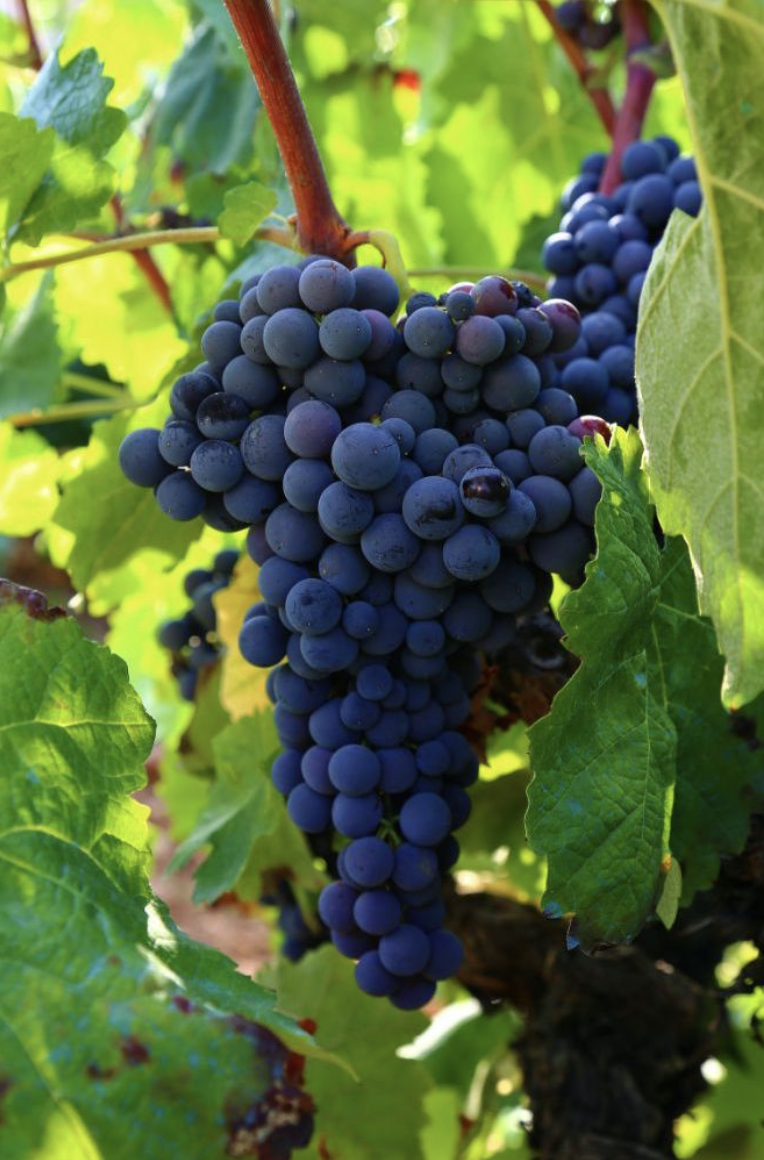
A more reliable compliance process begins with a few practical habits:
- Record production activity consistently and as it occurs.
- Use clear terminology across cellar, accounting and compliance teams.
- Reconcile inventory regularly rather than waiting until year-end.
- Keep supporting documentation organized and accessible.
- Review reports together instead of treating each filing as an isolated task.
Communication is especially important when compliance responsibilities are divided among several people. A winemaker may understand the physical movement of the wine, while a controller manages tax payments and an administrator prepares reports. Each person may be completing their part correctly, but the final filings can still be inaccurate if the information is not being shared.
The goal is not simply to submit a report by the deadline. It is to create a recordkeeping system that accurately reflects what happened inside the winery and supports every number being reported.
Wine Compliance Alliance helps wineries connect day-to-day production activity with the records and filings it creates. Through customized training and ongoing production report management, we help winery teams understand where their numbers come from, how reports relate to one another and how to identify potential gaps before they become larger problems.
Learn more at winecompliancealliance.com.