

What happens when your best customers decide to drink half as much wine — but spend twice as much per bottle?
For decades, the wine industry ran on volume. More cases, more labels, more shelf space. But that playbook is being rewritten. Across every major demographic, consumers are steadily pulling back on how much wine they drink. Though research shows they are spending significantly more on every bottle they choose.
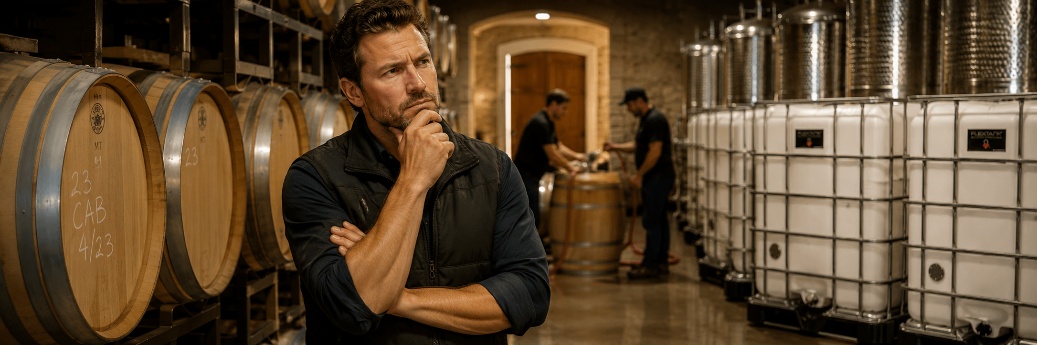
This sweeping shift toward premiumization has completely transformed what the market rewards. Today's wine buyer prioritizes chemical transparency, environmental ethics, authentic flavor, and pristine quality. Mass-produced, heavily manipulated table wine is losing ground fast.
Competing on volume alone is no longer a winning strategy. Today's most profitable growth opportunities come from consumers who drink less wine but spend more on quality. The following four strategies will help wineries capture that market.
1. Shift Production Toward Lower-ABV and Fresh Varietals
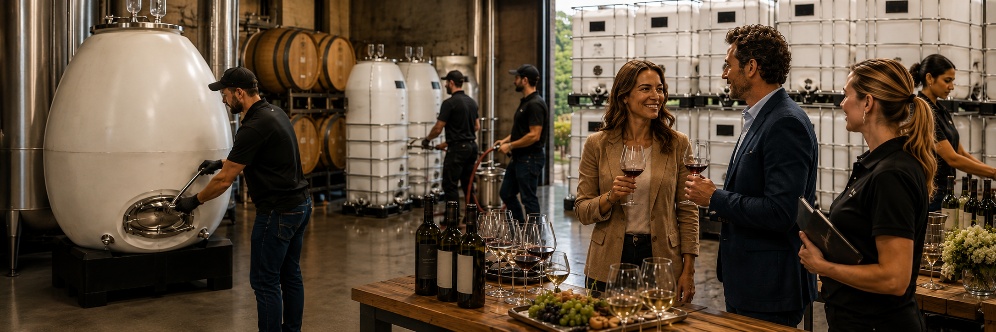
Demand for heavily extracted, high-alcohol reds is softening as consumers increasingly view what they eat and drink through a wellness lens. The modern premium wine drinker now demands wines that taste bright, fresh, approachable and alive.
Wineries that adapt are expanding their portfolios to include naturally lower-ABV options, crisp whites, and aromatic sparkling wines. One of the fastest-growing segments is the "chilled red" lighter-bodied, fruit-forward styles. Crafting these styles demands technical precision: shorter maceration times, temperature-controlled fermentations, and a winemaking philosophy that prizes lively fruit and crisp acidity over heavy wood tannins.
2. Transition to Conscious, Sustainable Agricultural Practices

Premium consumers don't just buy wine — they buy the story behind it. And increasingly, that story needs to include how the land is being treated. Transparency is the new luxury. Wineries willing to pull back the curtain on their vineyard practices are building the kind of brand loyalty that volume-focused producers simply cannot buy.
Environmental ethics are no longer a niche selling point. They are a prerequisite for serious placement on premium retail shelves and top wine bar lists.
Pursuing organic, biodynamic, or certified sustainable certifications signals to buyers that your winery shares their values.
Eliminating synthetic pesticides, reducing your carbon footprint, and showcasing genuine biodiversity in the vineyard are powerful differentiators that resonate deeply with the "drink better" consumer.
3. Implement Single-Serve and Waste-Reducing Formats
Drinking "less" creates a practical problem for consumers: a standard 750ml bottle is often more wine than one or two people want to open on a weeknight. Once uncorked, the clock is ticking. And oxidation doesn't care how premium the liquid is.

Forward-thinking wineries are solving this by putting premium-tier wine into right-sized formats. High-quality half-bottles (375ml) and premium canned singles allow consumers to enjoy a single luxury-tier glass without committing to an entire bottle. Without any sacrifice in quality perception.
For producers, the economics are compelling. Smaller formats often command a higher profit margin per ounce while dramatically reducing consumer waste and hesitation at the point of purchase.
4. Focus on Fruit Expression and Winemaking Precision
Today's premium wine drinker has made one thing clear: they want to taste the vineyard, not the winemaker's toolbox. Varietal character. Terroir. Freshness. Authenticity wins. Manipulation loses.
That verdict forces a hard look at traditional maturation.
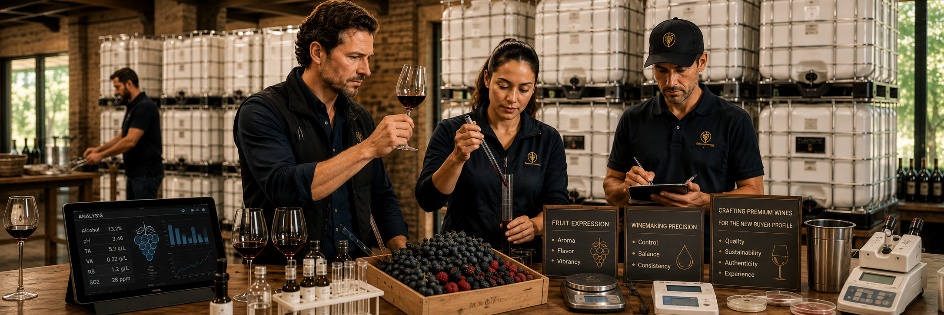
Oak barrels carry real costs including: flavor variability, evaporation loss, sanitation headaches, and significant capital overhead. For wineries chasing precision and consistency, those variables compound quickly.
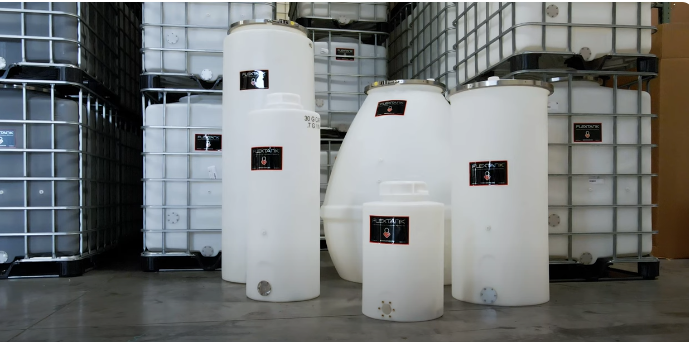
Leading wineries are responding. Many are now complementing or replacing barrel programs with Flextank oxygen-permeable vessels. Flextank mimics the exact oxygen transmission rate of a second-year oak barrel, and delivers micro-oxygenation benefits while remaining completely flavor neutral. Winemakers control oxygen exposure on their terms. Oak influence only enters when the wine calls for it. Precision. Consistency. Fruit expression. Profitability. Flextank delivers all four.
The Bottom Line
The "drink less, but better" movement isn't a trend. It's the new reality of the wine market.
Today's premium buyers consume less wine, but they demand more from every bottle. Consumers want quality, authenticity, sustainability, and a clear connection to how their wine is made. Wineries that adapt to these expectations will capture market share. Those that don't will struggle to remain relevant.
The path forward is clear: develop fresher, more expressive wines, embrace sustainable production practices, offer packaging formats that match modern lifestyles, and use precision winemaking tools that improve quality while controlling costs.
Flextank helps wineries make that transition. By combining production efficiency with winemaking precision, wineries can reduce overhead, strengthen sustainability efforts, and consistently produce the premium wines today's consumers are willing to pay for.
Flextank Is Ready to Help You Grow
Looking to improve production efficiency and revenue?
Let’s talk. We’re ready to help you scale with ease.
Call: +1-360-450-2694
Email: flexsales@flextank.com
Visit: www.Flextank.com
Or simply fill out the form HERE for Free Consulting.
And create those beverages faster, with more efficient production.