

When it comes to the environmental impact of vessels made from polyethylene, there can be a lot of confusion. It's understandable that for some, when they hear negative news stories of single-use plastic products, it can lead to an unfair connection to all plastic-made products. But polyethylene tanks have some very notable benefits when it comes to the environment.
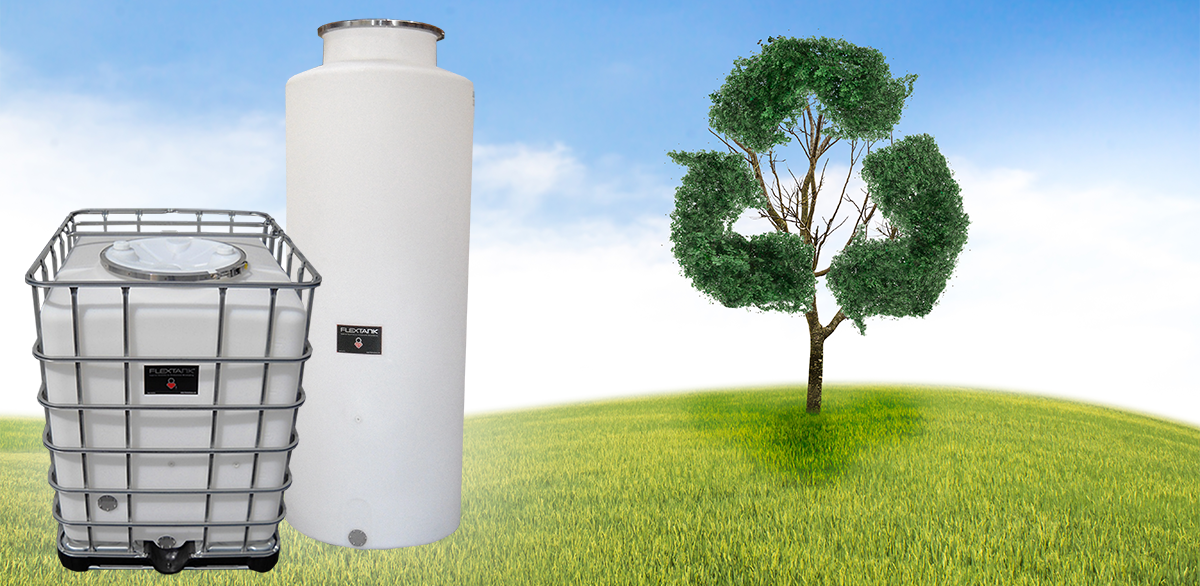
Take a look at some of the environmental considerations below to see if any might surprise you!
1) Flextank Tree Consumption vs Barrels
Flextank: Flextanks do not require the use or destruction of any living components to build the vessel. The use of oak staves is very minimal with 1 oak tree providing 100+ staves. For an average winery that house Flextanks at the 200 barrel capacity, less than 1 oak tree could need to be used for maturation.
Oak Barrels: On average it takes (1) 200+ year old oak tree to make 2 French oak barrels. So for an average 200-barrel winery that means the cutting down of 100 aged oak trees.
2) Product Longevity
Oak barrels need to be replaced every 2-5 years, while Flextanks are built to last 20+ years.
3) Water Consumption Savings
Flextanks are built to be easily sanitized and use far less water than oak barrels.
4) Re-Use Applications
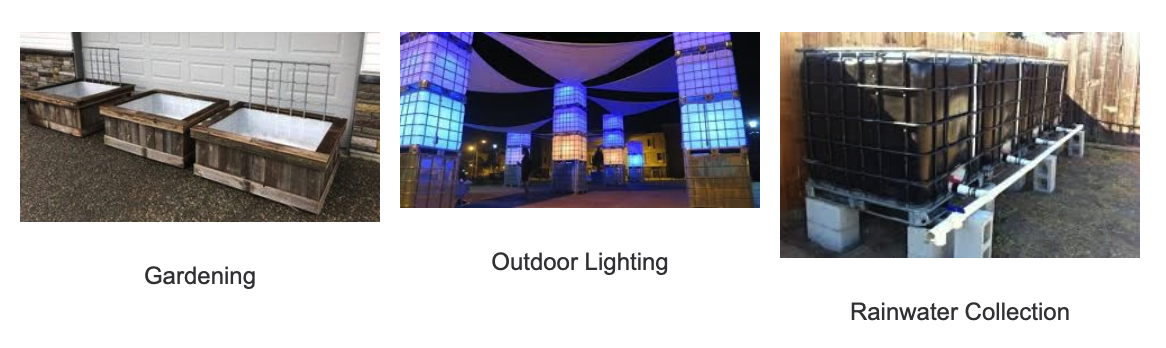
For those who wish to repurpose their Flextanks after they've served their beverage making purposes, decades later these vessels can be used for multiple other applications such as gardening, rain water collection, septic uses, pond and irrigation, feeders, spray systems, compost, syrup & sap collection, and outdoor lighting just to name a few!
5) Recycling
In line with our aim of sustainable production, all of our polyethylene vessels and metal accessories are also fully recyclable.