
 For a new wine brand, deciding where and how the wine will be produced is one of the first major operational choices. Two commonly discussed options are working as a custom-crush client or becoming an Alternating Proprietor, often referred to as an AP.Although both arrangements allow a brand to produce wine at another winery’s facility, they do not carry the same compliance responsibilities.
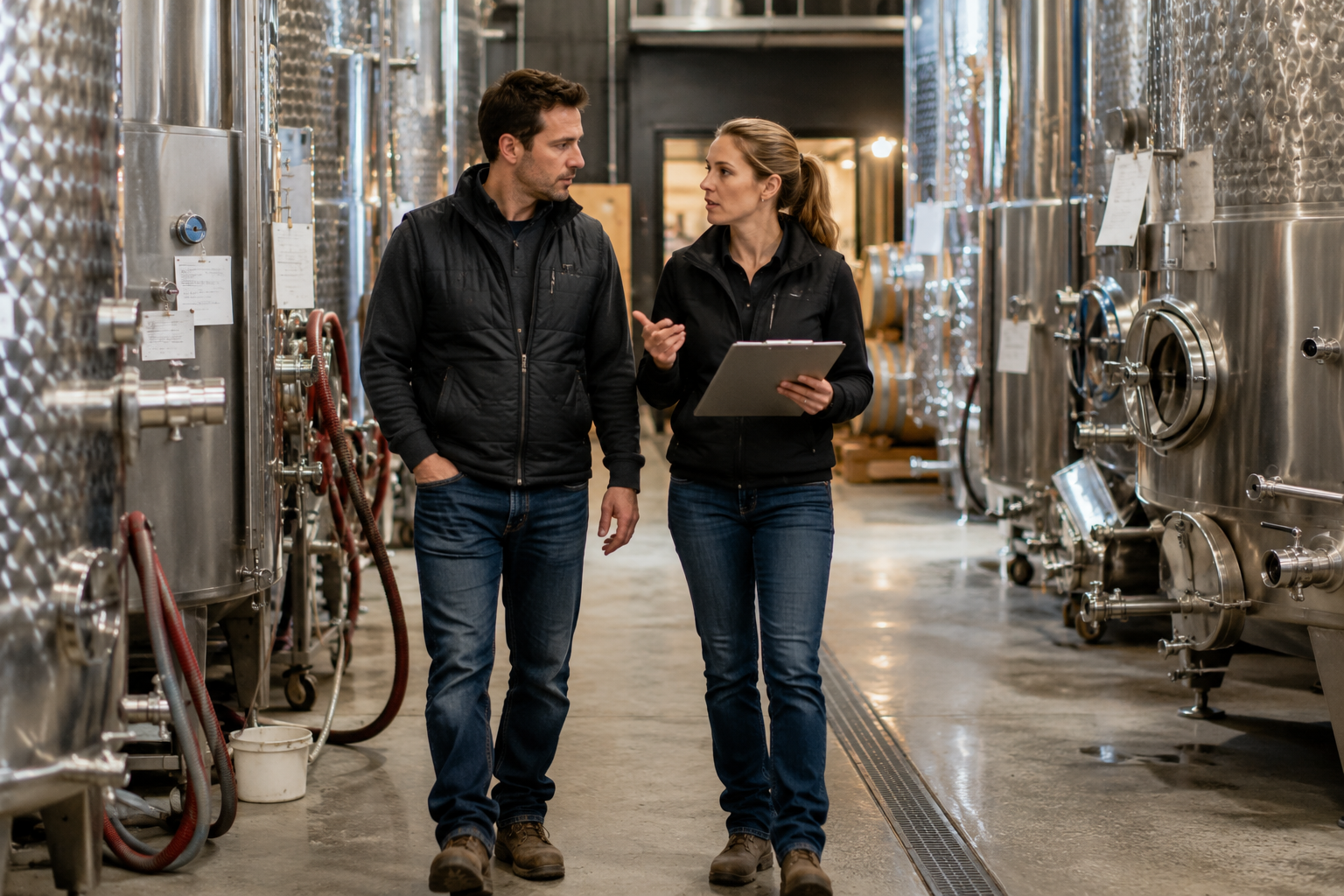 In a traditional custom-crush arrangement, the host winery generally produces the wine on behalf of the client. The wine remains within the host winery’s bonded premises and is recorded on the host’s winery reports. The client owns the brand and finished product, but the host winery is typically responsible for the federal production records associated with making the wine.
An Alternating Proprietor operates differently. An AP is separately permitted as a winery and temporarily shares space and equipment within a host facility. While using the same physical location, the AP operates under its own federal permit and is responsible for maintaining its own winery records, filing its own operational reports and meeting the compliance requirements that apply to its business.
Becoming an AP can provide greater independence and control, but it also comes with responsibilities that new brand owners do not always anticipate.
Before selecting a structure, consider questions such as:
Who will hold title to the wine while it is being produced?
Who will maintain the production and inventory records?
Who will file the required winery reports?
Who will calculate and pay federal excise tax?
Which business will appear as the producer or bottler on the label?
Does the brand have the staff or outside support needed to manage ongoing compliance?
The right answer depends on the brand’s goals, production plan, staffing and desired level of control. Neither structure is automatically better. The important thing is understanding the operational and compliance differences before permits are filed, contracts are signed or production begins.
A business structure that works during the first vintage may also need to change as the brand grows. Increased production, new investors, additional locations or a desire for greater independence can all affect the decision.
Wine Compliance Alliance works with new and established wine businesses to navigate winery permitting, Alternating Proprietor applications and ongoing production compliance. We also provide customized training to help winery owners understand the responsibilities associated with the structure they choose.
Learn more at winecompliancealliance.com.