
Private label wine demand is growing nationwide.
Private label wine is becoming one of the most important growth opportunities for wineries. Buyers want wines built for their customers, programs, and margins. They’re looking for winery partners who can deliver quality wines at the right price and move fast when demand changes.
Retailers want wines that stand out on the shelf.
Hospitality groups want better house wine programs.
Grocery and club store buyers want quality, consistency, and value.
A modern, flexible cellar strategy helps wineries capture that opportunity.
Private label growth can help wineries create new revenue, strengthen buyer relationships, and use cellar capacity more efficiently. But the opportunity comes with new production demands: Buyers may want different wine styles, smaller runs, and faster timelines.
Successful wineries will compete with more than available tank space. They will use modern, flexible production strategies to protect quality, control costs, and deliver the wine profiles private label buyers want. Here are four ways wineries can build a stronger private label program.
Start With the Right Private Label Partner
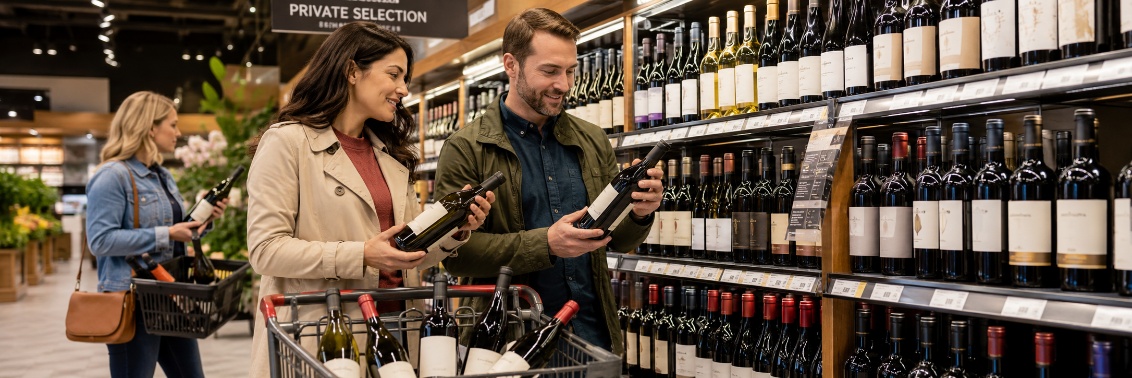
The strongest private label programs start before the first vessel is filled. Wineries should choose partners carefully before they commit cellar space, labor, fruit, and production time.
A grocery chain, restaurant group, resort, wine club, corporate brand, or specialty retailer may each want something different. Price point, flavor profile, varietal, packaging, timeline, quality standards, and reorder potential all matter.
The right partner helps a winery build revenue, protect production focus, and create a private label program that can grow over time. Before taking on a program, wineries should ask a practical question:
Will this opportunity create profitable, repeatable growth?
Build Flexibility Into Production Planning
Flexible production planning can be one of your biggest competitive advantages. Private label programs can change the normal rhythm of winery production:
One partner may need a smaller run.
Another may want a different style.
A retailer may ask for more volume after a label performs well.
A hospitality group may need wine ready for a specific launch date.
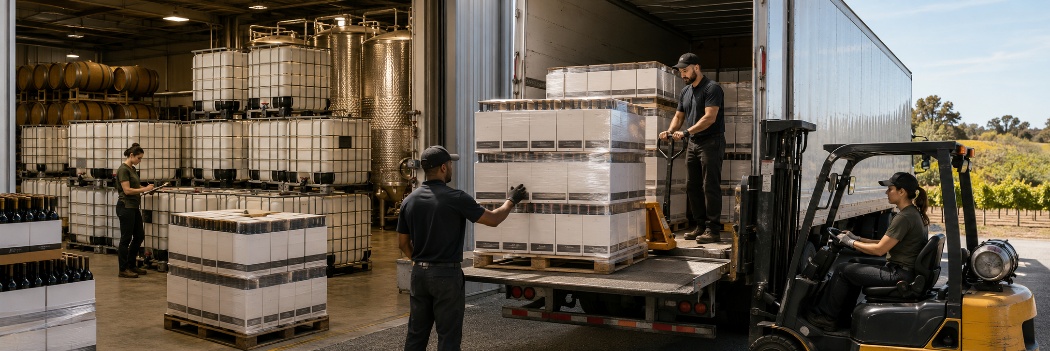
Before expanding private label production, review your cellar space, vessel availability, labor capacity, bottling windows, and storage plan. The goal is to produce the right wine for the right partner at the right time, without disrupting core winery operations.
Create Wines That Match Specific Market Needs

Private label buyers want more than a different label. They want wines built for a specific customer, occasion, price point, and brand promise. Private label is not just relabeling. The strongest programs start with the buyer’s market need and still reflect winery-level quality.
Private label programs let wineries apply their winemaking expertise with more precision. Build the wine around the target customer, sales channel, and occasion.
Retail buyers may want a fresh white with strong shelf appeal.
Restaurant groups may want a versatile red that works by the glass.
Resorts may want seasonal releases tied to the guest experience.
Wine clubs may want something exclusive that feels different from the core portfolio.
Each program may call for a different balance of flavor, freshness, oak influence, aroma, texture, and consistency. The label may belong to the buyer, but the quality still reflects the cellar.
Add Flexibility to Your Vessel Strategy
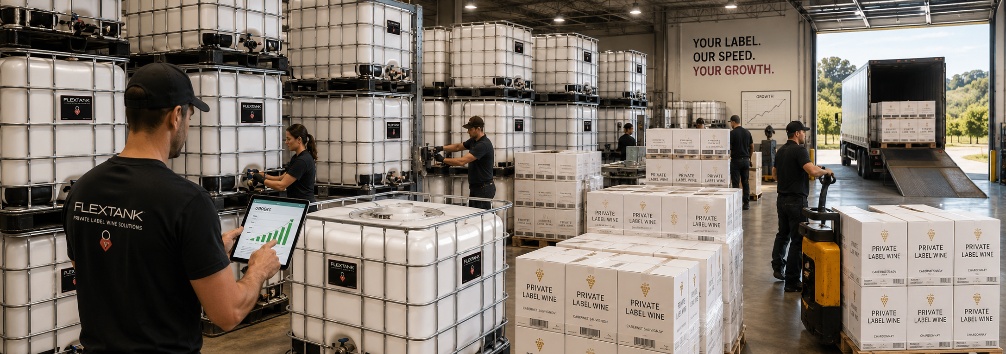
Private label growth can fill cellar space fast. One buyer may want a smaller run. Another may want a different style. A successful private label program may need more volume sooner than expected. Prepare your cellar in advance so you can use space efficiently and grow with private label demand.
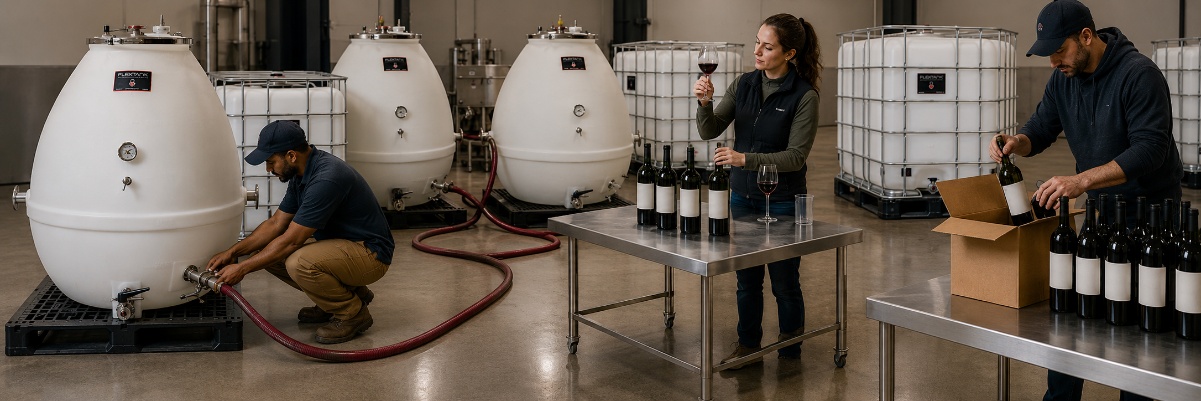
Flextank O₂-permeable vessels help modern wineries add flexible capacity for fermentation, maturation, storage, and blending. Winemakers can create specific wine profiles, preserve fresh fruit character, and produce limited runs.
Flextank vessels help wineries:
Increase usable cellar capacity.
Support faster production planning.
Lower water and cleaning demands.
Control oak influence with alternatives such as FlexStaves.
Adapt vessel use as programs change.
Final Thoughts: Turn Private Label Growth Into Winery Growth
Private label wine demand gives wineries a practical path to new revenue in a changing market. Buyers want wines that feel specific, differentiated, and built for their audience.
Wineries that can respond quickly with quality, consistency, and flexibility will be in a better position to capture that demand. It begins by selecting the right partners for your winery. Build in flexible production planning. Create wines around specific market needs. Choose modern vessel strategies that make better use of cellar space, protect quality, and adapt as programs grow.
Flextank O₂-permeable vessels help modern wineries add flexible capacity for fermentation, maturation, storage, and blending. For wineries building private label programs, Flextank vessels can help turn demand into profitable, repeatable growth.
Flextank Is Ready to Help You Grow
 Looking to improve production efficiency and revenue?
Let’s talk. We’re ready to help you grow with ease.
Call: +1-360-450-2694
Email: flexsales@flextank.com
Visit: www.Flextank.com
Or simply fill out the form HERE for Free Consulting.
And create those beverages faster, with more efficient production.