We’ve worked across custom bottle projects for wine and spirits long enough to see where they break. Most brands assume failure happens at retail. In practice, it’s set much earlier, during design, tooling, and production planning.
A concept gets approved on visual appeal. It signals quality, ambition, and brand intent. Then the friction starts. Sampling reveals inconsistencies. The bottle doesn’t behave on a filling line. Freight costs climb. By the time these issues surface, timelines have shifted and margins are under pressure. Custom glass is not a surface-level design exercise. It is an engineered outcome. The brands that succeed treat it that way from the beginning, aligning design ambition with production reality.
At Global Package, we support that process end to end. From initial sketch through to final delivery, we work across quoting, design, mould development, manufacturing, quality control, decoration, and supply. That continuity is what prevents early-stage decisions from becoming late-stage problems.
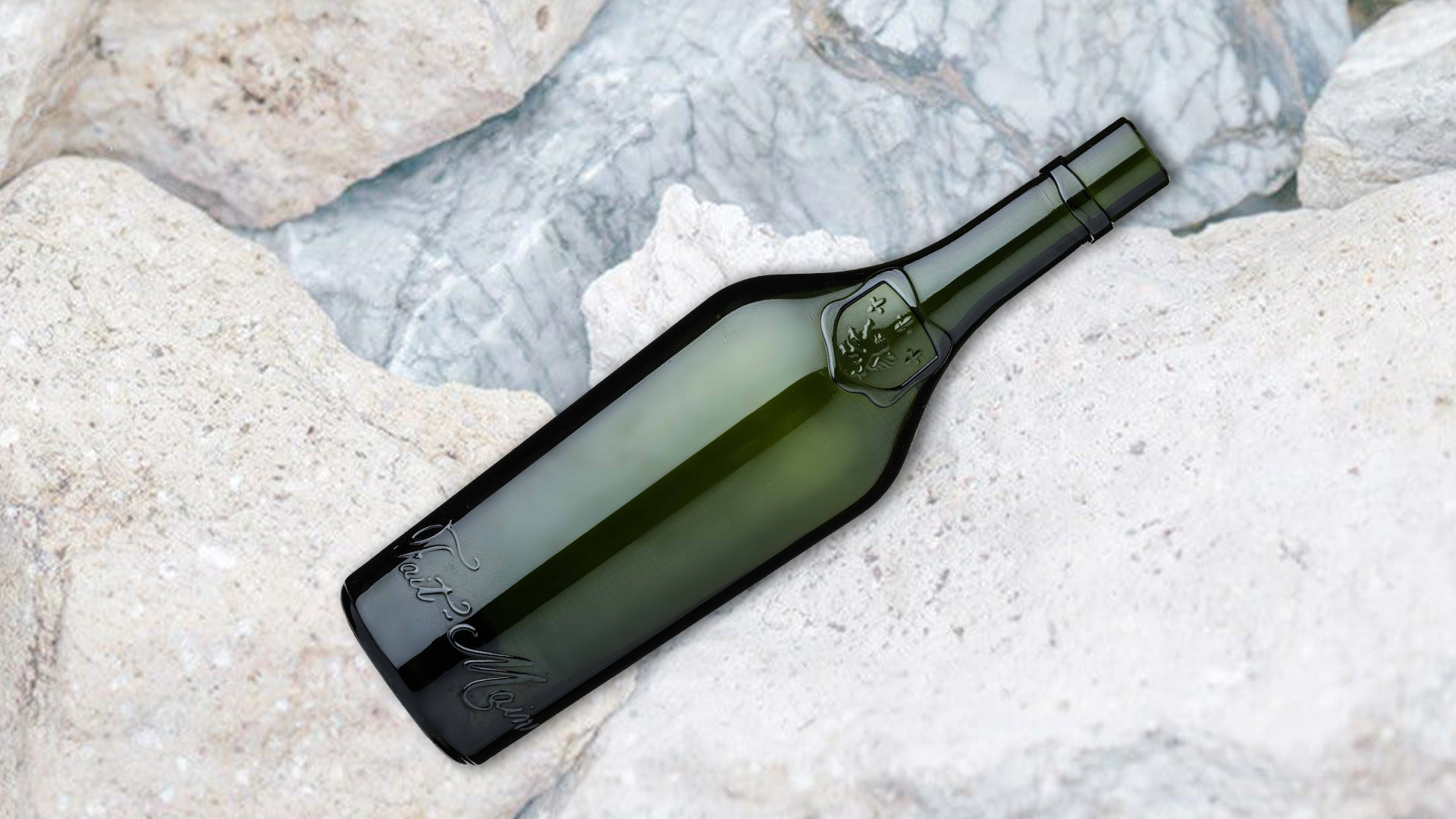
Custom Wine Bottles Custom Spirit Bottles
Mold Tolerance
Tolerance in glass manufacturing is exacting. Small deviations in mold machining affect how glass distributes during forming. That influences wall thickness, weight balance, and the precision of the neck finish.
These factors are interdependent. A slight shift in the neck finish can affect closure performance. Variations in wall thickness can lead to structural weakness or visual inconsistency. What looks acceptable on a drawing can fail under production conditions.
The consequence is reduced yield, rework, and delayed timelines while tooling is corrected. We mitigate this by validating mould feasibility early, running structured sampling, and refining designs before full production. It ensures the bottle performs as intended, not just visually, but mechanically.
Cooling Distortion
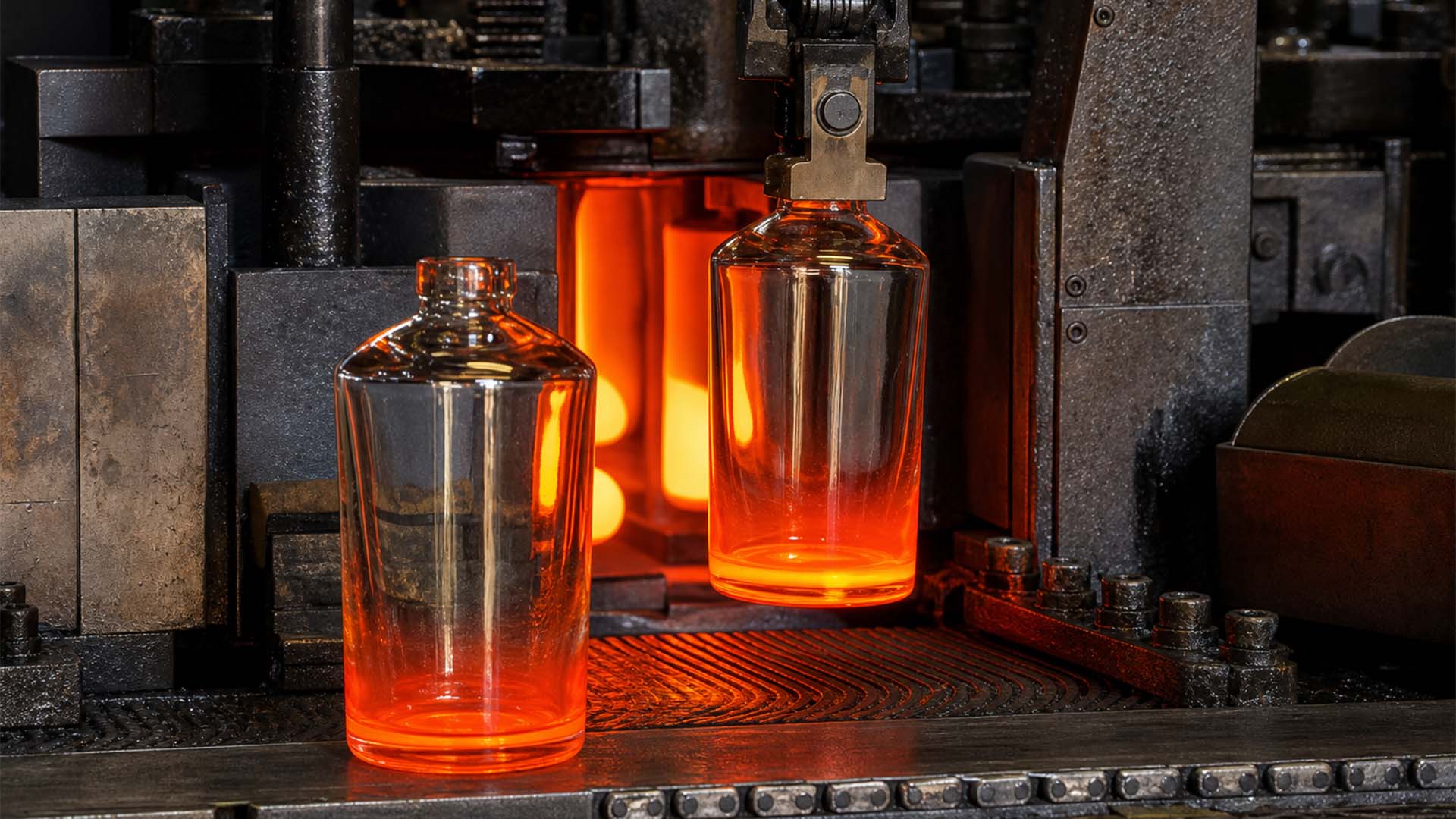
Glass continues to move as it cools. Designs with asymmetry, sharp transitions, or uneven wall sections are more prone to stress during this phase.
That stress shows up as warping, dimensional variation, or inconsistency between batches. Over volume, those small shifts become significant. Bottles fall outside specification, fail quality checks, or create instability on automated lines.
This is where design intent needs to be grounded in material behavior. We assess how a bottle will cool as part of the design process, not after it. Balanced geometry, or controlled complexity where required, reduces risk and keeps production consistent.
Line Compatibility
A custom bottle must work within real production environments. Filling lines, labelling machines, and conveyors all operate within defined tolerances.
When a design falls outside those parameters, performance drops. Bottles may tip, jam, or require manual handling. Labelling becomes inconsistent. Throughput slows. At that point, brands are forced into compromise. Modify the line, accept inefficiency, or revisit the design. Each option carries cost and delay.
We avoid this by aligning designs with line requirements upfront. That includes validating base dimensions, stability, and label application surfaces against actual equipment. It ensures the bottle moves through production as efficiently as it looks on shelf.
MOQ Planning
Minimum order quantities are driven by how glass is produced, not by how brands prefer to order. Production lines are optimized for volume. Short runs increase unit cost and disrupt scheduling. If demand forecasts do not align with these constraints, brands either overcommit to inventory or accept reduced margin.
Both outcomes limit flexibility. Excess stock ties up capital. Higher unit costs erode profitability. In some cases, design decisions are scaled back to meet MOQ realities.
Our role is to align design ambition with production scale early. That includes advising on feasible volumes, cost structures, and supply planning so the commercial model holds as the project moves forward.
Freight Efficiency
Bottle design has a direct impact on logistics. Shapes that look distinctive can be inefficient to pack, reducing pallet density and increasing freight cost per unit.
Excess headspace, irregular forms, and poor weight distribution all contribute. The result is higher shipping costs and increased risk of breakage in transit. This is not a one-off cost. It applies to every shipment. Over time, it has a measurable impact on margin.
We factor freight into the design process, assessing how bottles will pack, stack, and move. Efficient geometry and considered packaging configurations improve density and reduce ongoing cost without compromising brand presentation.
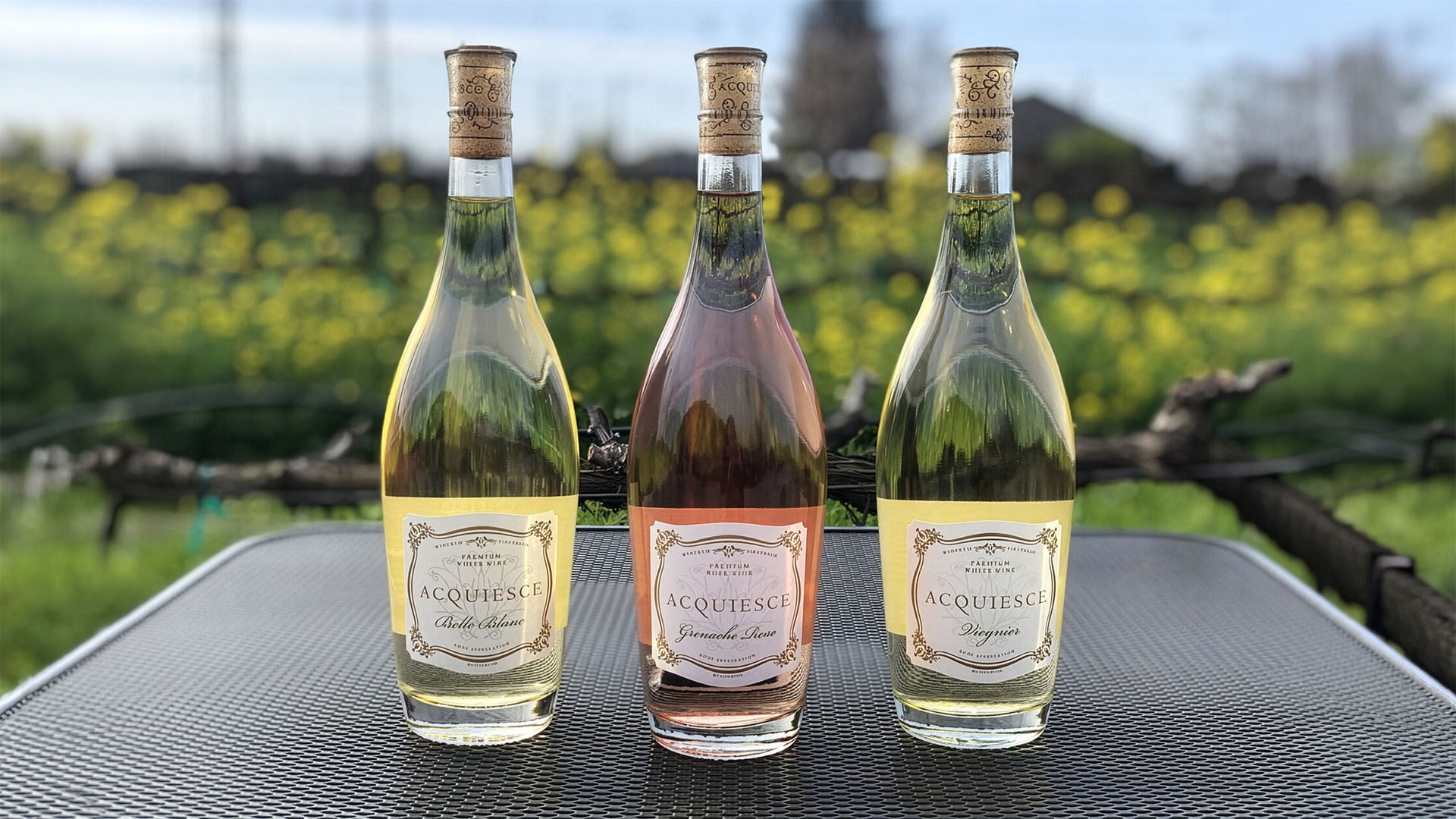
Form and Function
A bespoke bottle is a powerful brand signal. It communicates quality and intent before the product is even opened. That value depends on usability.
Grip, balance, and pourability all influence how the bottle performs in real settings. A design that is difficult to handle or control creates friction, particularly in hospitality environments. Label space is another constraint. Regulatory requirements and brand storytelling both need room to work. These elements need to function together. A bottle can carry embossing, silk-screening, medallions, or unique finishes, but it still needs to be practical to use, label, and display.
We approach this as part of a broader customization strategy. From custom molds and embossing through to decoration and finishing, every detail is considered in the context of how the bottle will perform from production line to end user.
The Common Thread
Most failures come down to separation. Design is treated as one phase, production as another. That gap introduces risk.
Projects that succeed integrate both from the start. Design decisions are informed by mold feasibility, line compatibility, and logistics. Sampling and validation are built into the timeline. The result is a bottle that delivers on brand ambition and operational performance.
Custom Wine Bottles Custom Spirit Bottles
Before You Start Your Next Project
Global Package supplies high-end glass bottles to the wine and spirits markets across North America. We source from Europe, Asia, and domestic partners, giving brands access to an established portfolio alongside fully customized solutions. Our team manages the full process, from concept and mold development through to manufacturing, decoration, quality control, and delivery, ensuring each project is executed with precision and consistency.
With established relationships across innovative suppliers, designers, and production partners, we support projects of all scales, from small runs to large-volume programs. Our network of local warehouses also enables efficient supply and timely dispatch, helping brands stay on schedule without compromising on presentation.
If you are planning a custom bottle or reviewing an existing concept, we recommend engaging early. Our team can assess your design for production readiness, identify potential risks, and guide the process to ensure your product reaches the market as intended.
Please contact our team with any queries about our products or services. Fill out our contact form, email us at sales@globalpackage.net, or call +1 707 224-5670.