
Filter Post Type
NewsVideoProductEventLink
Sort:
Most Recent
1–10 of 93
October 20, 2026

In the competitive landscape of the wine and spirits market, branding and label quality play a crucial role in attracting consumers and differentiating products. AWT Labels & Packaging emerges as a game-changer in this industry, offering unparalleled advantages through its innovative solutions tailored for the wine and spirits sector. Customized Labeling Solutions With AWT Labels & Packaging, wineries and distilleries can elevate their branding with custom-designed labels that capture the essence of their products. From intricate designs and embellishments to high-quality materials, AWT ensures that each label reflects the unique identity of the wine or spirit, enhancing shelf appeal and brand recognition. With the addition of RFID or NFC, brands can take advantage of advanced inventory management and supply chain traceability, as well as an enhanced user experience and product interaction by supporting product authentication and marketing promotions. Compliance and Safety Adhe
00

The global shift toward sustainability is palpable across nearly every sector. Within the wine and spirits industries, this movement has gained remarkable traction, driven by consumers’ increasing demand for environmentally responsible products. 2026 brings about more pressure for industry to put sustainability at the center of all operations, but also provides opportunities for businesses to flourish by staying ahead of the trends in innovative and sustainable advancements. Here are four sustainability trends to keep an eye on in 2026: Regenerative practices for wine and spirits Recent years have seen a boom in conscious agricultural practices through the philosophy that all aspects of agriculture are connected. This philosophy emphasizes the careful utilization of land management to restore and regenerate the ecosystems and land we use, leaving it in better health for future generations. Regenerative principles are a push back against traditional industrial agriculture practi
00
Vineyards advanced; grape and bulk markets stalled The topsy-turvy start to the growing season in California continued through April into early May, with the first quarter’s unseasonably high temperatures giving way to some cooler than normal conditions and heavy rainfall in some areas. A lack of winter lows conducive to dormancy, followed by the changeable spring conditions as budburst, shoot growth and flowering moved underway, has led to highly variable vine development – sometimes on the same row or even the same vine, let alone between vineyards or areas. This month’s report relays the latest observations on vineyard health, development and timing, and seeks to better define what is likely to be as important a factor in the 2026 harvest’s final size – farming minimally: What is the difference between mothballing a vineyard and resting it? If growers with uncontracted vines needed further incentive to ease up on farming this year, the Iran war has provided it: Fuel surcharges and,
00


Afternoon Brief: California Wine Industry Faces Turning Point
For California agriculture, the conversation highlights a broader reality—industries must evolve alongside consumers. The wine sector’s ability to innovate, market effectively, and adapt to new trends will determine its success in the years ahead...
00
Green shoots: Is this a “transitional moment”? With spring getting underway, this month’s California Report assesses vineyard conditions, grape demand, and whether the bulk wine and grape markets are seeing the first tentative green shoots of recovery: Is the industry in a “transitional moment” before growth returns later this year or next? We dive into recent reports that case-good sales declines in the US are slowing, using the latest SipSource US wholesale depletions data to pick out some sales trends. The convergence of pricing toward California-appellation levels on all but a select handful of wines theoretically enables bulk wine buyers to make their decisions based purely on which samples best meet their quality/character specifications. This has opened up product development and scope for wine companies to attack potential retail opportunities. With wine aisles growing shorter, this is a challenging time to “buy the dip” with inn
00

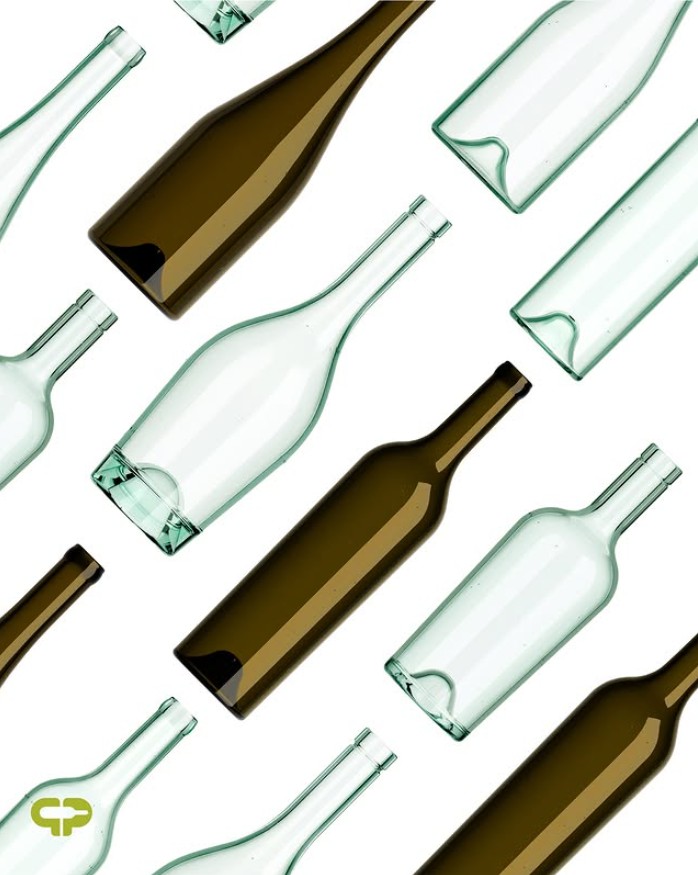
For winemakers and distillers, crafting exceptional beverages is only part of the journey. To ensure your product maintains its premium quality and reaches consumers in perfect condition, the preservation of both its taste and appearance is critical. This is where the often-overlooked factor of glass color comes into play. The color of your bottle can have a profound impact on the longevity, flavor stability, and overall appeal of your wine or spirit. By understanding how different glass colors protect against light damage, you can make more informed packaging choices that safeguard your product’s quality and enhance its shelf life. In this article, we’ll explore the science behind glass color and light exposure, explain how traditional and modern glass choices can protect your product, and provide insights into balancing practical preservation needs with aesthetic considerations. Whether you’re crafting aged whiskey or fine wine, the right glass color is more
00

Growth & Collaboration FFW takes a collaborative, partnership-driven approach with our winery partners. In 2025, we participated in more than 20 industry events, helping educate teams, support sales efforts, and drive results through strong, cross-functional alignment. As an extension of the winery team, FFW plays a critical role in both execution and education. Five partners who actively leveraged FFW as a strategic resource achieved the strong growth, collectively shipping an additional 12,800 kegs in 2025. This momentum reflects broader category strength. in the second half of 2025, FFW saw a 12% increase in wine on tap volume compared to the same period in 2024, driven by continued alignment and collaboration across the industry. We welcome the opportunity to further support your keg program. Let us know how we can help or if there are initiatives you’d like to explore together. Contact Us 2026 State of the Market is Here Review the 2025 wine on tap highlights and learn
00
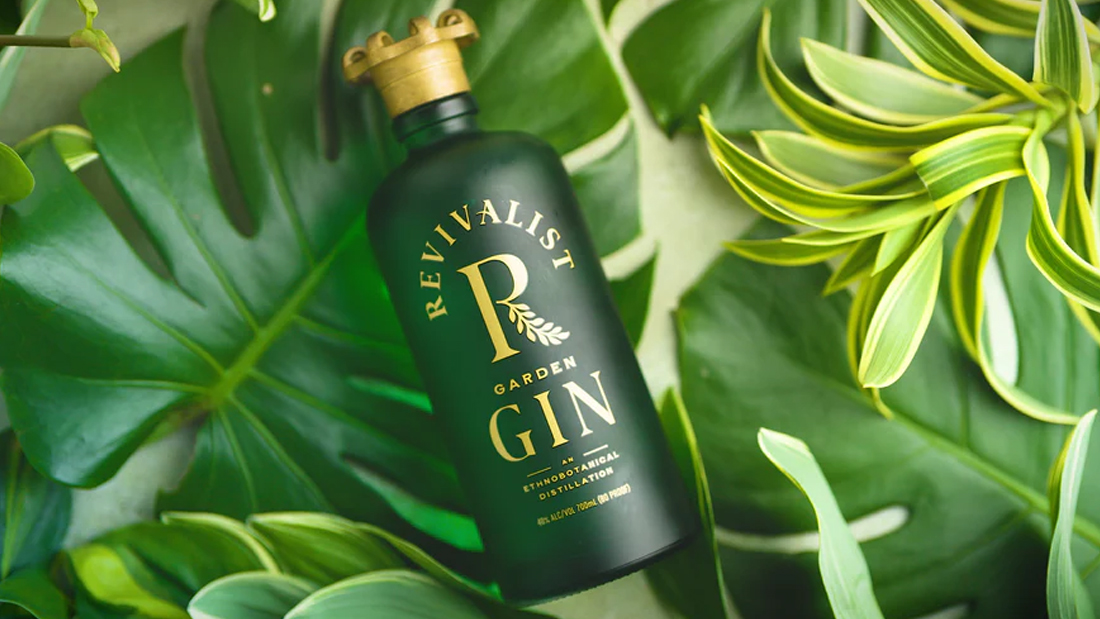
The wine and spirits industry is standing on the precipice of a major design evolution. For years, “premium” was defined by weight, excess, and tradition. For 2026, a new definition of luxury is emerging; one that values intelligence over mass, and tactile storytelling over simple visual appeal. For brand owners and procurement leaders, staying ahead of these glass packaging trends in 2026 is no longer just about aesthetics; it is a matter of strategic survival. From the rise of “quiet luxury” and right-weighted glass to the complex pressures of global supply chains, the packaging decisions made today will define brand resilience tomorrow. In this forecast, we explore how sustainable luxury, ergonomic innovation, and smart supply chain strategies are reshaping the premium landscape, and how Global Package provides the specialized glass solutions needed to help you navigate this future. The State of Glass Packaging for Wine & Spirits At Global Package, we&r
00

February 10, 2026

After 30 years of moving up and to the right, the American wine industry hit a wall. Not a temporary slowdown or a soft patch. A structural shift that requires a fundamentally different marketing playbook. 2025 was the reality check. 2026 is the year wineries either adapt or watch their customer base age out beneath them. The data is now unambiguous: wine sales dropped approximately 6% in 2024, marking the steepest decline in decades according to SipSource industry data. More troubling than the headline number is what's driving it. This isn't a recession blip or a bad vintage. It's a fundamental realignment of who drinks wine, how they buy it, and what they expect from the brands they choose. Here are the five trends reshaping the US wine market and what they mean for your brand's survival. The Demographic Disruption The wine industry built its growth on one generation: Baby Boomers. That generation is now aging out. The Wine Market Council's 2025 U.S. Consumer Ben
00
The 2026 State of the Industry session at Unified was cautiously optimistic but did delivered a clear message: the wine industry is not in a temporary downturn, it is undergoing a structural reset. We are deep into this adjustment but there is still work to be done. Declining consumption, excess supply, margin pressure, and changing consumer behavior are no longer emerging risks; they are now realities. They are now the operating reality. What made this year different was the alignment between market data, producer behavior, and financial results. The conclusions echoed the themes in the most recent SVB State of the Wine Industry Report: slower demand, elevated inventories, capital constraints, and the need for sharper business discipline. A Global Market Under Pressure As Mike Veseth, The Wine Economist, noted, wine is now a global commodity. Approximately 45% of all wine crosses at least one international border. While global trade continues to grow, overall consumption is
00