
Filter Post Type
NewsVideoProductEventLink
Sort:
Most Recent
1–10 of 55
October 5, 2026
CHICO, Calif. — Sierra Nevada Brewing Co.’s CanDo co-packing platform is expanding its canning and beverage manufacturing capabilities for wineries, wine brands, and producers developing wine-based beverages. CanDo currently works with and has manufacturing experience supporting some of the nation’s largest wine producers, bringing Sierra Nevada’s decades of large-scale beverage manufacturing expertise to an increasingly diverse range of wine products and package formats. Strategically located in Chico, California, between major wine-producing regions in California, Oregon, and Washington, CanDo offers West Coast wine producers access to a large-scale manufacturing platform with the infrastructure to support both traditional canned wine and more complex wine-based products. From straightforward canned wine to wine-based cocktails, spritzes, and ready-to-drink products, CanDo can support programs that extend well beyond simply filling finished wine into a can. Capabilities include: High
00

Four practical ways California wineries can modernize cellar practices, reduce water use, and build more efficient operations. Water prices are soaring. California has less water to share: Farms, cities, businesses, and residents all depend on the same limited supply. Municipal water systems also need major investment to protect that supply and replace aging infrastructure. Those costs are reaching wineries through higher rates, fees, and wastewater expenses. Water is no longer a fixed utility expense. It’s a production cost that wineries must actively manage. The cost goes beyond each gallon: pumping, heating, chemicals, labor, treatment, and disposal all add expense. Wineries can use the water they have more efficiently: it starts with measuring where water goes, improving cleaning processes, reconsidering water-intensive equipment, and finding practical ways to recover and reuse appropriate water streams. These four strategies can help wineries reduce water use, lower related expe
00

August 31, 2026

Flying A Vineyard Cabernet Comes to Market Flying A Vineyard has supplied Cabernet Sauvignon to Amici Cellars, Favia, and Far Niente in previous vintages. Its 2026 Coombsville fruit is now available. The vineyard is planted to Clone 169 on 110R rootstock. The organically farmed site is managed by Grand Crew Vineyard Management. Fruit is offered at $5,000 per ton, with room to discuss pricing. View Listing Varietal and AVA may start the search. Clone, rootstock, farming, vineyard management, and buyer history often decide which calls get made. WIN Marketplace gives growers space to put that context in front of the trade, helping specific grape opportunities reach buyers beyond the usual network. 💡 Still have 2026 grapes available? Use promo code MARKETPLACE for a FREE 90-day listing on WIN Marketplace. Explore by Category Grapes Bulk Wine Shiners Production Vineyard Real Estate Professional Services
00

July 29, 2026
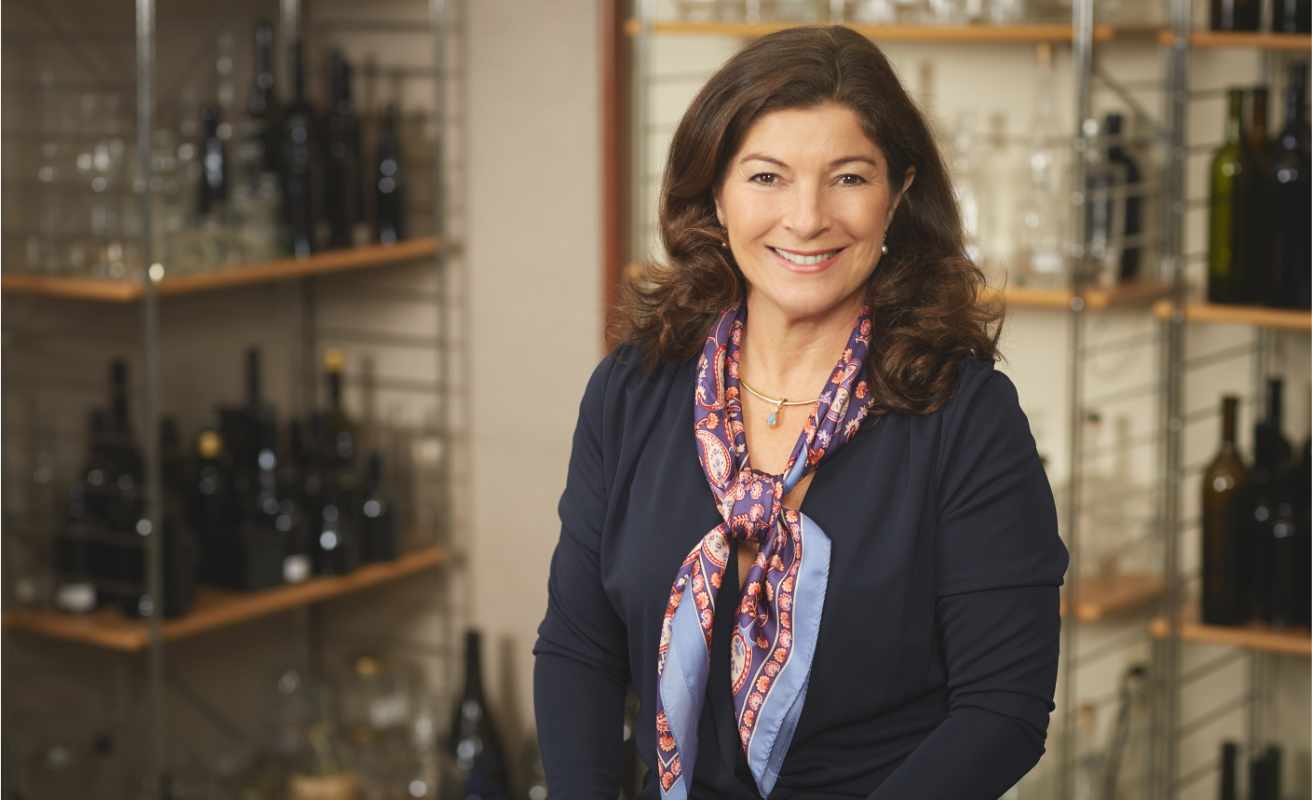
Twenty years ago, Erica Harrop founded Global Package with a simple belief: exceptional brands deserve exceptional packaging, and exceptional partners. This year, we at Global Package are incredibly proud to celebrate our 20th anniversary. Since our founding in 2006 in the heart of Napa Valley, we have been dedicated to providing premium glass bottles and innovative packaging solutions to some of the world’s finest wineries and distilleries. What began as a bold vision to bridge the gap between world-class glass design and local craft producers, and one woman’s belief that wineries and distilleries deserved better design, better technical expertise, and better service, has grown into one of North America’s most respected glass packaging companies. Over the past two decades, we have remained steadfast in our core mission: to offer outstanding, creative, and sustainable packaging, backed by unsurpassed customer service and deep technical expertise. As we look back on twenty years of evo
00

LA County Luxury Winery Property Auction For buyers, investors, and wine industry entrepreneurs exploring ownership opportunities, this Los Angeles County winery property offers a rare chance to consider a substantial wine, hospitality, and event-driven estate through a defined auction timeline. Located in the Sierra Pelona Valley, the 90-acre property includes an established vineyard, winery facilities, guest accommodations, and distinctive hospitality infrastructure suited for a range of future uses. The auction runs August 6 through August 15, with no minimum bid required, creating a timely opportunity for qualified buyers to evaluate the property before the auction window opens. As winery and vineyard real estate continues to attract interest from both industry operators and lifestyle investors, listings like this highlight the range of opportunities available through the WIN Marketplace, from grape sourcing and production equipment to full-scale winery ownership. Whether you’re l
00
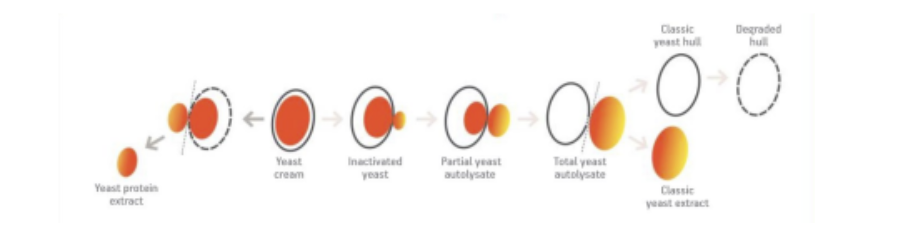
When Fermentis first introduced ViniLiquid™, the concept was straightforward: a yeast autolysate fermentation activator, formulated and stabilized as a liquid. What followed over the next 15 years was something more significant. Winemakers who adopted it didn't just report easier handling. They reported faster, more complete fermentations, healthier yeast populations, and wines with more expressive aromatic profiles. The liquid format, it turned out, wasn't only a packaging decision. It was also a technical one. The key insight from 15 years of field data: physical form matters as much as nutrient composition when it comes to fermentative power. ViniLiquid™ was the first yeast autolysate fermentation activator produced and stabilized in liquid form, and that distinction drives real, measurable differences in how yeast behaves from inoculation through to fermentation completion. This article draws on that accumulated experience to explain why, and what it means for your wine
00
July 7, 2026
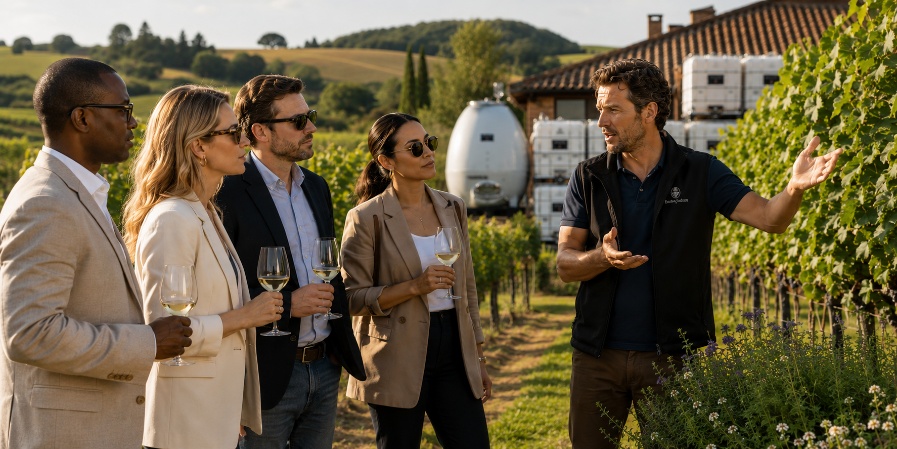
What happens when your best customers decide to drink half as much wine — but spend twice as much per bottle? For decades, the wine industry ran on volume. More cases, more labels, more shelf space. But that playbook is being rewritten. Across every major demographic, consumers are steadily pulling back on how much wine they drink. Though research shows they are spending significantly more on every bottle they choose. This sweeping shift toward premiumization has completely transformed what the market rewards. Today's wine buyer prioritizes chemical transparency, environmental ethics, authentic flavor, and pristine quality. Mass-produced, heavily manipulated table wine is losing ground fast. Competing on volume alone is no longer a winning strategy. Today's most profitable growth opportunities come from consumers who drink less wine but spend more on quality. The following four strategies will help wineries capture that market. 1. Shift Production Toward Lower-ABV and Fresh Varietals
00
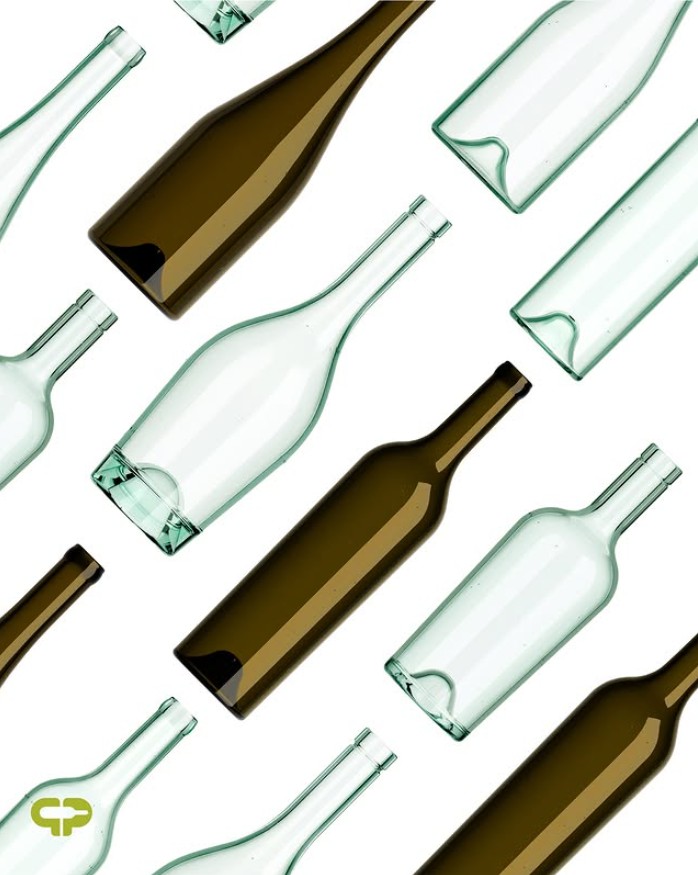
The global shift toward sustainability is palpable across nearly every sector. Within the wine and spirits industries, this movement has gained remarkable traction, driven by consumers’ increasing demand for environmentally responsible products. 2026 brings about more pressure for industry to put sustainability at the center of all operations, but also provides opportunities for businesses to flourish by staying ahead of the trends in innovative and sustainable advancements. Here are four sustainability trends to keep an eye on in 2026: Regenerative practices for wine and spirits Recent years have seen a boom in conscious agricultural practices through the philosophy that all aspects of agriculture are connected. This philosophy emphasizes the careful utilization of land management to restore and regenerate the ecosystems and land we use, leaving it in better health for future generations. Regenerative principles are a push back against traditional industrial agriculture practi
00
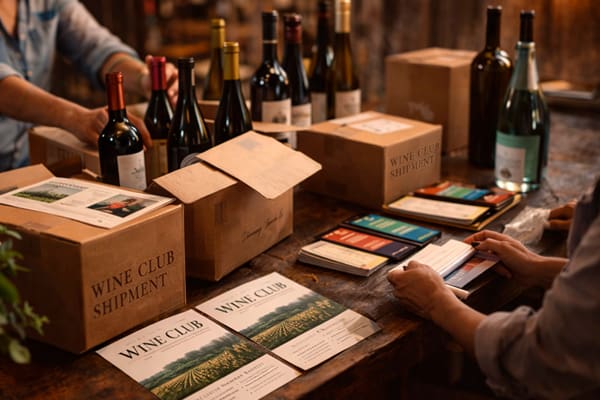
Why Wine Clubs Aren’t Working, And What’s Replacing Them For many wineries, the biggest challenge today isn’t attracting new customers; it’s keeping the ones they already have. Wine clubs once represented the most stable revenue engine for wineries. Members signed up, shipments went out quarterly, and predictable revenue flowed in. It was the foundation of direct-to-consumer success. But that foundation is cracking. Recent industry data reveals a troubling trend: nearly 40% of wine club members cancel within the first year. In a market where customer acquisition costs are climbing, and competition for attention has never been fiercer, losing members at this rate isn’t just a retention problem; it’s a profitability crisis. The math is unforgiving. If acquiring a new club member costs hundreds of dollars in marketing, tasting room labor, and incentives, losing them before they’ve generated meaningful lifetime value means wineries are bleeding money with every signup. And yet, some winer
00
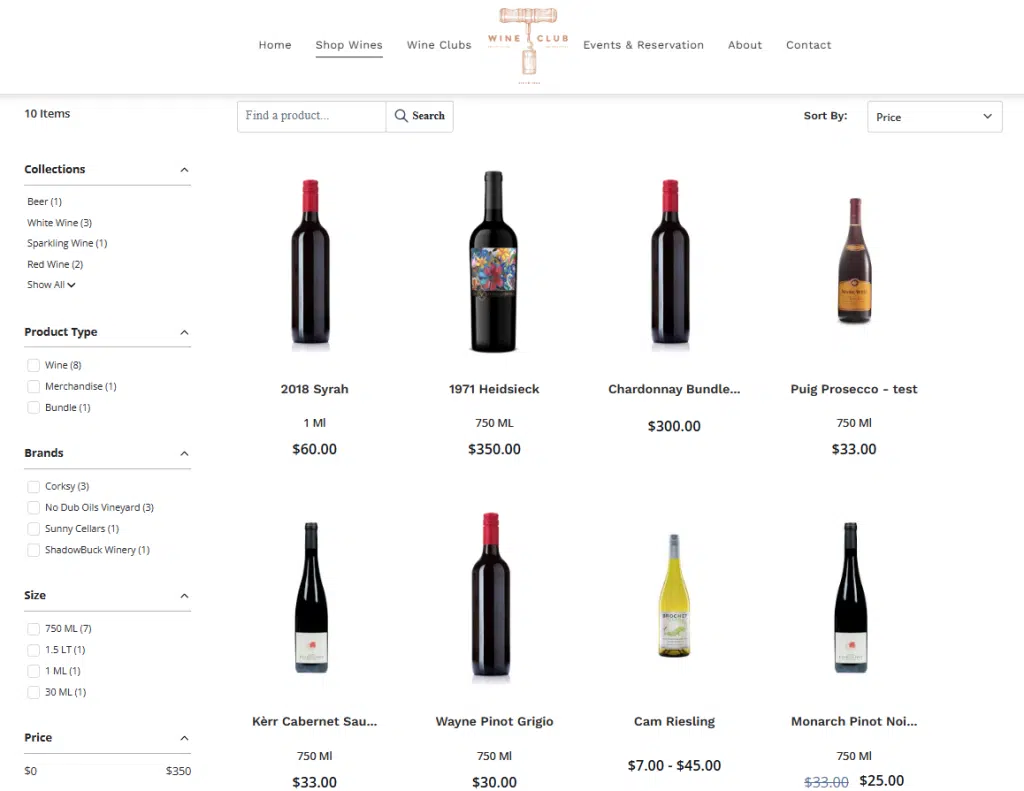
A few years ago at the DTC Wine Symposium, a panelist joked about the modern winery website formula: the guy, the dog, the truck, and the vineyard. Beautiful backdrop, strong lifestyle photography, a thoughtful founder story. Polished, absolutely. Strategically distinct, rarely. The critique wasn’t about branding. It was about structure. Most winery websites aren’t broken, but they aren’t built as decision environments either. Calls to action are unclear, revenue pathways are buried, shipping surprises appear late, and wine club often lives in isolation instead of throughout the buying journey. After auditing winery sites across regions and production sizes, the pattern is consistent: performance is constrained by friction, not effort. Most wineries don’t have a traffic problem. They have a conversion architecture problem. Before increasing ad spend or launching another promotion, run a winery website audit — on your phone. Start at the homepage and move t
00