
Filter Post Type
NewsVideoProductEventLink
Sort:
Most Recent
1–10 of 21

Spreadsheets Aren’t “Free” A barrel inventory sheet in one tab. A fermentation log in another. A compliance tracker that’s been handed down and adapted over the years. A blending workbook, a tasting note doc, and a case count sheet. Plus the binders sitting in the desk drawers. None of it connected. When someone asks what the setup costs, the honest answer is nothing. There is no line on the P&L for wine production software. Technically, it’s free. Then you count the hours. When Wynne Sargeant joined Brave & Maiden as winemaker, the production records lived across a whole array of Google Sheets, which is a very common setup for small wineries. Topping a barrel meant opening the inventory sheet to find the right lot, then jumping to roughly a dozen other spreadsheets feeding compliance, logistics, blending, and inventory. Each one updated by hand. Technical sheets for wines already in bottle were incomplete, so producing one meant rebuilding the wine’s history from scratch. The
00
February 10, 2026

After 30 years of moving up and to the right, the American wine industry hit a wall. Not a temporary slowdown or a soft patch. A structural shift that requires a fundamentally different marketing playbook. 2025 was the reality check. 2026 is the year wineries either adapt or watch their customer base age out beneath them. The data is now unambiguous: wine sales dropped approximately 6% in 2024, marking the steepest decline in decades according to SipSource industry data. More troubling than the headline number is what's driving it. This isn't a recession blip or a bad vintage. It's a fundamental realignment of who drinks wine, how they buy it, and what they expect from the brands they choose. Here are the five trends reshaping the US wine market and what they mean for your brand's survival. The Demographic Disruption The wine industry built its growth on one generation: Baby Boomers. That generation is now aging out. The Wine Market Council's 2025 U.S. Consumer Ben
00


Maintaining wine balance in a changing climate Climate change is reshaping the wine industry. In many wine regions, each year seems to set new records for the hottest or driest growing season, followed by the earliest harvest dates yet. Such accelerated ripening is disrupting grape physiology; phenolic and aromatic development fall out of sync, sugar levels soar, and acidity drops away (1). So how can we adapt and build a more resilient wine sector? The answer to this question is multifaceted. In the vineyards, grape growers are rethinking their management practices, adjusting canopy architecture, introducing shading or optimising irrigation (1,2). Some are reaching for higher altitudes or moving further from the equator in search of cooler conditions (1). Others are trialling alternative heat- and drought-tolerant varieties, from long-forgotten cultivars to newly bred plant material. In the cellars, winemakers may turn to pragmatic solutions such as dilution or blending strategi
00
November 4, 2025
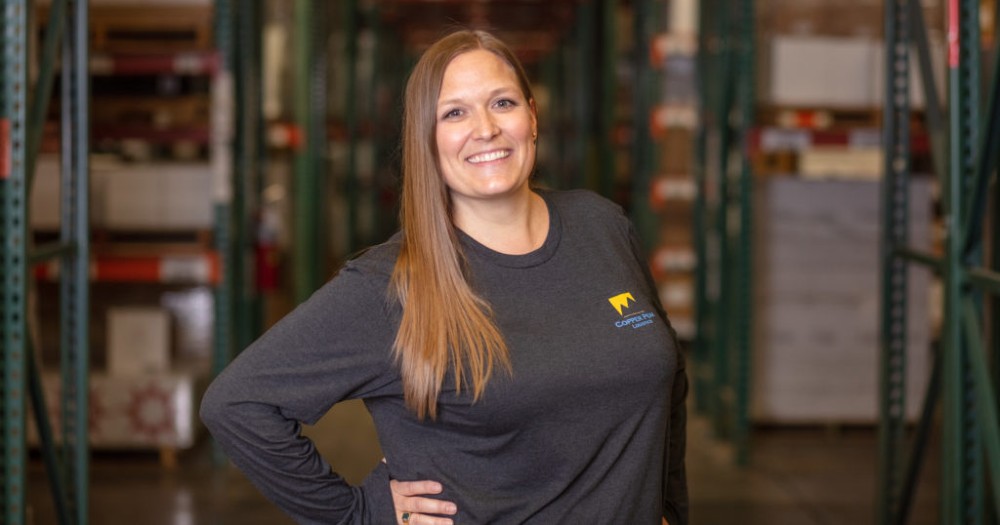
by Stacey HeuerAs we approach Thanksgiving, it’s a time to pause and reflect on the past year—the lessons we’ve learned, the challenges we’ve navigated, and the many things we have to be grateful for. For those of us in the wine industry, this reflection feels especially meaningful. The past year has asked us to adapt, to rethink long-standing traditions, and to find new ways to connect with customers and one another. We’ve witnessed shifting consumer preferences, evolving markets, and the uncertainty that naturally comes with change. Yet through it all, I’ve seen incredible determination, creativity, and collaboration across our community. These qualities remind me that, while the landscape may shift, what truly endures is our shared passion for the craft, our resilience in the face of challenge, and the strong sense of camaraderie that binds us together. In that spirit, I’d like to share what I’m especially thankful for within our wine
00


The crush pad is the heartbeat of any winery during harvest season. It’s where grapes are received, sorted, and prepared for fermentation—a critical workspace that can make or break the efficiency of your operations. A well-designed crush pad doesn’t just improve workflow; it protects fruit quality, reduces labor strain, and ensures safety for your staff. Understanding the Crush Pad Workflow Before designing or upgrading a crush pad, it’s essential to understand the flow of operations. Grapes typically move from vineyard bins to receiving areas, then through destemmers and presses, and finally into fermentation tanks. Every step must be seamless to avoid bottlenecks that can slow down production. When planning your crush pad layout, consider: Equipment Placement: Position destemmers, presses, and conveyors to minimize travel distance. Efficient placement reduces handling and potential grape damage. Accessibility: Forklifts, carts, and workers should have clear
00
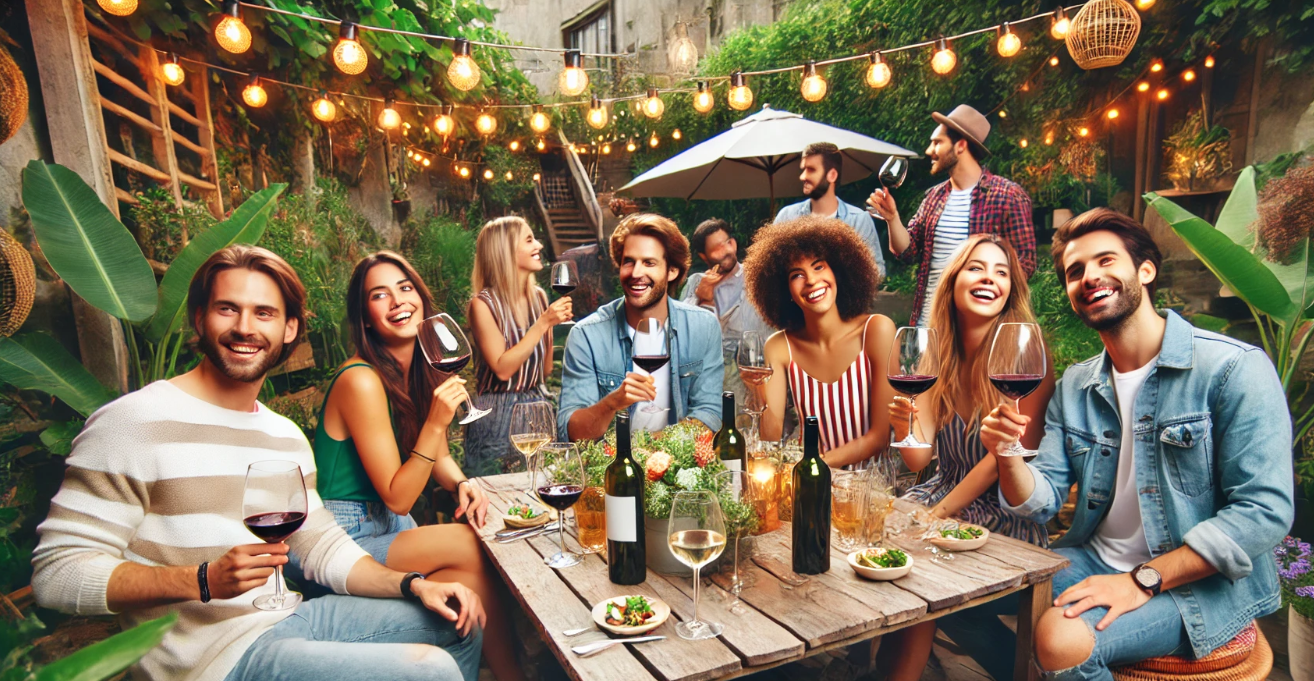
The wine industry is steeped in tradition, but let’s be real—it’s time to shake things up. Younger demographics aren’t buying into the same old wine marketing tricks or outdated experiences. Want to grab their attention (and their dollars)? Then it’s time to think bold, fun, and modern. You Don’t Have to Do It All—Start Small and Stay True to Your Brand Attracting younger wine lovers doesn’t mean you need to overhaul everything or abandon your roots. Instead, consider making a few strategic shifts that align with your brand. Maybe your website keeps the traditional tasting notes, but you have fun with social media. Maybe your weekends are reserved for 21+ reservation-only tastings, but your weekdays are more relaxed and family-friendly. The key is finding what works for you and your audience. Now, let’s dive into some ideas. 1. Flex Your Wine Club Options Your wine club isn’t working for everyone. Sure, your loyal members lov
10

November 20, 2024

Afternoon Brief: Former Owners Sue Napa Valley Custom Crush Winery Over Series of Post-Purchase Payments
The founder of a Napa Valley custom crush facility who sold his business earlier this year is suing the new owners for more than $176,500, according to court records...
Bin to Bottle WinerySip & Sabor FestivalHispanics in Wine & SpiritsWashington Wine Industry FoundationCiattiOpici Wines & SpiritsCave de RibeauvilléGambero RossoWineGlass MarketingWine SpectatorWine & Spirits Wholesalers of AmericaKyocera Document SolutionsVinitaly International AcademyLUMOColumbia LabelIntelliCultureMust Machining & FabricationBella Union WineryEvesham Wood Vineyard & WineryShade Mountain Winery & VineyardSaperaviCraggy Range Winery & VineyardsOnguard Seismic SystemsAdmeo
00
September 23, 2024

While winery eCommerce has been around for a while, many wineries did not fully embrace this direct-to-consumer (DTC) channel until they were forced to during the pandemic. Some wineries have adapted quickly, leveraging modern technology and eCommerce platforms to thrive, while others have struggled to keep up with the fast-paced world of digital marketing and SEO. Thanks to the rise of eCommerce giants like Amazon, consumers expect seamless, fast, and personalized experiences. Wineries face the added challenge of shipping regulations, compliance, and managing perishable goods like wine, but SEO (Search Engine Optimization) can help them stand out and thrive in this competitive market. In the United States, the eCommerce share of wine sales grew from only 0.3% in 2018 to nearly 3% in 2022. The eCommerce channel promises to be lucrative, too. The top five wine and liquor online stores in the U.S. together generated more than one billion dollars in eCommerce net sales in 2022. For long-t
00
August 6, 2024
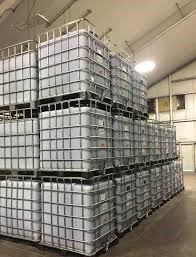
Flextank Helps La Mesa Vineyards Deliver Award-Winning Wines Sweep Gold Medals At Three Prestigious California Wine Competitions La Mesa Vineyards uses Flextank vessels to capture gold medals and create top small-batch artisan-style wines of exceptional quality. Vancouver, Wash. – August 06, 2024 – Flextank, the leader in advanced oxygen-permeable polyethylene tanks for wine, cider, spirits and craft beverage fermentation and storage, today announced one of the company’s premier Flextank customers, La Mesa Vineyards, recently swept prestigious industry wine awards in three separate competitions. The Amador County, Calif.-based La Mesa Vineyards received several Gold, Double Gold and Best-in-Class awards at the respected 2024 Peninsula Underground "Under the Radar" California wine competition, 2024 Orange County Fair Commercial Wine competition, and at the 2024 California State Fair competition. Competition is Fierce. Flextank Helps Deliver Awar
00
February 20, 2024

Bin to Bottle LLC Announces Don J Huffman Joins Company as Director of Business Development
Napa, California, February 16, 2024 – – Bin to Bottle LLC (BTB), Napa Valley’s premier custom crush winery and spirits co-packer is pleased to announce Don J Huffman has joined the […]
00