
Filter Post Type
NewsVideoProductEventLink
Sort:
Most Recent
1–10 of 181
FEATURED Grape Listing on the WIN Marketplace: Five Tons of Cabernet Franc From a Napa Hillside Site
October 6, 2026
Five Tons of Cabernet Franc From a Napa Hillside Site This Napa Valley Cabernet Franc comes from a vineyard at roughly 1,200 feet, with vines running north to south down the hillside on 10-by-5 spacing. Five tons of 2026 fruit are available at $6,000 per ton, with pricing negotiable. For buyers who want to get beyond the listing details, the vineyard is also open to visits, giving wineries an opportunity to see the site behind the fruit firsthand. The vineyard has additional Petite Sirah, Petit Verdot and Cabernet Sauvignon available as well. View the full listing and connect with the grower through the WIN Marketplace: View Listing A grape listing can tell you quite a bit on paper, but site details add another layer. Elevation, row orientation, spacing and the opportunity to walk a vineyard can help buyers build a clearer picture of where the fruit comes from before deciding whether to continue the conversation. WIN Marketplace gives growers a place to put that context in front of th
00

Effective September 16, 2026, TTB is establishing the Columbia Hills American Viticultural Area in Klickitat County. The new 29,387-acre AVA sits entirely within the existing Columbia Valley AVA and currently includes about 338 acres of vineyards and four wineries. What does this mean for wineries? If you want to use “Columbia Hills” as an appellation on your wine label: At least 85% of the grapes must come from within the new Columbia Hills AVA. You’ll need a new COLA, even if your current label is already approved with another AVA. Wait until September 16 to submit a COLA application using the new AVA name. Since Columbia Hills is nested within Columbia Valley, qualifying wines may use Columbia Hills, Columbia Valley, or both as their appellation. One other thing to note: existing labels and brand names using “Columbia Hills.” Once the rule takes effect, TTB will consider the name a term of viticultural significance. That means its use on a label can trigge
00

September 3, 2026

Walk into almost any tasting room and you’ll hear a familiar introduction: “This is a blend of Cabernet Sauvignon and Merlot. It spent 18 months in French oak. The fruit comes from three estate vineyards, harvested by hand…” None of those things are wrong. They’re also not why most people buy wine. People don’t fall in love with barrel programs. They don’t become loyal because of a blend percentage. They don’t tell their friends about the clone selection or the fermentation protocol. They remember the story. At WISE, we often say, “Brand first. Wine second.” Not because the wine isn’t important. It absolutely is, but exceptional wine is no longer enough to stand out. There is another beautiful Cabernet down the road… Another thoughtfully crafted Chardonnay across the valley…Another talented winemaker making excellent wine. Your competitive advantage isn’t simply what’s in the bottle. It’s the story that gives the bottle meaning. People Remember M
00

Most of the wineries I talk to (which is dozens every week) claim the thing that sets them apart from other wineries is their wine. Theirs is grown a special way on a special hill in a special part of the world. But according to Liz Mercer, Winery Coach, Content Developer, and Instructor at WISE, that's not what separates the wineries that are growing from the ones that are standing still. After helping educate winery teams, consulting with DTC leaders, and conducting nearly 7,000 mystery shops, Liz’s experience and recommendations follow one consistent pattern: The wineries seeing the most success have built a culture around customer data. "The number one distinguishing factor is they have a strong culture of data capture, and they do something with it. They're building their mailing lists and they're using their tasting room as a launchpad for a long-term relationship." So what happens when wineries emphasize learning, understanding, and treating the customer like a friend? In short,
00
July 27, 2026
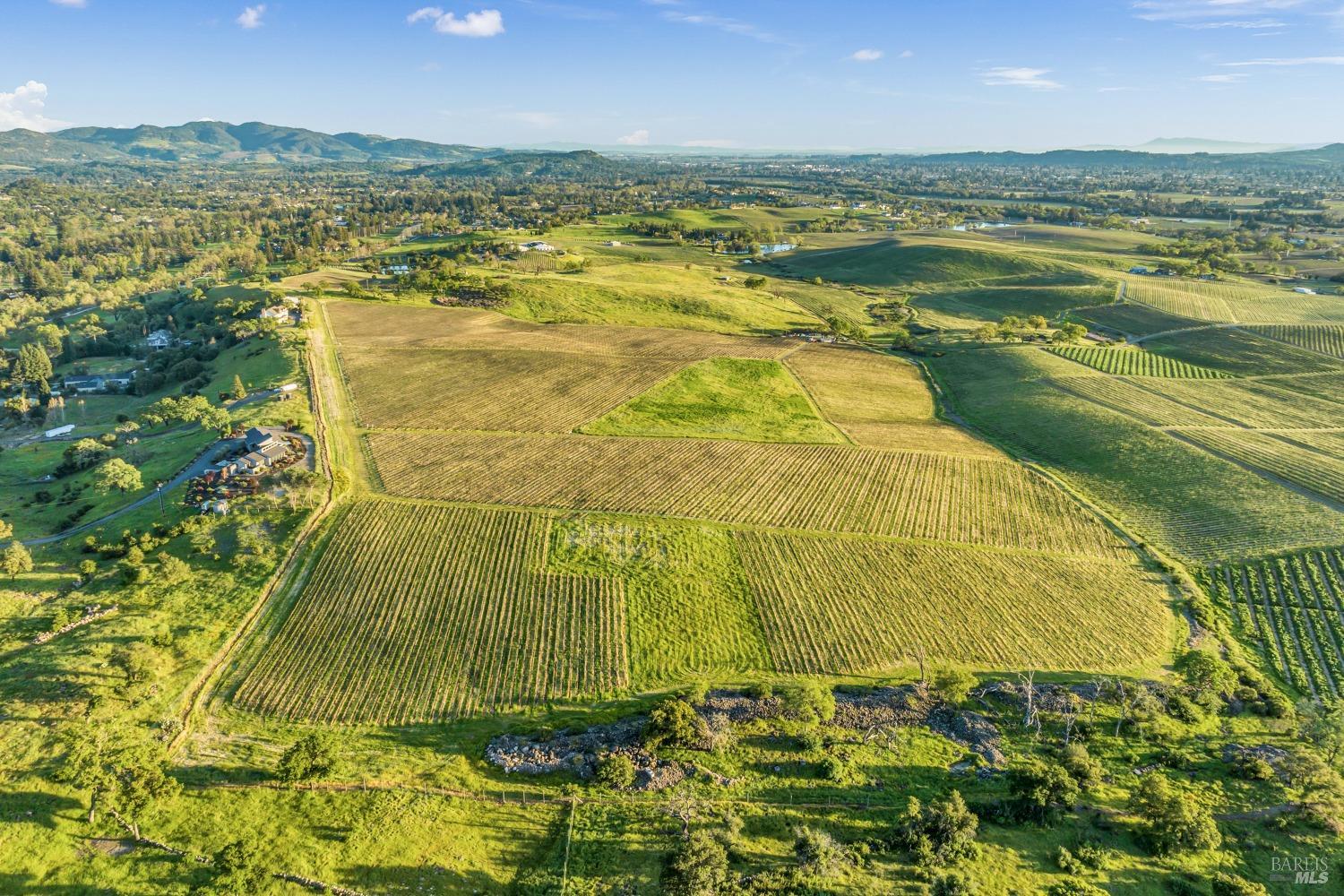
Premium Mountain-Grown Cabernet Some vineyards are planted on hillsides. Others seem to be carved from the mountain itself. Perched on the southwest shoulder of Atlas Peak, Brokenrock Vineyard Estate is defined by steep volcanic terrain, cooling afternoon breezes, and elevations that create ideal conditions for Bordeaux varieties. The vineyard's naturally rocky soils produce smaller berries with concentrated flavors, structure, and a distinct mineral character that has made Atlas Peak one of Napa Valley's most respected mountain appellations. As we move into the second half of July, harvest planning is entering a critical phase. Fruit estimates are becoming more refined, wineries are finalizing production goals, and premium vineyard opportunities are beginning to narrow. For buyers seeking mountain-grown Cabernet Sauvignon and other Bordeaux varieties, now is the time to begin those final sourcing conversations. View Listing Every vineyard tells a different story. Some are defined by
00
July 26, 2026
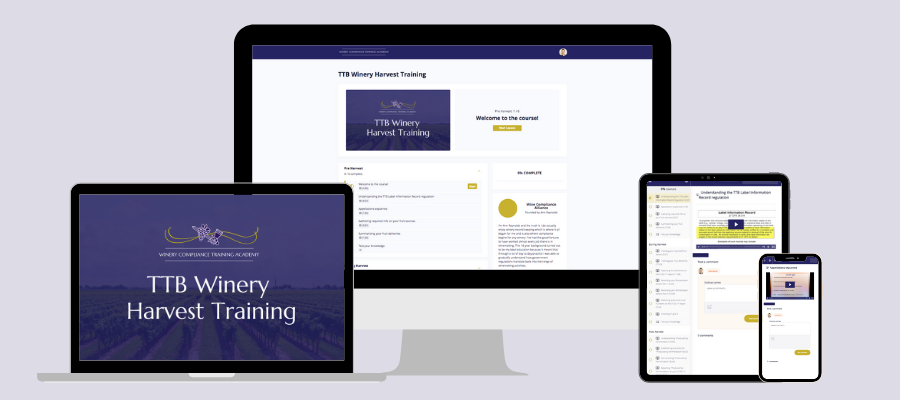
Are you sure that you’re tracking and reporting your harvest activities correctly? If you’ve lost sleep over thinking that you’re not, this course is for you. Our course creators are thrilled to bring you an immersive and comprehensive plunge into the TTB required recording and activity for Harvest specific compliance. While the information may be dry, like a Riesling, you can be assured that the content is full bodied like a tall bottle of single vineyard Cab Franc after a long day in the cellar. Here's a sneak peak to whet the palette: Does this sound like you? Winery compliance is just one part of your job and you have no idea if you’re doing it right You lose sleep wondering if you’re vulnerable to a TTB audit because your records are a mess Harvest is already chaotic enough without adding not knowing how to fill out records and reports You’d like to get everything more organized and make things simpler You’re brand new to winery compliance and want to learn how to do things t
00
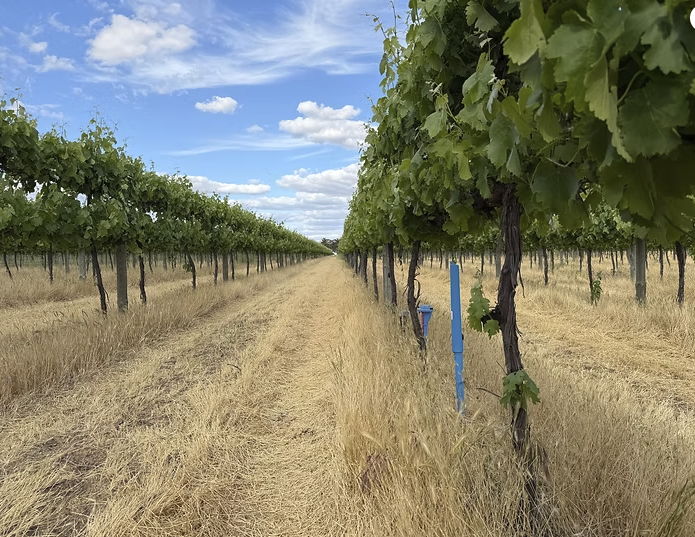
We’re proud to highlight growers who are helping shape the future of agriculture. As we continue growing better together, our latest story comes from Australia’s vineyards. Gorton Drive Estates is a family-owned vineyard situated on the banks of Kangaroo Lake in Victoria’s Swan Hill region. The estate is managed by second-generation viticulturist Chris Dent. They have been cultivating high-quality wine grapes on the property since 1969. Chris, who oversees all aspects of the operation to supply high-quality wine grapes commercially, shared his experience with Heino Malan, our Riverina & Mallee Territory Manager. 1. What challenges were you facing in your irrigation or crop management before using Phytech? You don't know what you don't know! We had a number of capacitance probes located throughout the vineyard and used them in conjunction with other irrigation decision tools including weather forecasts, vine growth stage, physical appearance, dig stick, etc to determine irrigation
00
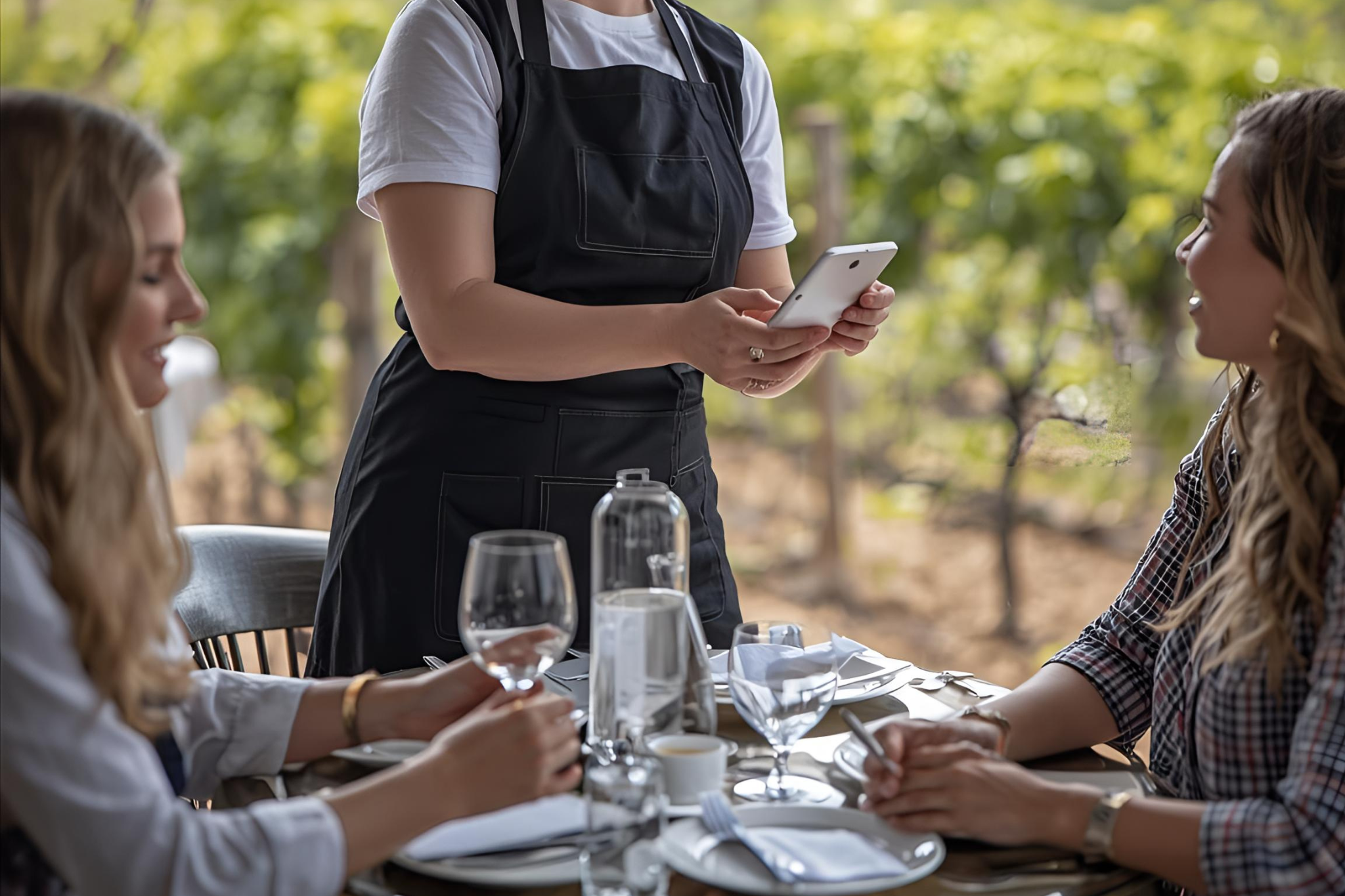
Great wine brings people to your winery. Great hospitality brings them back. Winery hospitality doesn't stop at the tasting bar anymore, and neither should your point of sale. Whether guests are exploring the vineyard, relaxing on the patio, attending a member event, or discovering your wines at a festival, they expect buying wine to be just as easy as tasting it. But many wineries are still using POS systems designed for a single checkout counter, creating unnecessary friction for both guests and staff. A mobile POS changes that. Instead of asking guests to come to the register, it brings the register to the guest, making every interaction faster, more personal, and more connected. Why Flexibility Matters in Winery Service Hospitality is the heartbeat of any winery. Guests expect warm, personal interactions, whether they’re standing at your tasting bar or sipping on a hilltop vineyard tour. A mobile POS ensures every one of those interactions is seamless, connected, and personalized.
00
July 14, 2026
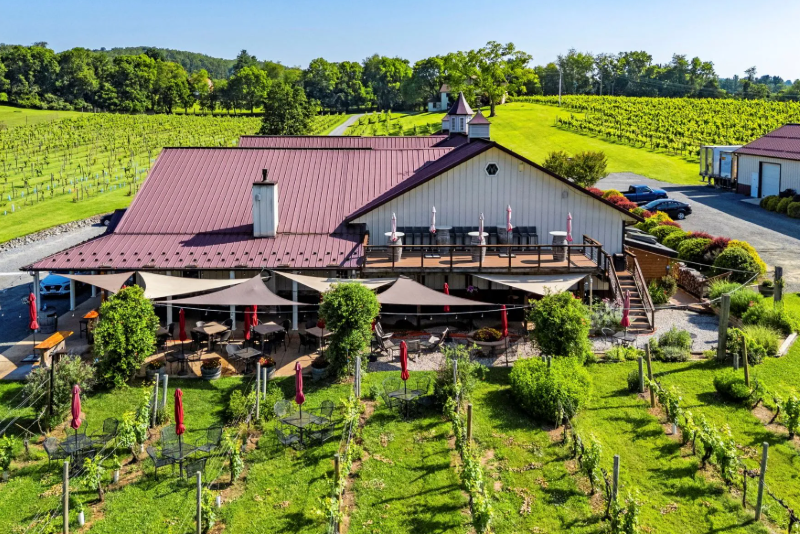
Three Wineries. One Remarkable Portfolio. Some winery listings are about a single property. Others represent an entire chapter of a wine region's history. Now available: The Meriwether Vineyards Group, an extraordinary opportunity to acquire three established Virginia wineries and a farm store as one operating business. The portfolio includes Effingham Manor & Winery, Pearmund Cellars, Vint Hill Craft Winery, and the Pearmund Farm Store, combining established brands, vineyard assets, hospitality venues, inventory, and operational infrastructure into a single offering. As winery ownership continues to evolve across the industry, opportunities of this scale rarely come to market. For investors, hospitality groups, and established wine businesses looking to expand, acquisitions like this offer the chance to step into an operating enterprise with decades of brand recognition, diversified revenue streams, and room for future growth. View Listing The wine industry is built on more than
00

Premium Napa Cabernet Fruit from Brokenrock Vineyard Estate For wineries looking to secure premium Napa Valley Cabernet Sauvignon for the 2026 vintage, Brokenrock Vineyard Estate offers a compelling opportunity from one of Napa’s standout hillside vineyard sites. Draped across the southwest shoulder of Atlas Peak, Brokenrock benefits from cooling ocean breezes, abundant sunshine, elevation, and rocky volcanic soils that naturally limit vine vigor and encourage small berries with concentrated flavor. The resulting wines are known for intense fruit, enhanced aromatics, and an intriguing mineral character that reflects the vineyard’s distinctive site. The vineyard has been developed with a state-of-the-art hillside approach and includes Cabernet Sauvignon, Cabernet Franc, Merlot, and Petit Verdot. Currently, 44 tons of 2026 Napa Valley Cabernet Sauvignon are available from this regenerative vineyard site. Fruit is being offered in small or large lots, with pricing starting at $4,900 per
00