
Filter Post Type
NewsVideoProductEventLink
Sort:
Most Recent
1–10 of 52

October 13, 2026
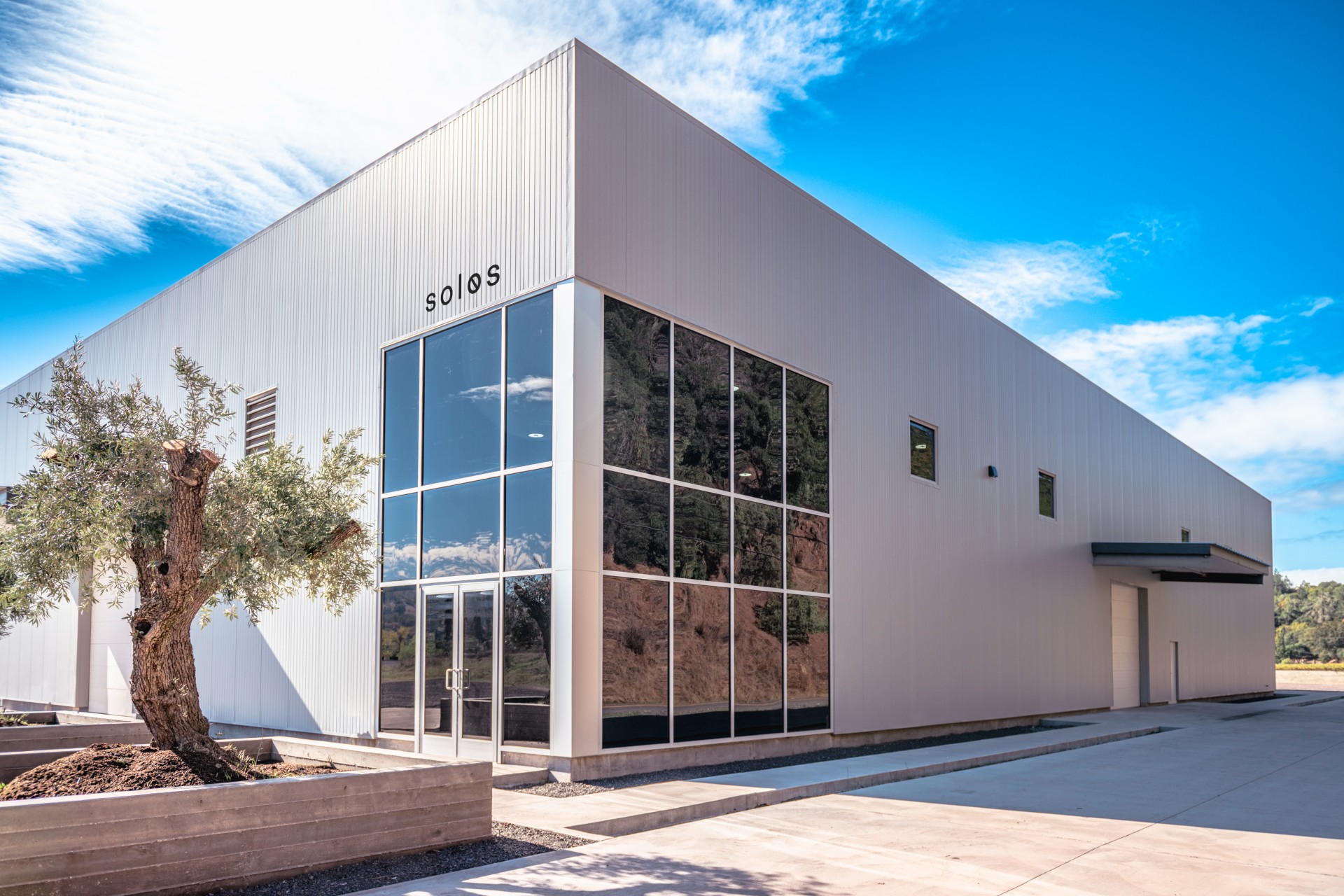
If consumers are drinking less alcohol, how can wineries make sure they’re still choosing wine? Matt Hughes, General Manager of Solos Technology USA, a company that specializes in patented natural aroma recovery and dealcoholization technology, says, “If you look across the non-alcoholic beverage space, consumers have so many options, from flavored waters to iced tea to functional beverages; the list of choices is endless.” “That’s why we believe the Solos technology is the answer,” he adds. “It lets wineries preserve the terroir and the signature of their winemakers, which are the stories that make wine so magical.” In addition to preserving the identity and quality of the original wines, the Solos technology also gives wineries a strategic opportunity to reach new consumers and expand their portfolios. Solos’ founder and President, Claudia Geyer, and co-founder Dr. Alexander Hässelbarth developed their innovative Solos Aroma Recovery System (ARS) technology after years of research i
00
September 24, 2026

Moët Hennessy, the wine and spirits division of LVMH, and Verallia, Europe’s leading and the world’s third-largest producer of glass packaging for food and beverages, announce their strategic research and development partnership dedicated to designing new glass solutions combining resource efficiency, circularity and performance. From left to right: Romain Barral, Operations Director at Verallia, and Frédéric Dufour, member of the Moët Hennessy Executive Committee and Deputy Managing Director of MHCS @James Bort This alliance between Moët Hennessy and Verallia reflects a shared conviction that major environmental, societal and regulatory shifts are accelerating and call for new, collective solutions at the intersection of innovation and industrial excellence. Glass packaging accounts for up to 30% of the wine and spirits industry’s carbon footprint. For Moët Hennessy, leader in the premium and super-premium category, reducing bottle weight and improving the energy mix, particularly th
00


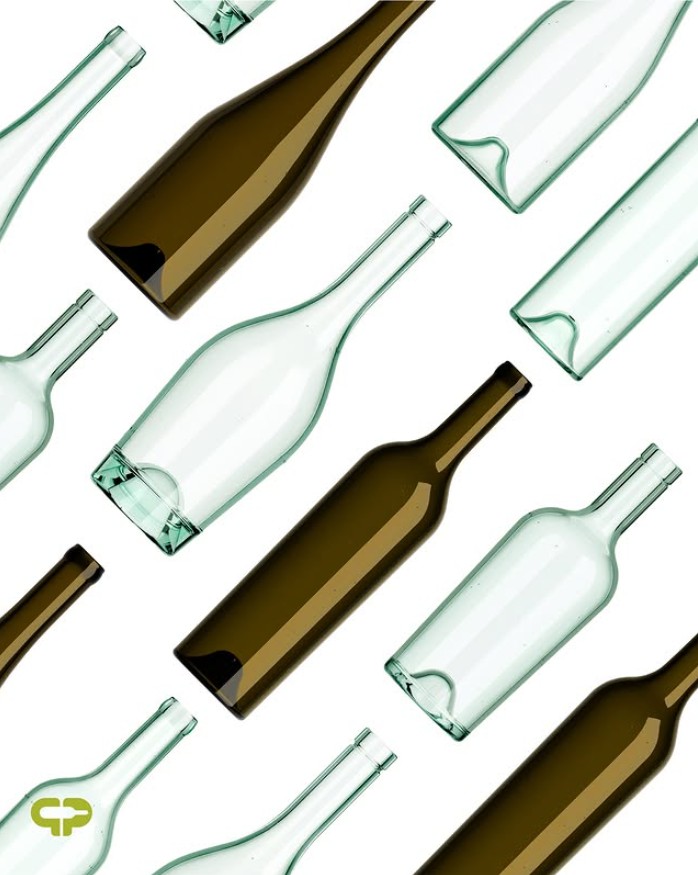
One crucial step in winemaking is the process of selecting an appropriate glass bottle. Why? Because a wine’s identity is greatly influenced by its glass bottle. Often, the content of the bottle takes center stage in conversations and articles rather than the bottle itself. However, our attention today will be on elevating your wine packaging, specifically how wine bottles are packaged for distribution. In the last few years, wine packaging has experienced a radical shift. The invention of cans, tetra packs, and other packaging materials and innovations have changed the way producers think about wine packaging. However, glass bottles remain the traditional and preferred method for wine packaging. A typical wine bottle is made of glass and is available in a variety of sizes and forms. However, most wines are commonly packaged in 750 mL glass bottles. Glass bottles have been used for hundreds of years for wine packaging and have proven to be quite beneficial. However, this has not alway
00
Why the structure under your numbers is probably wrong — and what to do about it. If your QuickBooks file feels hard to use — the reports don't make sense, the numbers don't add up, and you're not sure who to ask — that's not a QuickBooks problem. And it's not a you problem. It's a structure problem. And it starts with a false assumption that's been passed down through the wine industry for decades. Winery Accounting Is Not the Same as Vineyard Accounting The assumption is that winery accounting should be simple. It makes sense when you trace it back. A lot of wineries started as vineyards — and for a vineyard that's only growing and selling grapes, the accounting really is simple. One product, one channel, straightforward books. But a winery is a manufacturer. You're buying grapes, transforming them into wine, aging that wine over multiple years, packaging it, and selling it through several different channels — tasting room, wine club, wholesale — each with very different margins. The
00
The global shift toward sustainability is palpable across nearly every sector. Within the wine and spirits industries, this movement has gained remarkable traction, driven by consumers’ increasing demand for environmentally responsible products. 2026 brings about more pressure for industry to put sustainability at the center of all operations, but also provides opportunities for businesses to flourish by staying ahead of the trends in innovative and sustainable advancements. Here are four sustainability trends to keep an eye on in 2026: Regenerative practices for wine and spirits Recent years have seen a boom in conscious agricultural practices through the philosophy that all aspects of agriculture are connected. This philosophy emphasizes the careful utilization of land management to restore and regenerate the ecosystems and land we use, leaving it in better health for future generations. Regenerative principles are a push back against traditional industrial agriculture practi
00

June 2, 2026
New platform capabilities give winery teams real-time guest insights, predictive analytics, personalized recommendations, and automated marketing tools to create better customer experiences and drive more revenue.
VANCOUVER, BC
– Commerce7, the leading DTC platform built for the wine industry, today announced the launch of more than 10 new features at C7 Innovate, its largest product launch event to date. The new capabilities span customer intelligence, predictive analytics, personalization, and automated marketing — all designed around a single premise: know your customer, sell more wine.
The event, themed “Intelligence at Every Touchpoint,” underscored Commerce7’s vision for the future of DTC wine commerce: a platform that goes beyond recording transactions to help winery teams understand their guests, anticipate their needs, and deliver hospitality that turns first-time visitors into lifelong customers.
“The future of DTC is intelligence,” said Andrew
00


Wineries have always operated differently from traditional ecommerce, and for good reason. The business model isn’t the same, wine clubs aren’t standard subscriptions. The tools wineries relied on weren’t built for wine, they were adapted from broader DTC models and retrofitted to fit a completely different type of business. Because of that, wineries have had a natural hesitation to adopt AI. The relationship is the core of the winery. That’s not something you want to automate away or reduce to a system. However, AI has matured to a point where it’s no longer experimental. Used correctly, it’s a net benefit across the winery. Not as a replacement for the experience, but as support for it. It can make your team more effective, your content more consistent, and your customer interactions more thoughtful. To break down where AI actually creates value, Awtomic Founder and CEO Emily Yuhas spoke with Shem Swerkes, Senior Director of Global Digital Innovation at Treasury Wine Estates, about h
00
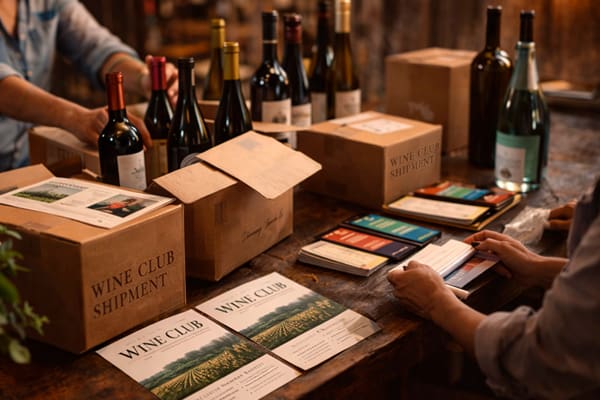
Why Wine Clubs Aren’t Working, And What’s Replacing Them For many wineries, the biggest challenge today isn’t attracting new customers; it’s keeping the ones they already have. Wine clubs once represented the most stable revenue engine for wineries. Members signed up, shipments went out quarterly, and predictable revenue flowed in. It was the foundation of direct-to-consumer success. But that foundation is cracking. Recent industry data reveals a troubling trend: nearly 40% of wine club members cancel within the first year. In a market where customer acquisition costs are climbing, and competition for attention has never been fiercer, losing members at this rate isn’t just a retention problem; it’s a profitability crisis. The math is unforgiving. If acquiring a new club member costs hundreds of dollars in marketing, tasting room labor, and incentives, losing them before they’ve generated meaningful lifetime value means wineries are bleeding money with every signup. And yet, some winer
00
April 16, 2026
Verallia, Europe’s leading and the world’s third largest producer of glass packaging, is inaugurating its first hybrid furnace at its Zaragoza site in Spain. This new facility marks a significant milestone in the Group’s decarbonisation strategy and will reduce CO₂ (scope 1 and 2) emissions by around 50%, with potential to reach 60% depending on the energy mix. In response to the climate emergency, Verallia has been committed for several years to decarbonising its operations. Supported by a clear and robust CSR roadmap – now reinforced by the SBTi’s1 validation of its Net Zero 2040 trajectory – the Group aims to reduce its CO₂ emissions (scopes 1 and 2) by 46.2% by 2030 compared with 2019, and by 90% by 2040. Verallia is the first global producer of glass packaging for beverages and food products to commit to this trajectory for 2040. In this context, the Group is deploying a diversified portfolio of low‑carbon melting technologies across its n
00
February 10, 2026

A pioneer in eco-design for glass packaging for over fifteen years, Verallia takes a new step forward with the launch of Balance, the premium eco-designed range from Selective Line. This innovation, aligned with our purpose of “Reimagining glass for a sustainable future” addresses growing demand for premium packaging that combines exceptional design with a reduced carbon footprint. Drawing on the expertise gained from the lightweight Ecova range created in 2009 and the ultralightweight Verallia Air range developed in 2023, Verallia is now applying its eco-design principles to its premium Selective Line brand. THREE LEVERS FOR OPTIMIZED IMPACT The Selective Line Balance range is built on three eco-design levers, which can be activated individually or in combination: Lightweighting: premium bottles reduced by an average of 15% compared to the overall Selective Line portfolio. Recycled glass: colors incorporating higher proportions of recycled gla
00