
Filter Post Type
NewsVideoProductEventLink
Sort:
Most Recent
1–10 of 95


Salary benchmarking is essential for accurately compiling competitive compensation structures in highly regulated industries, such as alcohol and beverage. Utilizing compensation benchmarking data can significantly enhance this process. It informs employee compensation, supports pay transparency, and helps organizations attract and retain talent in tight labor markets. For employers operating in healthcare, construction, cannabis, casinos, and other compliance‑heavy environments, salary benchmarking serves as a north star for human resource teams, guiding fair pay practices, ensuring regulatory alignment, and enabling data‑driven decisions. This blog walks through how salary benchmarking works in regulated environments, what makes it different, and how to build a defensible, repeatable process that holds up under scrutiny. Salary Benchmarking Defined for Regulated Industry Employers At its core, salary benchmarking is the process of comparing internal compensation against external mar
00

August 12, 2026
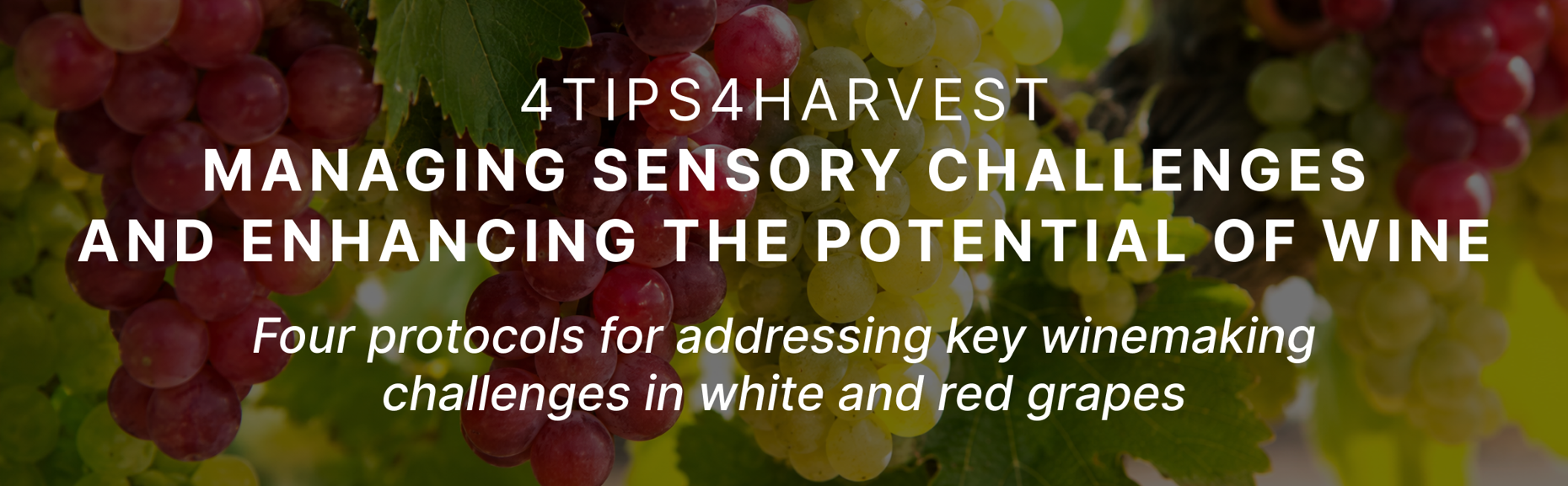
Climate change has introduced new agronomic challenges (accelerated ripening, sugar-acidity imbalance, increased oxidation risk) that require an increasingly focused, precise, flexible, and innovative approach to winemaking. White grape winemaking, in particular, demands strategies that can preserve, refine, and amplify aromatic expression, even under the challenging conditions of complex vintages. Click here to learn more or view our four new protocols: Bitterness Reduction in White Wines Acetaldehyde Reduction in White Wines (Sparkling Wine Bases) Astringency Reduction in Red Wines Acetaldehyde Reduction in Red Wines
00
July 30, 2026

For influencers, digital creators, and creative marketing agencies, generative artificial intelligence (AI) has become an essential brainstorming partner. Whether you are using ChatGPT to structure video scripts, Claude to refine marketing strategies, or Gemini to map out a multi-platform social media campaign, these tools provide an extraordinary boost to daily productivity. However, the way you interact with these platforms matters enormously when it comes to protecting your intellectual property (IP). Every time a creator inputs a detailed prompt into an AI model, they are sending data across an external network. If a prompt includes a unique, unreleased brand concept, proprietary campaign taglines, or copyrighted visual references, that creative asset could be exposed depending on the platform's terms of service. Without realizing it, creative professionals may be compromising the exclusivity, confidentiality, and legal protectability of some of their most valuable ideas. The Real-
00


Pest pressure in California wine country shifts with the seasons. Understanding these patterns helps you stay proactive, protecting your facility year-round. Spring: Awakening Activity As temperatures rise, overwintering pests become active. Ants begin foraging, rodents emerge, and birds build nests. Gophers and ground squirrels damage irrigation lines and vine roots. Action: Conduct facility inspections to seal entry points. Address burrowing rodents before populations explode. Install bird deterrents. Summer: Peak Pressure Warm weather brings peak activity for flying insects, ants, spiders, and wasps. Tasting rooms see increased foot traffic that can introduce pests. Action: Maintain rigorous sanitation. Monitor for ant trails. Ensure door sweeps and screens are in good repair. Fall/Crush: The Critical Window Harvest brings the year's highest pest risk. Fruit flies are drawn to fermenting grapes. Rodents seek food and warmth as temperatures drop, infiltrating buildings during your bu
00

July 9, 2026

A Faster Path to Premium Sparkling Summer may be in full swing, but many wineries are already thinking several seasons ahead. As tasting rooms stay busy and hospitality programs gain momentum, producers are also looking toward holiday releases, wine club allocations, and private label opportunities. That's what makes premium sparkling shiners especially valuable this time of year. They provide a faster path to market without sacrificing quality or the craftsmanship associated with traditional method sparkling wine. Now available: 2023 Sonoma County Brut Traditional Method Sparkling Shiners. Produced using the same bottle-fermented process as Champagne, these ready-to-bottle wines offer fine bubbles, layered complexity, and the flexibility to support private label, custom brand, or tasting room-exclusive programs. View Listing Ready-to-Bottle Sparkling from Sonoma County The wine business is always looking ahead. While today's focus may be vineyard management and the upcoming harvest,
00

July 8, 2026

Maintenance expenses, rising labor costs, energy prices, and equipment utilization challenges continue to put pressure on warehouse and distribution operations. Forklifts are essential to productivity, but they can also be one of the largest ongoing expenses in a material handling operation. The good news is that reducing forklift operating costs does not have to mean sacrificing performance. Companies that implement cost-reduction strategies on forklift operations achieve an average 22% decrease in overall material handling expenses while maintaining or improving productivity metrics.* With the right maintenance strategy, equipment selection, operator training, fleet visibility, and rental flexibility, operations can lower costs while maintaining productivity and uptime. Here are five practical ways to reduce forklift operating costs without sacrificing performance. Implement Preventive Maintenance Programs One of the fastest ways to increase operating costs is through unexpected b
00

June 30, 2026
Warmer winters, longer growing seasons and shifting vector ranges are changing the disease landscape in California vineyards. Pierce’s Disease pressure has historically been lower in the North Coast, aided in part by cold winter temperatures. Climate trends, however, may alter that risk profile as Pierce’s Disease adapts. Are there opportunities to curtail this trend? This session will share recent PD/GWSS Board-funded research on Pierce’s Disease ecology and potential control strategies. Growers will leave with a clear understanding of how area-wide programs protect premium vineyards and what today’s research means for vineyard resilience over the next decade. The Glassy-winged Sharpshooter (GWSS) is an invasive insect that acts as the primary and most aggressive vector for Pierce’s Disease, and resources will be shared in the session for growers to stay updated on the evolving issue of Grapevines sold at Costco which contained GWSS. Read more about our Growing Forward Series here: h
00

June 30, 2026

Summer shipping is one of the most challenging times of year for wineries and other temperature-sensitive brands. Rising temperatures, shifting consumer expectations, and increased shipping risks can create pressure to move quickly and reassure customers. But in the rush to protect shipments and maintain sales, many brands overlook one of the most valuable tools they have: authenticity. Your Brand, Your Customer Relationship Every winery has its own voice, customer base, and approach to communication. You know your customers better than anyone. You understand what they value, how they prefer to engage with your brand, and the experience you want them to have from the moment they place an order to the moment they open a bottle. Summer shipping season can test that experience. Extreme temperatures, carrier delays, and regional weather events create challenges that require thoughtful planning and clear communication. While the logistics may be complex, the goal remains simple: protecting
00


Supply Chain Update | Summer 2026 Navigating an Uncertain Global Supply Chain For the wine industry, supply chain planning continues to require far more than simply placing purchase orders. Trade policy, geopolitical events, freight markets, and domestic manufacturing capacity are all changing rapidly—and those changes directly impact cost, availability, and lead times. At West Coast Glass & Packaging Group, our role is to help wineries stay ahead of those changes so they can remain focused on making and selling great wine. Trade Policy Continues to Evolve One of the biggest developments this summer is the U.S. Trade Representative's proposed Section 301 tariff actions targeting imports over forced labor enforcement concerns. While implementation is still under review, the proposals have already caused importers to reassess sourcing strategies and inventory planning. For wineries, this reinforces the importance of working with suppliers that understand both domestic and internation
00


Many wineries continue using the same Enology products year after year for good reason. The products work, the winemaking team trusts them, and changing inputs can feel risky, especially in difficult markets. But familiarity and exclusivity are not always the same thing. Over time, technically equivalent alternatives emerge, sourcing structures evolve, and new cost-saving opportunities become available. In some cases, the same products may be available through “off-label” programs designed to improve cost efficiency while maintaining quality expectations. It is also worth recognizing that many suppliers of specialty Enology products are brand owners and marketers rather than the original manufacturers themselves. Some wineries aggressively benchmark their Enology programs and sourcing strategies in ways that others may never think to explore. Large wineries, in particular, often evaluate these opportunities strategically. Smaller and mid-sized wineries, however, may not always realize
00