
Filter Post Type
NewsVideoProductEventLink
Sort:
Most Recent
1–10 of 41
For California wineries, harvest means long and irregular shifts, seasonal employees, and work that may span both vineyard and production operations. Those realities make crush a particularly important time to pay attention to California wage and hour laws. The rules can also be more complicated than many winery employers realize. The applicable Wage Order—and therefore some of the governing requirements—can depend on what work is being performed and even whose grapes are being processed. Start With the Correct Wage Order California’s Industrial Welfare Commission Wage Orders govern many of the details of wages, hours and working conditions for nonexempt employees. In the wine industry, determining which Wage Order applies is not always as simple as identifying the employer as a “winery.” There is no universal rule that every employee working for a wine business is governed by the same Wage Order in every circumstance. Classification depends on the particular facts and structure of the
00

September 10, 2026

Changing tastes, softer demand, and higher costs are reshaping how producers make and sell every gallon. Wine and cider producers face a different market than they did a few years ago. Consumer tastes are changing. Alcohol demand has softened. Labor remains difficult to find. Production costs continue to rise. Customers expect more variety while resisting higher prices. The pressure reaches every part of the operation: what to produce, how much to make, how quickly to turn it, and how much it costs. Producers need more flexibility across production, labor, product development and operating costs. Here are five ways to build it. 1. Produce More Styles with Less Fixed Investment Consumers want more choices. Make what customers want next: lower-alcohol products, new blends, seasonal releases, smaller production runs and club-exclusive wines and ciders. Adding variety doesn’t have to mean adding major capital expense. Flexible production lets wineries and cideries test new products, adjus
00

Key Takeaways A winery is legally two businesses at once: an agricultural employer and a licensed wine producer, and most HR platforms are only built to handle one. Job title doesn’t determine treatment. Duties do. The same employee can move between agricultural and non-agricultural work within a single week. Crush season exposes problems built months earlier, from rushed seasonal hiring to unverified worker classifications. A structured self-audit beats reconstructing records during a DOL, TTB, or state inquiry. Würk’s tools help wineries stay prepared year-round. A winery’s obligations touch more regulatory categories than almost any other small business: agricultural labor law, guest-facing wage rules, wine-production rules, multi-state payroll withholding, and immigration regulations, often within a single organizational chart. This guide walks through a practical internal-review framework for wineries and vineyards with 10 to 500 employees. It’s operational guidance, not advic
00
August 27, 2026
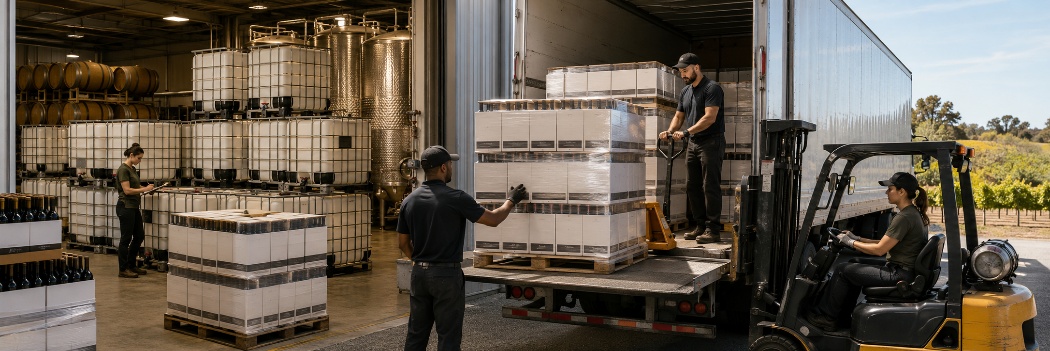
Private label wine demand is growing nationwide. Private label wine is becoming one of the most important growth opportunities for wineries. Buyers want wines built for their customers, programs, and margins. They’re looking for winery partners who can deliver quality wines at the right price and move fast when demand changes. Retailers want wines that stand out on the shelf. Hospitality groups want better house wine programs. Grocery and club store buyers want quality, consistency, and value. A modern, flexible cellar strategy helps wineries capture that opportunity. Private label growth can help wineries create new revenue, strengthen buyer relationships, and use cellar capacity more efficiently. But the opportunity comes with new production demands: Buyers may want different wine styles, smaller runs, and faster timelines. Successful wineries will compete with more than available tank space. They will use modern, flexible production strategies to protect quality, control costs, and
00

July 23, 2026

For decades, traditional wine clubs have been one of the most successful ways for wineries to build lasting relationships with their customers. They create opportunities to share new vintages, reward loyal members, and establish a predictable rhythm that benefits both the winery and its members. Today, many wineries are complementing those traditional programs with subscription-style offerings that provide members with greater flexibility, personalized selections, and more frequent engagement. Neither model is replacing the other. In fact, many successful wineries are finding that a combination of traditional wine clubs and subscription programs allows them to serve different customer preferences while continuing to strengthen direct-to-consumer relationships. There is no universal formula because no one understands a winery’s customers better than the winery itself. While membership strategies continue to evolve, one thing remains constant: Every customer experience ultimately depends
00

July 22, 2026

As wineries operate with leaner teams, many employees are taking on broader roles. Recognizing that change does not require ignoring the financial pressure employers are facing. The wine industry is asking many businesses to do more with less. Sales remain under pressure, operating costs have climbed, and wineries are making difficult decisions about staffing, production, facilities, and spending. Silicon Valley Bank’s 2026 State of the U.S. Wine Industry Report found that roughly half of wineries characterized 2025 negatively, although about one-third reported a positive year—an important reminder that conditions are difficult, but not identical, across the industry. Recent winery closures, consolidations, and layoffs have made those pressures especially visible. When positions are eliminated or left unfilled, the work attached to them does not always disappear. It is often redistributed among the people who remain. A marketing employee may inherit wine club communications and event
00

Whether you’re evaluating a new fulfillment partner or assessing your current one, the right questions can help determine whether your operation is prepared to support your winery’s future growth. Can They Support Both Traditional Clubs and Subscription Programs? Membership programs continue to evolve, and your fulfillment partner should evolve with you. Look for a partner that can confidently support: Large seasonal club releases Ongoing subscription shipments Personalized wine selections Gift programs and corporate orders Limited releases and allocation offers Marketing promotions Multiple shipment frequencies Pause, skip, or order modification requests Your fulfillment partner should adapt to your membership strategy. Not require you to change it. Do They Become an Extension of Your Team? Exceptional fulfillment is built on exceptional communication. Your fulfillment partner should feel less like a vendor and more like another department within your winery. Look for a partne
00

July 8, 2026

Maintenance expenses, rising labor costs, energy prices, and equipment utilization challenges continue to put pressure on warehouse and distribution operations. Forklifts are essential to productivity, but they can also be one of the largest ongoing expenses in a material handling operation. The good news is that reducing forklift operating costs does not have to mean sacrificing performance. Companies that implement cost-reduction strategies on forklift operations achieve an average 22% decrease in overall material handling expenses while maintaining or improving productivity metrics.* With the right maintenance strategy, equipment selection, operator training, fleet visibility, and rental flexibility, operations can lower costs while maintaining productivity and uptime. Here are five practical ways to reduce forklift operating costs without sacrificing performance. Implement Preventive Maintenance Programs One of the fastest ways to increase operating costs is through unexpected b
00
Running a winery is a balancing act that never really stops. You’re managing seasonal demand, tasting room traffic, wine club fulfillment, compliance requirements, and a workforce that spans everything from harvest crews to hospitality staff. And you’re doing it with thinner margins than most people assume. The operational friction that eats into those margins usually lives in the same places: staff hunting for schedules, managers stuck at a desktop approving shift swaps, and new hires learning your systems on the fly. The good news is that none of these require a major technology overhaul to address. This checklist identifies seven practical moves that can make a real difference in how your team operates, starting this week. Streamline People & Culture 1. Standardize your onboarding process. Every new hire should receive the same friction-free introduction to your operation. Instead of scrambling on their first day, ensure that system logins, tasting room protocols, and comp
00


Supply Chain Update | Summer 2026 Navigating an Uncertain Global Supply Chain For the wine industry, supply chain planning continues to require far more than simply placing purchase orders. Trade policy, geopolitical events, freight markets, and domestic manufacturing capacity are all changing rapidly—and those changes directly impact cost, availability, and lead times. At West Coast Glass & Packaging Group, our role is to help wineries stay ahead of those changes so they can remain focused on making and selling great wine. Trade Policy Continues to Evolve One of the biggest developments this summer is the U.S. Trade Representative's proposed Section 301 tariff actions targeting imports over forced labor enforcement concerns. While implementation is still under review, the proposals have already caused importers to reassess sourcing strategies and inventory planning. For wineries, this reinforces the importance of working with suppliers that understand both domestic and internation
00