Filter Post Type
NewsVideoProductEventLink
Sort:
Most Recent
1–10 of 12
July 2, 2026
Your Tasting Room Is Your #1 Club Acquisition Channel. Here's What Top Wineries Do Differently.
A guest walks into your tasting room. They're already engaged. They're already drinking your wine. They're already emotionally invested in the experience.
And then they leave without joining your club.
If that sounds familiar, you're not alone. SVB's Direct-to-Consumer Wine Survey benchmarks conversion rates at 8 to 10% for top-performing tasting rooms, but the average is significantly lower. That means most wineries are leaving signups on the table at the exact moment guests are most ready to say yes.
With tasting room visitation down roughly 8% year over year and wine clubs now accounting for 39% of total DTC sales, the pressure to convert visitors into members has never been higher. The good news is that the wineries growing their clubs aren't doing anything mysterious. They're executing three things consistently. Here's what to focus on.
1. Make the ask easy in the moment
T
00

June 24, 2026

From a marketing perspective, the World Cup presents a significant opportunity for brands to engage broader audiences through creative campaigns tied to the tournament. Many states have implemented temporary changes to alcohol laws to accommodate increased tourism, account for global time zone differences, and support hospitality industry growth. While most adjustments focus on extending first and last call hours, several jurisdictions have also introduced designated outdoor entertainment zones to facilitate regulated, large-scale gatherings and maximize the event’s economic impact. Here is an overview of the states participating in this historic event that overlaps with America turning 250. Note that while Texas is hosting World Cup Games, they have not altered their alcohol regulations and in turn have been left off the list below. · GA: Atlanta’s City Council has relaxed their open-container restrictions related to the World Cup
00
February 10, 2026
After 30 years of moving up and to the right, the American wine industry hit a wall. Not a temporary slowdown or a soft patch. A structural shift that requires a fundamentally different marketing playbook. 2025 was the reality check. 2026 is the year wineries either adapt or watch their customer base age out beneath them. The data is now unambiguous: wine sales dropped approximately 6% in 2024, marking the steepest decline in decades according to SipSource industry data. More troubling than the headline number is what's driving it. This isn't a recession blip or a bad vintage. It's a fundamental realignment of who drinks wine, how they buy it, and what they expect from the brands they choose. Here are the five trends reshaping the US wine market and what they mean for your brand's survival. The Demographic Disruption The wine industry built its growth on one generation: Baby Boomers. That generation is now aging out. The Wine Market Council's 2025 U.S. Consumer Ben
00
May 20, 2025
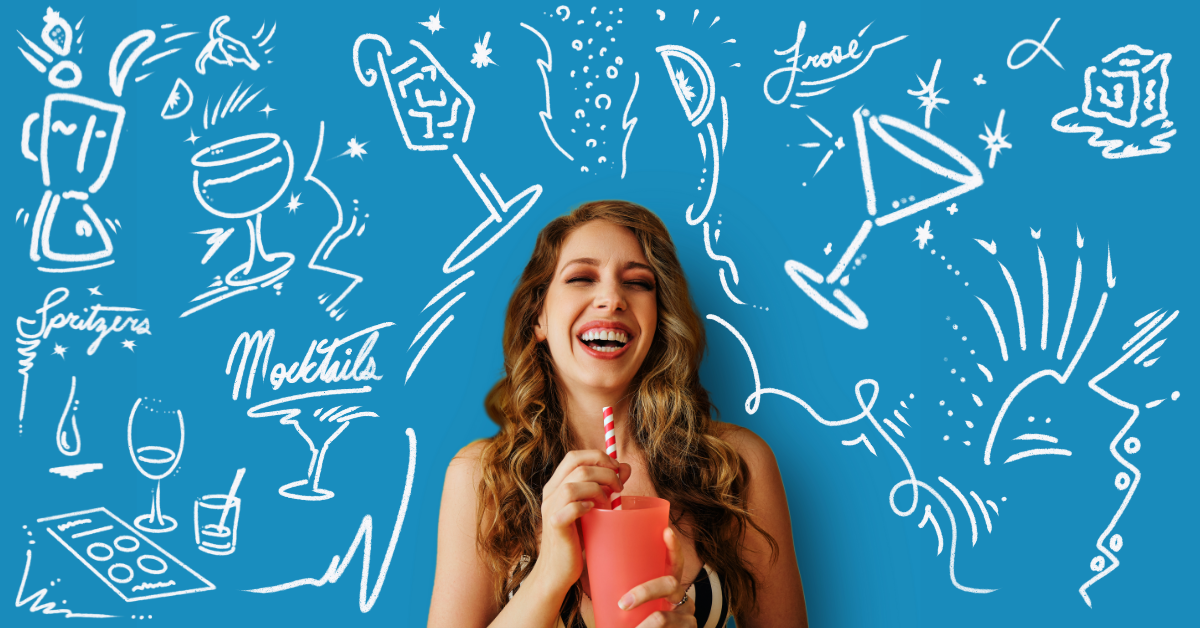
In the ever-evolving world of wine, tasting rooms have long been sacred spaces for sampling vintages and educating consumers about winemaking. But recently, the definition of what belongs in a tasting room has expanded beyond the conventional pour. Enter the world of alternative beverages—non-alcoholic wines, wine-based cocktails like Frosé, and low-alcohol spritzers. These trends are carving out significant space, appealing to younger generations, health-conscious consumers, and a broader range of visitors. The rise of alternative beverages in tasting rooms isn’t just a fleeting fad—it’s a response to shifting consumer preferences and lifestyle trends. The adaptability of tasting rooms to these new offerings is a testament to the industry’s resilience. The question now isn’t whether tasting rooms should adapt, but how they can complement the core identity of wine while capturing the attention of a broader audience. Changing Consumer Preferen
00
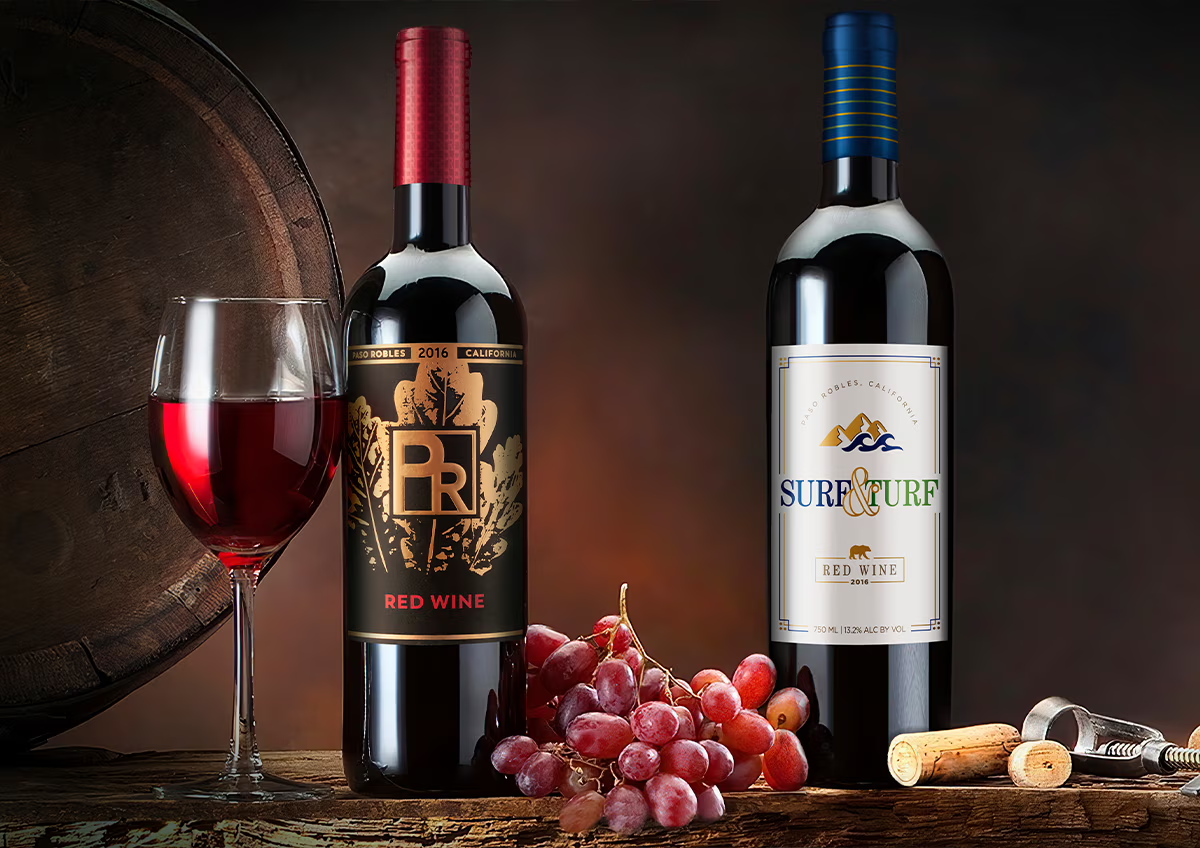
A look at the trends influencing wine packaging design & innovation. Introduction U.S. wine total volume is expected to remain relatively flat for the next several years, while value will grow due to price increases and the persistence of the premiumization trend. In the crowded and increasingly challenging wine market, effective package design can help a brand get noticed and appeal to consumers. This report looks at several key trends impacting wine package design, from authentic storytelling to interactive engagement to environmentally and socially responsible solutions. Authenticity According to a recent GlobalData study, three out of four consumers consider product/brand authenticity essential or nice to have when making purchase decisions. This attitude is especially true among older generations and higher-income earners, a key demographic for wine sellers. Authentic brands are perceived as genuine, original, and transparent, providing quality assurance and trust. Euromon
00
The Marketing Behind Come Over October Hopefully, by now, you’ve seen some wineries participate in Come Over October, a new program launched to benefit the wine industry. Our industry is facing a critical shift where the cultural narrative around wine is being scrutinized. At the same time, loneliness and isolation are now at epidemic levels, and the simple act of sharing wine, which has always been a catalyst for connection, seems to be losing its place. The goal of Come Over October, launched by wine journalist Karen MacNeil and PR veterans Gino Colangelo and Kimberly Noelle Charles, is to counter these trends. The idea is simple: encourage friends, family, and colleagues to “come over” in October to share a bottle and reconnect. It’s not about fancy wine pairings or breaking the bank—just using wine as a focus to celebrate being together in an increasingly disconnected world. The wine industry, as always, adapts to challenges, and this campaign is a re
00


Afternoon Brief: How TikTok Could Transform the Wine Industry
Within hours of TikTok announcing that it would allow alcohol advertising in North America, alcohol companies began running recruitment ads for TikTok specialists. Whats surprising is how few wine companies joined in...
The Wine Marketing CouncilWomen for WineSenseDavis EstatesDr. Liz ThachCalifornia Grape Rootstock CommissionCaymus VineyardsDry Fly Distilling Inc.Patrick DonovanHands Across The ValleyNapa Farm BureauMendocino WinegrowersMendocino County Fair Wine CompetitionWillamette Valley VineyardsParallel Wine BarCome Over OctoberLytton Springs VineyardEnolyticsQuintessentialRobert Pepi Jr.Dr. Konstantin FrankArrow&BranchSriti Misra FusilloAlex GambalWineFiAaran DanielWine HooligansBevZeroAndavi SolutionsGuala Closures North AmericaTexas Hills VineyardsLove Cork ScrewHead Over HeelsLangeTwins Family Winery and VineyardsResurrection BrandsViña Concha y ToroLaylo
00
2023 Wine Industry Sales Symposium Next Week ! The conference will take an in-depth look at how the wine category is performing, what the key indicators could mean for sales in the future, and will touch on every aspect of sales and marketing efforts. In addition, the event will discuss 3-Tier and Direct channel strategies, packaging innovations, pricing and public relations. Topics will cover: • Data-Driven Insights: Sales Trends and Predictions • Adapting Your PR Strategy for an Evolving Media Landscape • Leveraging DTC Sales Insights to Grow Sales Nationally • Strategies & Tactics for Engaging New Wine Enthusiasts • The Process of Designing Next-Gen Packaging • What Artificial Intelligence Can Do for Your Wine Brand • Growing Your DTC Sales Without the Traffic • Keys Growth in a Flat Wine Market: Balancing Retention & Acquisition Session panels will feature industry professionals
00
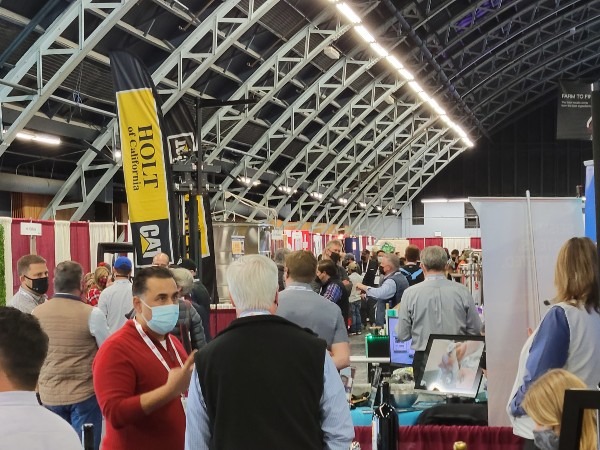
A successful live conference and trade show caters to all sectors of the wine trade Healdsburg, CA, December 6th, 2021 – After a two year hiatus, Wine Industry Network (WIN) hosted the 9th Annual North Coast Wine Industry Expo (WIN Expo) at the Sonoma County Fairgrounds on December 2. The trade show and conference was the largest in-person gathering of wine industry professionals since March of 2020. The WIN Expo increased its focus on educational content, providing 15 informational sessions focussed on Strategy & Leadership, Production & Winemaking, Sales & Marketing and Viticulture & Grapegrowing, alongside the trade show which featured nearly 300 exhibitors showcasing the latest products and services available. Strategy & Leadership kicked off the day with detailed insight about the State of the North Coast Wine Industry, as Brian Clements of Turrentine Brokerage spoke to current trends in the bulk wine market; Dale Stratton from Azur Associates
12

This Earth Day, we wanted to take some time to reflect on how label material and printing decisions can influence the environmental impact of wine, craft beer, spirits, CBD, and other products. Many of our customers are working to do their part to reduce the impact their processes and products have on the environment. One oft-overlooked—but simple and highly valuable—way to make your products more green? Consider eco-friendly label materials. In the recycling process, labels are removed and either added to the landfill pile or separated into the paper recycling area. If you’ve gone green on everything else but your label, you’re needlessly increasing your environmental impact. With advancements in technology, the recycled and recyclable materials perform just as well as traditional materials. So fears about adhesiveness, condensation, bubbling, and branding can be thrown away (or, should we say, recycled). One of our suppliers, Wausau, has seen a rise in demand
10