
Filter Post Type
NewsVideoProductEventLink
Sort:
Most Recent
1–10 of 81

August 26, 2026
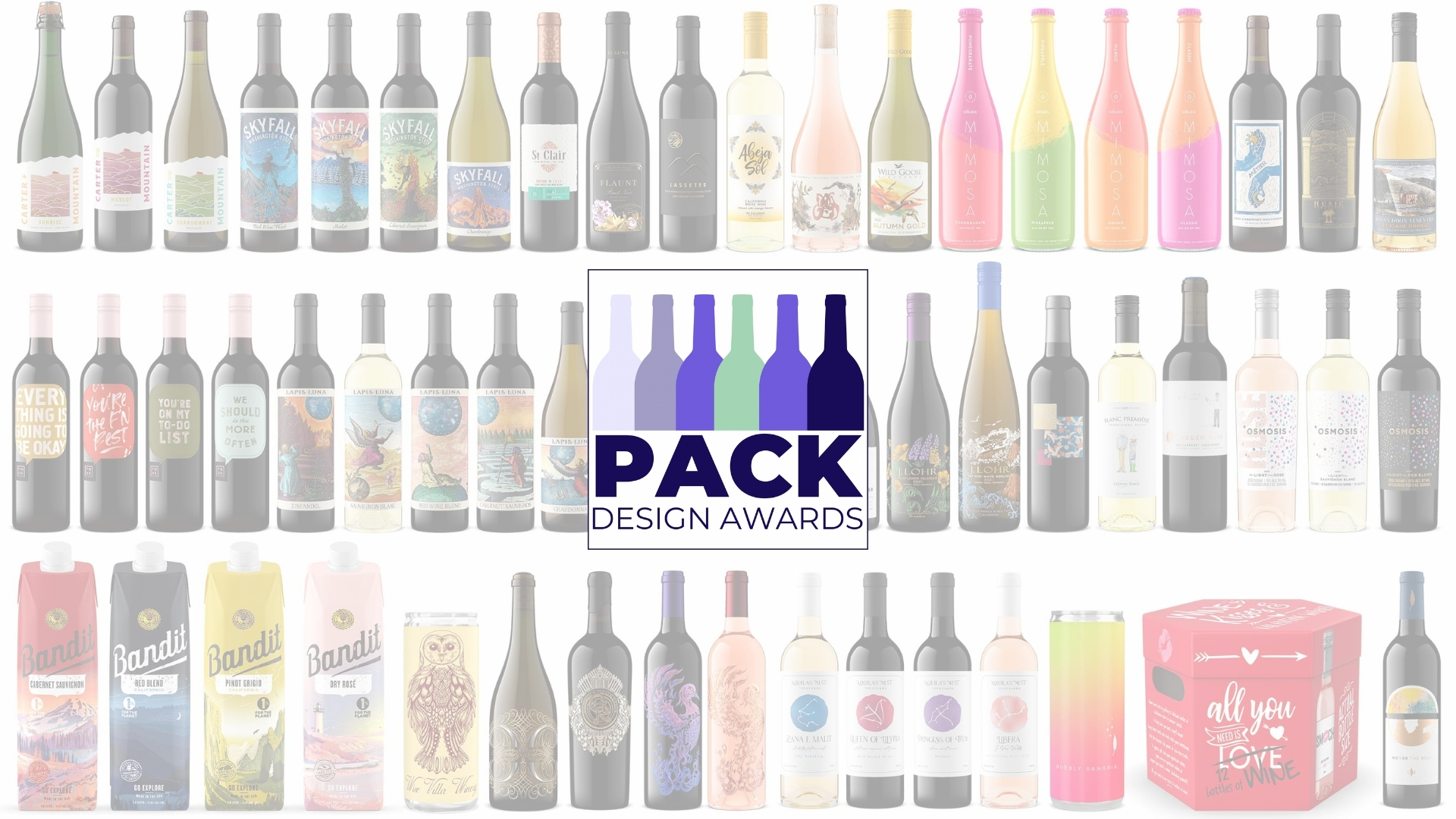
Congratulations to Riboli Family Wine Estates, Jada Vineyard & Winery, and Highlands 41 — one Silver and three Bronze across three categories. Every year, the Wine Business Monthly Pack Design Awards put wine packaging in front of a panel of industry buyers, marketers, and designers who judge it the way a consumer would: on the shelf, in the hand, in context. This year, four packages built on Encore Glass bottles came home with awards. We supplied the glass. The vision, the design, and the courage to go somewhere unexpected belong entirely to our partners — and we couldn't be prouder to have played a part. Package images throughout this article were created by Outshinery, the official imaging partner and sponsor of the WBM Pack Design Awards. Silver: Best Package Design Series OPAQUE Earth Elements | Riboli Family Wine Estates Three Paso Robles Wines, Darkness, Malbec, and Zinfandel, each wrapped in its own black-on-black texture: storm clouds, marbled stone, fract
00


One crucial step in winemaking is the process of selecting an appropriate glass bottle. Why? Because a wine’s identity is greatly influenced by its glass bottle. Often, the content of the bottle takes center stage in conversations and articles rather than the bottle itself. However, our attention today will be on elevating your wine packaging, specifically how wine bottles are packaged for distribution. In the last few years, wine packaging has experienced a radical shift. The invention of cans, tetra packs, and other packaging materials and innovations have changed the way producers think about wine packaging. However, glass bottles remain the traditional and preferred method for wine packaging. A typical wine bottle is made of glass and is available in a variety of sizes and forms. However, most wines are commonly packaged in 750 mL glass bottles. Glass bottles have been used for hundreds of years for wine packaging and have proven to be quite beneficial. However, this has not alway
00
Most of the wineries I talk to (which is dozens every week) claim the thing that sets them apart from other wineries is their wine. Theirs is grown a special way on a special hill in a special part of the world. But according to Liz Mercer, Winery Coach, Content Developer, and Instructor at WISE, that's not what separates the wineries that are growing from the ones that are standing still. After helping educate winery teams, consulting with DTC leaders, and conducting nearly 7,000 mystery shops, Liz’s experience and recommendations follow one consistent pattern: The wineries seeing the most success have built a culture around customer data. "The number one distinguishing factor is they have a strong culture of data capture, and they do something with it. They're building their mailing lists and they're using their tasting room as a launchpad for a long-term relationship." So what happens when wineries emphasize learning, understanding, and treating the customer like a friend? In short,
00

July 27, 2026
There is, for good reason, a lot of reporting right now on climate change and how it's affecting the grape harvest. Everywhere you look, wine regions are experiencing harsher-than-normal conditions. It would be easy to write a post about how hot it is and stop there. But, I want to pick out something else: this is a story of climate volatility, not just heat. A Cold Night in Bigfork, Montana This hit home for me in 2022, when I was asked to evaluate a future winery, and existing vineyard in the Bigfork area of Montana. Two years earlier, in 2020, the growing season had been warm, and the owners felt good about what climate change might mean for grape growing that far north. But, climate change isn't just hotter weather. It's climate volatility. In that same warm year, Montana got a sudden, early, catastrophic cold event. The weather through September and into early October 2020 stayed mild, highs in the mid-50s, with only two nights that dipped to freezing. Because of that, most of the
00
July 23, 2026
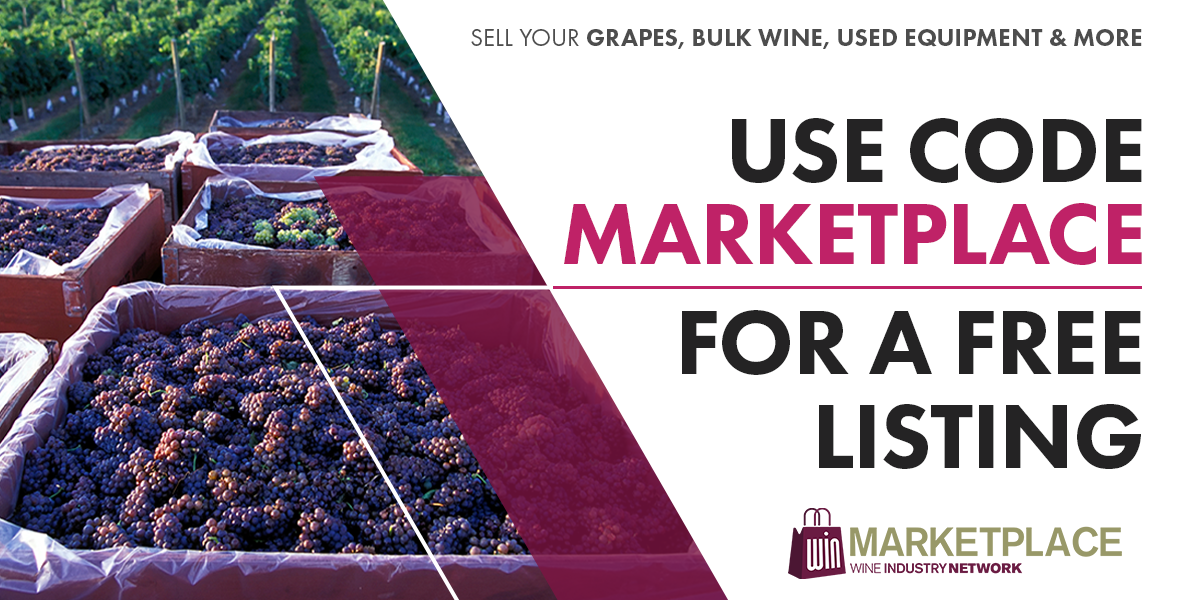
Great Pinot Starts with Great Fruit Pinot Noir has never been the easiest grape to grow. That's precisely what makes it so rewarding. From its delicate clusters and thin skins to its remarkable ability to express site, Pinot Noir has earned a reputation as one of the wine world's most terroir-driven varieties. The right vineyard can produce wines of extraordinary elegance, making vineyard selection one of the most important decisions a winemaker can make. Now that we're in late July, harvest planning is entering its final stretch. Crop estimates are becoming clearer, wineries are locking in production plans, and the remaining fruit opportunities are beginning to narrow. Listings like this give buyers the chance to source premium Pinot Noir while there's still time to secure fruit for the 2026 vintage. View Listing Every winery has a vision for the wines it wants to create, but that vision starts with finding the right fruit. Whether you're searching for Pinot Noir, Cabernet Sauvignon,
00
June 16, 2026
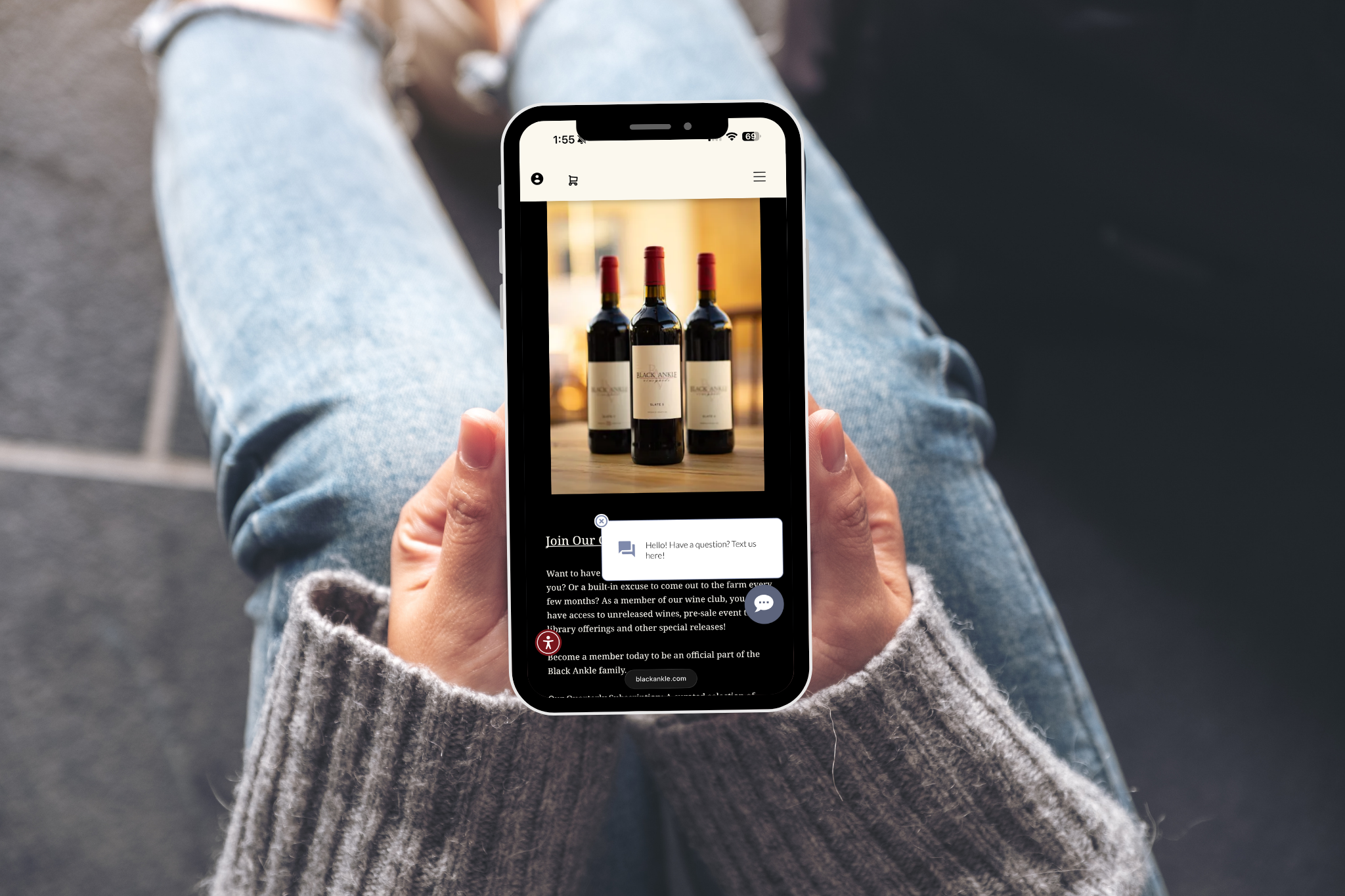
Text messaging has evolved far beyond promotional blasts and last-minute event reminders. Today's most successful wineries are using SMS throughout the customer journey—from recovering wine club declines and improving shipping success rates to collecting customer feedback and driving allocation sales. The result is a more personalized customer experience, stronger retention, and measurable revenue growth. During a recent discussion with RedChirp and our mutual client, Black Ankle Vineyards, we explored how wineries are using SMS to create more meaningful customer interactions at every stage of the DTC journey. Black Ankle's Emma Pope shared several real-world examples of campaigns that have driven engagement, streamlined communication, and generated measurable results—offering a valuable look at how modern wineries are putting text messaging to work. While every winery's audience and goals are different, several clear themes emerged. The most successful programs aren't simply sending m
11

The games are far apart and the ticket prices astronomical, so while the United States gets to play co-host with Canada and Mexico to this summer’s FIFA World Cup, most of us will be watching the matches from home. Four years ago, 1.5 billion people watched the final between Argentina and France. This time should be poised to bring in even more viewers. This year’s tournament will involve 48 teams from around the globe, the largest ever number to compete, growing from what used to be 32. That means lots of games to take in, with 12 groupings of 4 countries each kicking things off on June 11 for what is known as the Group Stage. The United States is in Group D and will play each team in its group to qualify for the Knockout Stage. It plays Paraguay June 12 in Los Angeles; Australia June 19 in Seattle; and Turkey June 26 in Los Angeles. Eventually, that 48 number goes down to 32 – the Knockouts start June 28. The pace quickens from there, with that Round of 32 dwindling
00

The concept of Oxidation Reduction Potential – or ORP – isn’t revolutionary science; it’s been known throughout the winemaking and brewing communities for more than 80 years. ORP measures electron pressure; the tendency of a system to gain or lose electrons. Positive ORP, an electron-accepting process, creates an oxidizing environment, while negative ORP, an electron-donating reaction, creates a reducing environment. The effects of ORP chemical reactions on fermentation processes have been observed for decades. What’s groundbreaking for today’s modern winemaking community is that two top-notch, fermentation specialist companies have teamed up on the ability to accurately measure ORP dynamics in wine must, which vastly improves the potential for production winemaking controls across the board. Gusmer Enterprises, the leading manufacturer, supplier and innovator of products and services to beverage industries since 1924, is partnering with Hamilton Company, global pioneer in process ana
00
March 16, 2026
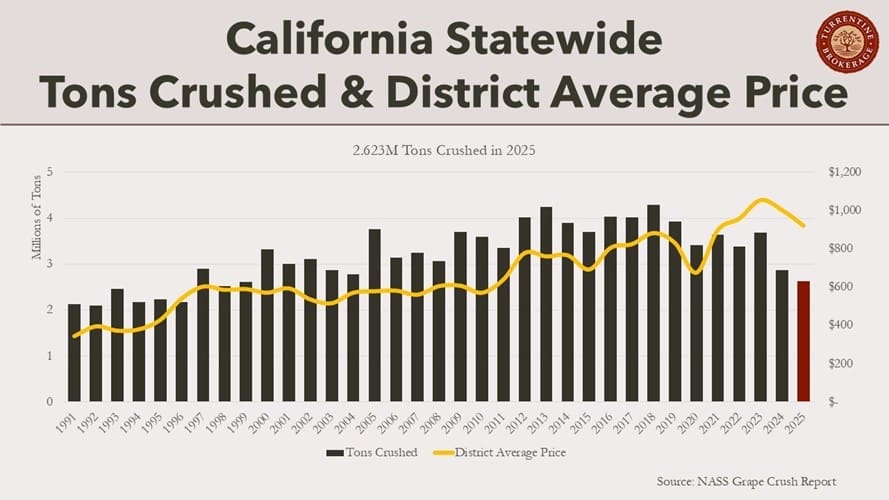
March 13, 2026 (Novato, CA) — Following the release of the Preliminary 2025 California Grape Crush Report, Turrentine Brokerage, the largest California grape and bulk wine brokerage company, has issued a market assessment characterizing the 2025 vintage as one of the most challenging for the wine industry since Prohibition. According to the new state data, the total tons crushed came in at 2.62 million tons, a figure that is above initial projections and well above what was felt by the industry. This statewide volume is 8% below 2024 and 23% below the 5-year average. Total red wine production declined by 9% and white wine production declined by 6%. “The decrease in tons is still very positive news for the industry overall,” said Steve Fredricks, President at Turrentine Brokerage. “The 2025 vintage highlights the industry’s directional shift of declining production and an overall restructure of the industry. 2025 represented continued challenges for grower
00
March 4, 2026
Papapietro Perry Winery and Four Roses Bourbon Take Top Honors (March 6, 2026) — Winners have been announced in the fifth annual Los Angeles Invitational Wine & Spirits Challenge. A pinot noir from Papapietro Perry (Sonoma County, Calif.) and a small batch bourbon from Four Roses Distillery (Lawrenceburg, Ky.) topped their fields to be named Best of the Best. The competition was established in 2022, in conjunction with Los Angeles-based beverage professionals (representing both the on- and off-premise channels), to highlight the best of the best wine and spirits producers in the world, and to introduce those producers to the largest market of consumers in the United States. Judging took place February 18-19, 2026. Competition this year was stellar, says event producer Debra Del Fiorentino of Wine Competitions Management & Production: “Year after year, our judges continue to be impressed with the depth in each category. The quality of product was fantastic!” Wh
00