
Filter Post Type
NewsVideoProductEventLink
Sort:
Most Recent
Tagged:corksy
1–10 of 111
November 4, 2026
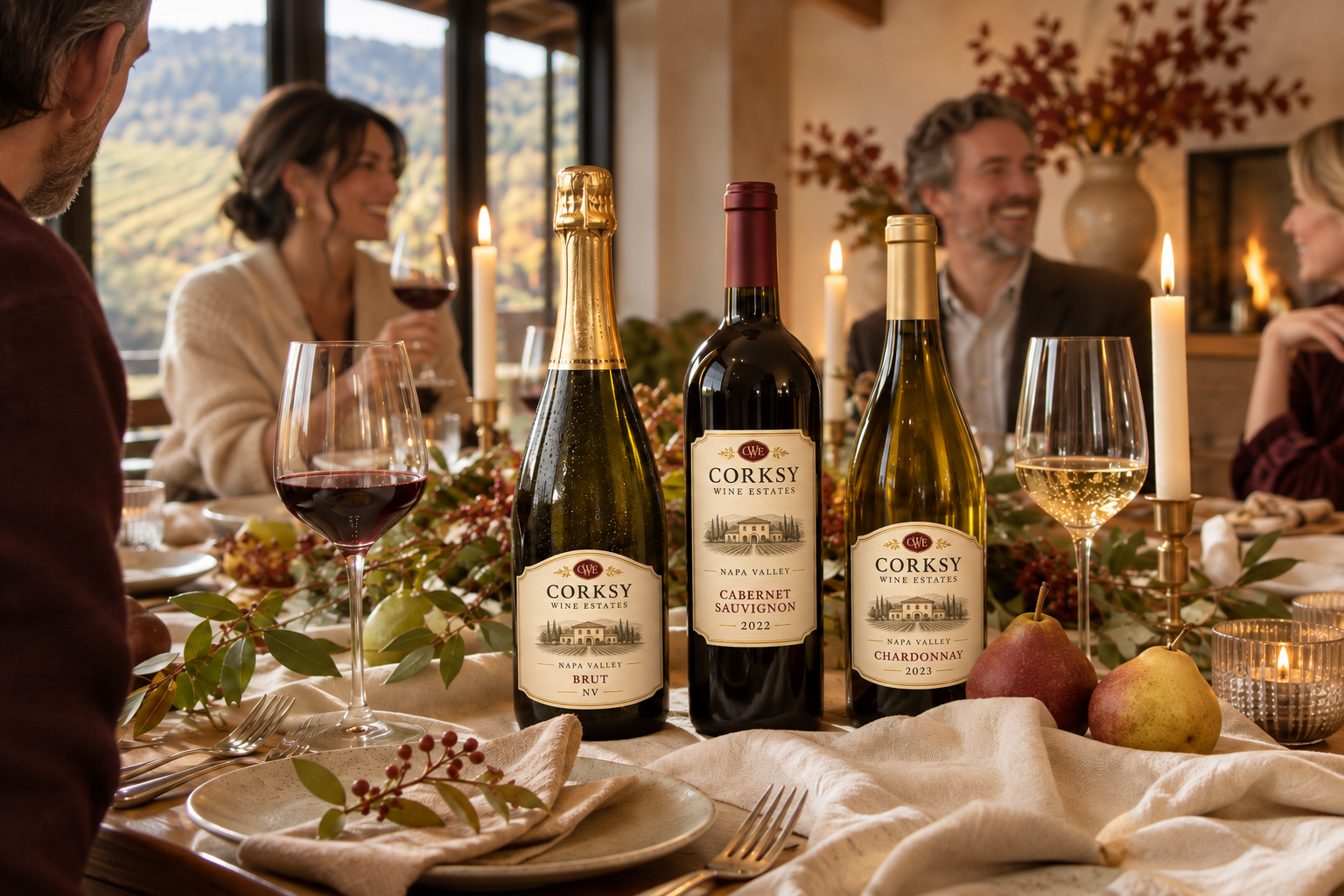
Black Friday is November 27, and Cyber Monday is November 30. If your winery is still finalizing its holiday offers, you have time. But with a few weeks left, I would focus on getting a handful of things right. What do you want customers to buy? Who has a reason to buy it? And what would make that purchase easier? A strong winery Black Friday and Cyber Monday campaign brings together thoughtful wine bundles, relevant customer segments, shipping offers you can afford, and a website that makes buying easy. The discount is one part of that. Decide what each holiday offer should accomplish Before choosing a percentage, decide what you want the promotion to do. Are you trying to move a typical three-bottle purchase to six? Bring back customers who have not ordered since spring? Sell a limited library selection? Help someone finish their client gifting? Those are different goals. They need different offers. In my earlier article, Black Friday for wineries: Bundle before you discount, I cove
00

A holiday offer only works when a shopper can see it, understand it, and buy it in a few taps. By October, winery teams are juggling harvest, club shipments, holiday events, and a dozen other priorities. Then someone opens the Black Friday conversation with the question I hear every year: Are we doing 20 percent off or 25 percent? The percentage is one tool inside the strategy. Too often it becomes the whole thing because it is fast to build and easy to explain internally. Black Friday exposes weak merchandising quickly. A strong offer can still lose the sale when the gift set has no image, the discount only appears at checkout, or the holiday collection is buried under three menus. The job is to make the right purchase feel obvious. Give the offer a job The best holiday offers I have watched help the customer finish a specific task. Someone needs wine for a gathering, several polished client gifts, or a personal gift despite knowing very little about wine. In practice, the strongest
00
October 7, 2026
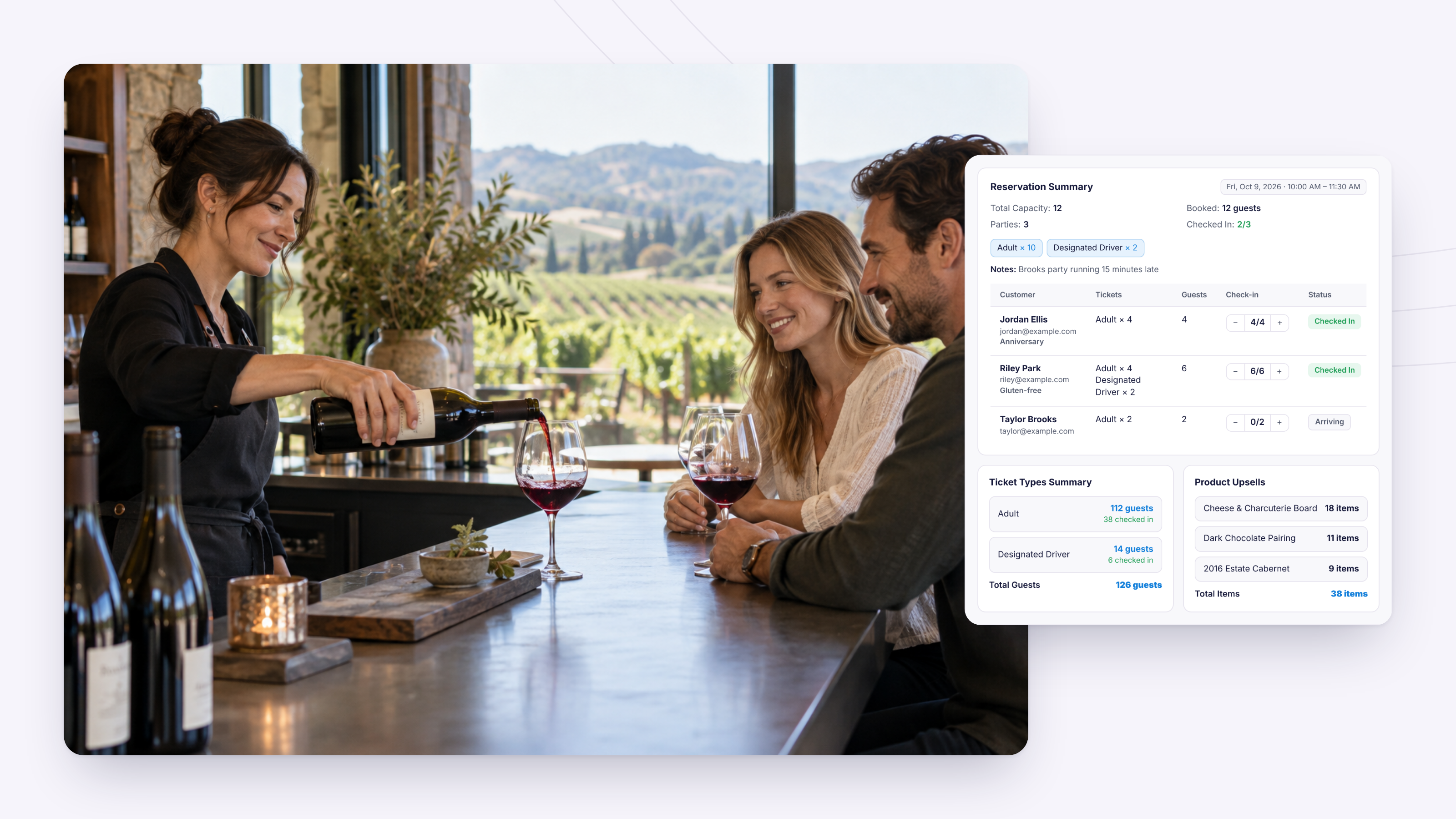
A club member books a tasting, adds a cheese board, and mentions an anniversary. By the time they arrive, your host should know all three. How many systems does your team have to check to make that happen? For wineries, that is where reservations become a bigger business question: how easily does a booking connect to everything your team needs to deliver the visit? wait so for that opening what part comes after that third line? Replace the original opening through “But can your team see all of that when the guest walks through the door?” with those three paragraphs. Then transition into Corksy like this: A club member books a tasting, adds a cheese board, and mentions an anniversary. By the time they arrive, your host should know all three. How many systems does your team have to check to make that happen? For wineries, that is where reservations become a bigger business question: how easily does a booking connect to everything your team needs to deliver the visit? A standalone bookin
00
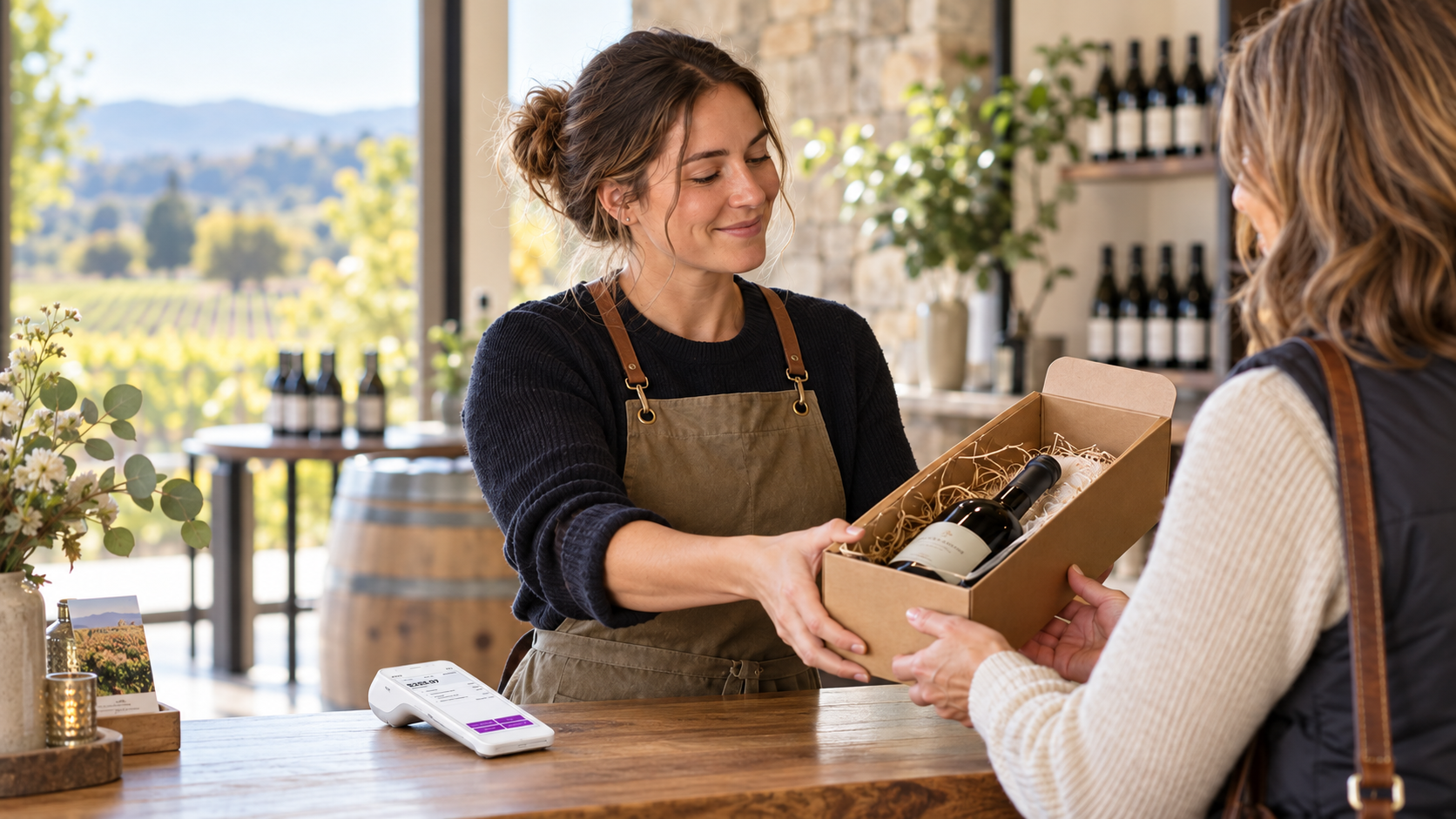
A winery can send a beautiful holiday email, feature the right bottle, and get a customer all the way to checkout. Then the customer notices the gift message field is missing. Or they can’t tell whether the order will arrive in time. Or the wine they wanted was already committed to the next club shipment. These sound like small operational details. To the customer, they are the holiday shopping experience. As wineries plan for OND 2026, I’d spend less time asking, “What campaigns should we run?” and more time asking, “Can we deliver on every promise those campaigns make?” That question connects marketing to inventory, the tasting room, the wine club, and fulfillment. Here’s how to put it to work. Choose offers your whole team can stand behind Start with last year’s holiday orders. Look at what sold, what customers added to club shipments, and which gifts required the most back-and-forth from staff. Then check those opportunities against the inventory you’ll actually have available. A w
00
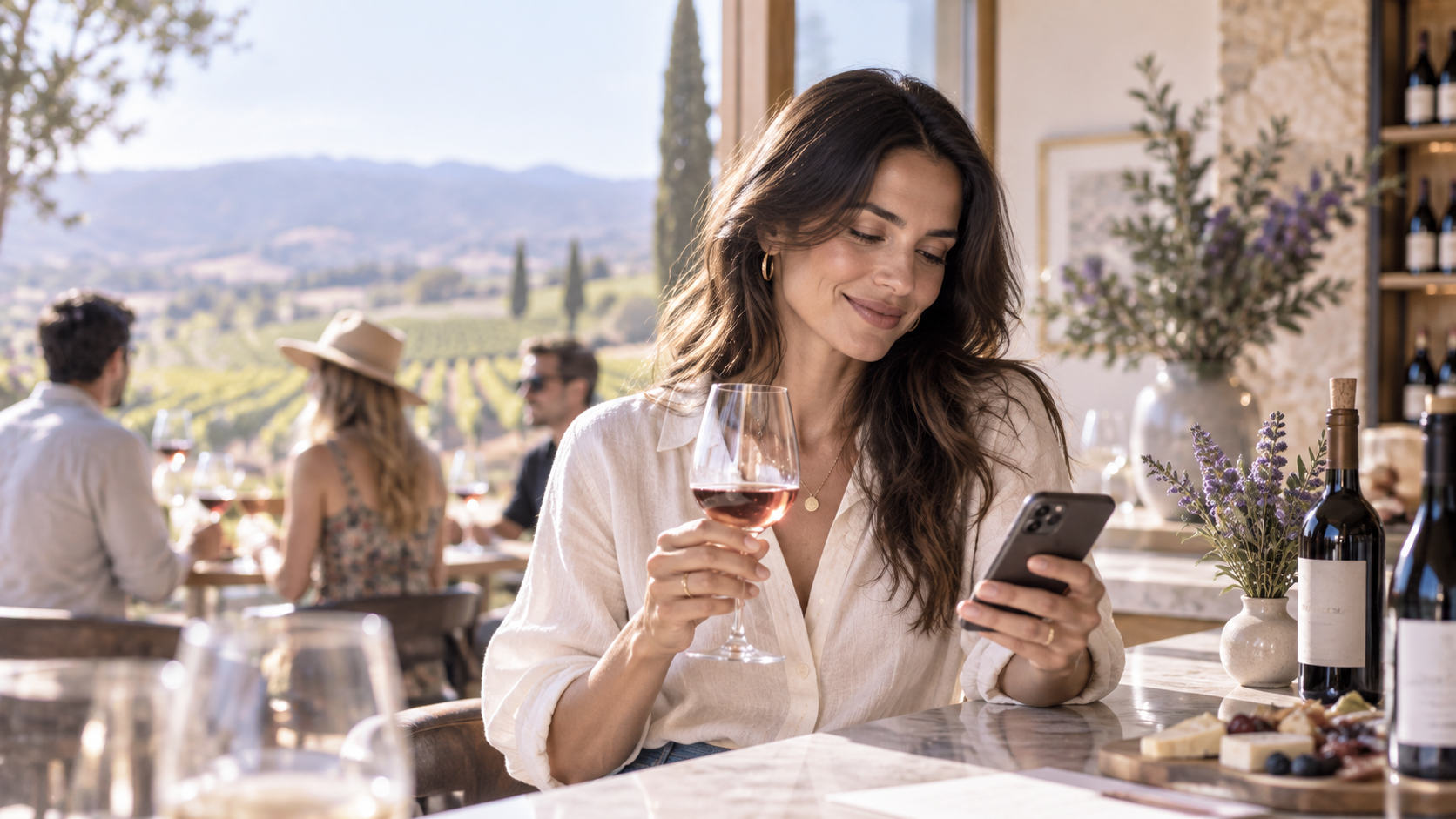
Winery DTC technology has changed considerably over the years, but so has the customer journey it needs to support. For a long time, the winery direct-to-consumer model followed a fairly predictable path. A guest visited the tasting room, had a great experience, joined the wine club, and stayed connected through allocations, events, email offers, and return visits. That path still exists, and the tasting room remains one of the most valuable customer acquisition channels available to wineries. But it is no longer the only way consumers build relationships with wine brands. Today, a customer's first interaction with your winery may happen long before they walk through the tasting room door—or they may never visit at all. They might discover a bottle at a restaurant, see it in an Instagram post, hear about it from a friend, encounter your winery while planning a trip, search for a varietal or region online, receive a bottle as a gift, or come across your brand in an online wine community
00
September 2, 2026
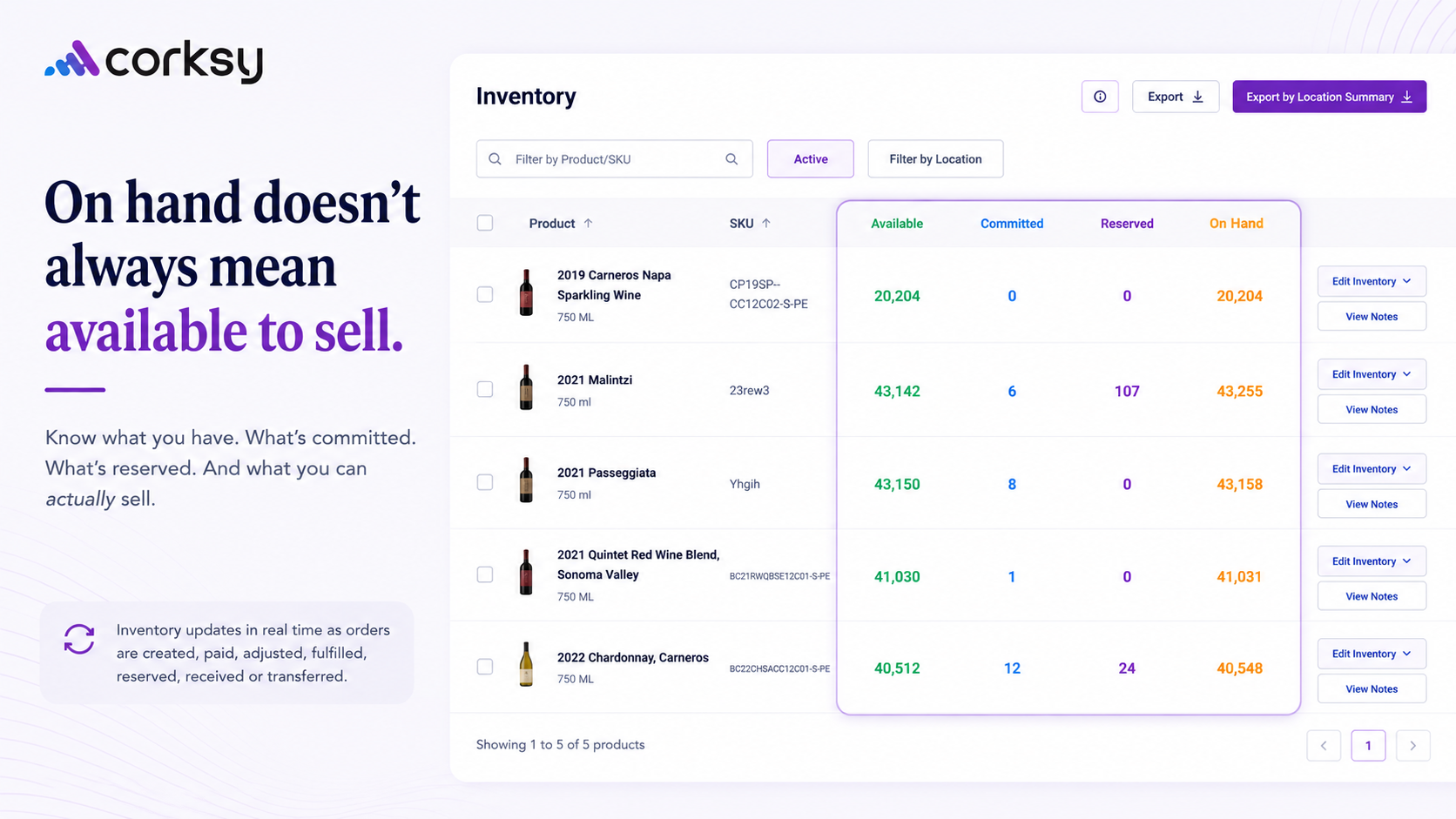
For wineries, inventory has never been quite as simple as the number of bottles sitting in the warehouse. But as DTC programs have expanded across ecommerce, tasting rooms, wine clubs, multiple locations and fulfillment methods, knowing what you have has become increasingly different from knowing what you can actually sell. That distinction matters operationally, but it also matters for revenue. A wine can show 500 bottles on hand while some of those bottles are already committed to online orders, others are reserved for an upcoming event or release, and still others may be sitting at a location that doesn’t supply the sales channel trying to sell them. If every team is working from the same “500 bottles” number, the winery doesn’t really have inventory visibility. It has a physical count. The Four Numbers Behind Better Inventory Visibility One useful way to think about modern winery inventory is through four different numbers: Available: Stock that can be sold right now. Committed: St
00
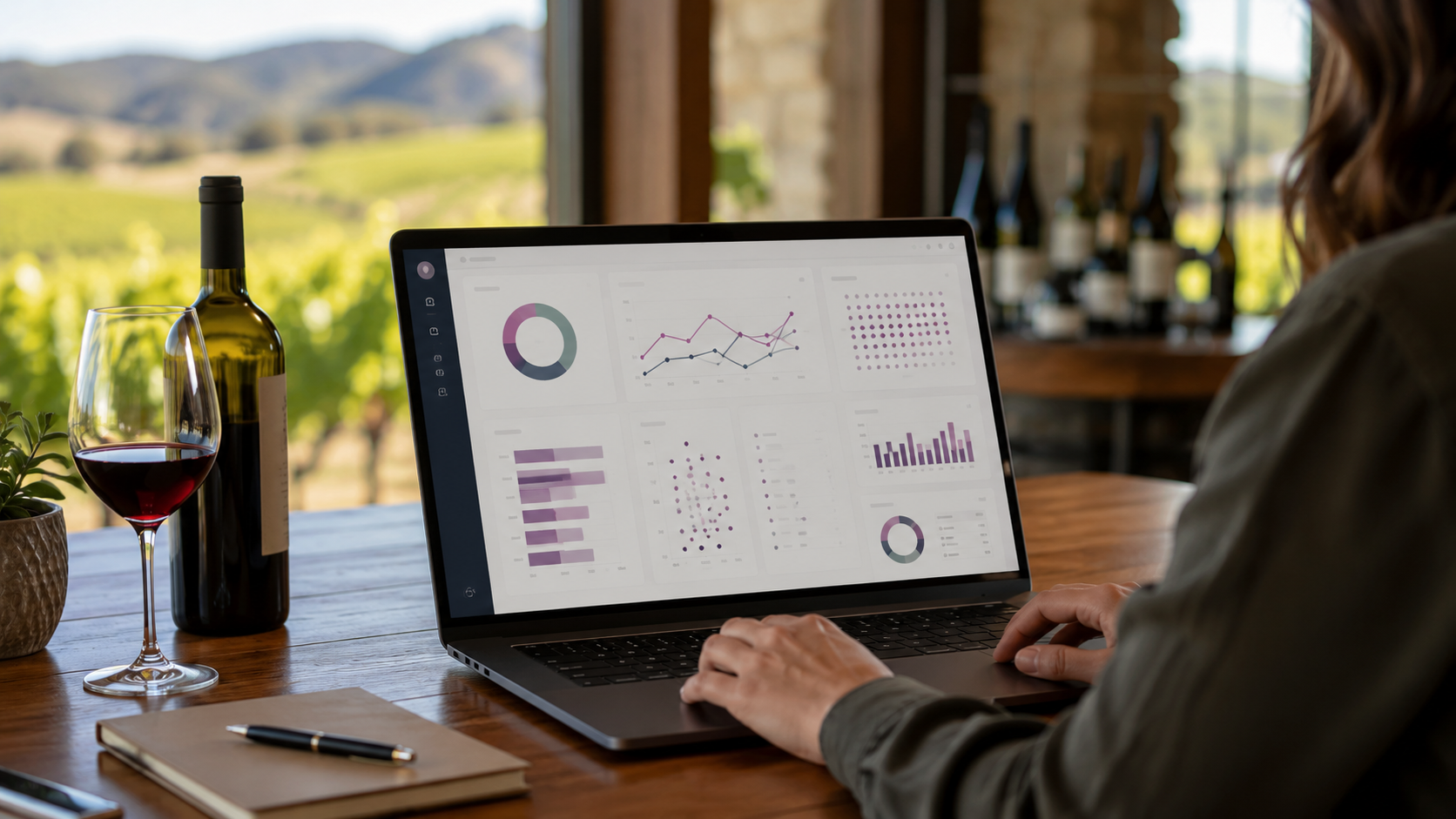
AI is quickly becoming part of the day-to-day toolkit for winery teams. But while writing emails, brainstorming social posts, and creating content may be the easiest places to start, some of the biggest opportunities for wineries are in the customer data they already have. Your winery is already collecting information across e-commerce, wine club, POS, email and SMS, tasting room visits, shipping, events, and customer profiles. AI can help make that information easier to analyze—and, more importantly, easier to act on. During our recent webinar with Sovos ShipCompliant, How AI Is Helping Wineries Improve Wine Club Retention & Reduce Customer Friction, we explored practical ways wineries can begin using AI across their DTC business. The biggest takeaway: you don't need an AI strategy to get started. You need a good business question. How Can Wineries Use AI? At its core, AI is very good at identifying patterns across large amounts of information. For a winery, that means you can mo
00
August 10, 2026
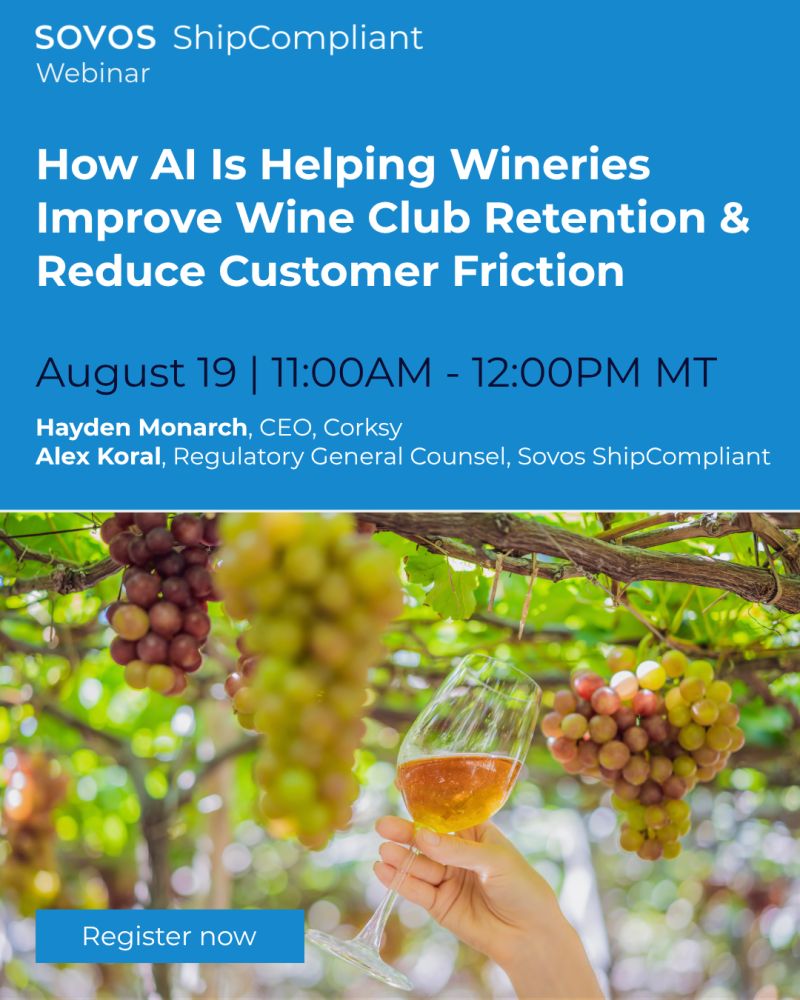
Event Type: Webinar
Location: Irvine, CA
Date: 8/19/2026 — 10:00 AM to 11:00 AM
Artificial intelligence is changing the way wineries understand and engage with their customers. While content generation is in the spotlight, the biggest opportunity isn't using AI to write content—instead, it's using AI to uncover insights from the customer, club, and shipping data wineries already have. Join Corksy and Sovos ShipCompliant for a practical discussion on how wineries are using AI to identify future club members, improve retention, reduce customer friction, and make smarter DtC decisions. You'll see real-world examples of how AI can turn everyday winery data into actionable insights. In this webinar, you'll learn how to: Identify customers most likely to join your wine club Spot early warning signs of churn and declined payments Analyze shipment deliverability and customer trends Build smarter customer segments and personalized outreach Turn existing winery data into actionable business decisions with AI Whether you're just getting started with AI or looking for
00
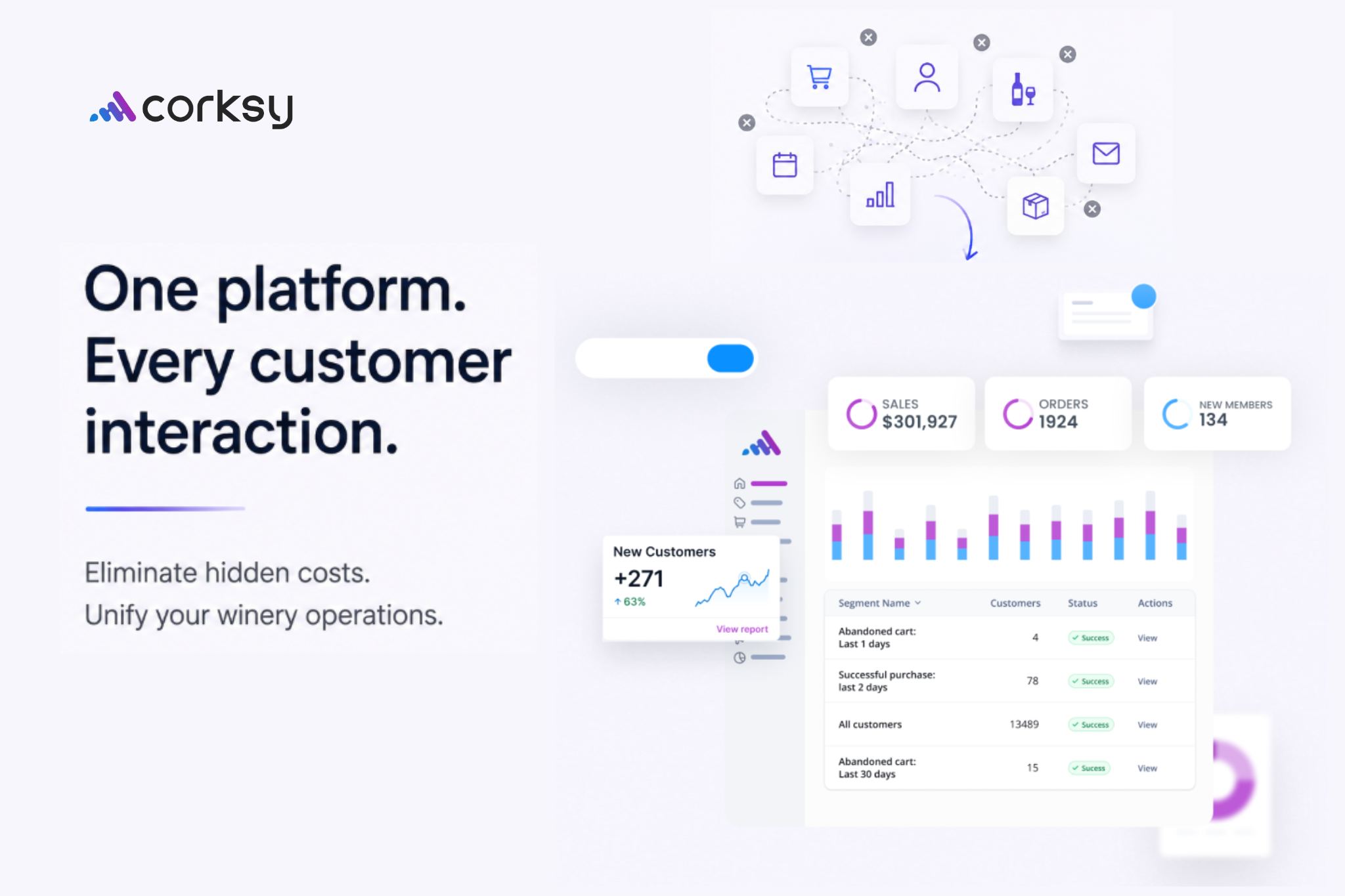
Winery software is designed to connect the core systems wineries use every day—including POS, e-commerce, wine club management, CRM, reservations, reporting, and fulfillment—into one platform. When those systems operate independently instead of together, wineries often experience duplicate customer records, inconsistent reporting, manual administrative work, and higher operational costs. When wineries evaluate new software, the conversation usually starts with subscription costs. How much does the POS cost? What's the monthly fee for the website? Is one wine club platform less expensive than another? Those are important questions, but they rarely tell the whole story. The larger cost is often hidden in day-to-day operations. Every disconnected system introduces another handoff, another spreadsheet, another report to reconcile, and another opportunity for customer data to fall out of sync. Individually these tasks don't seem significant. Collectively they consume hours each week and mak
00
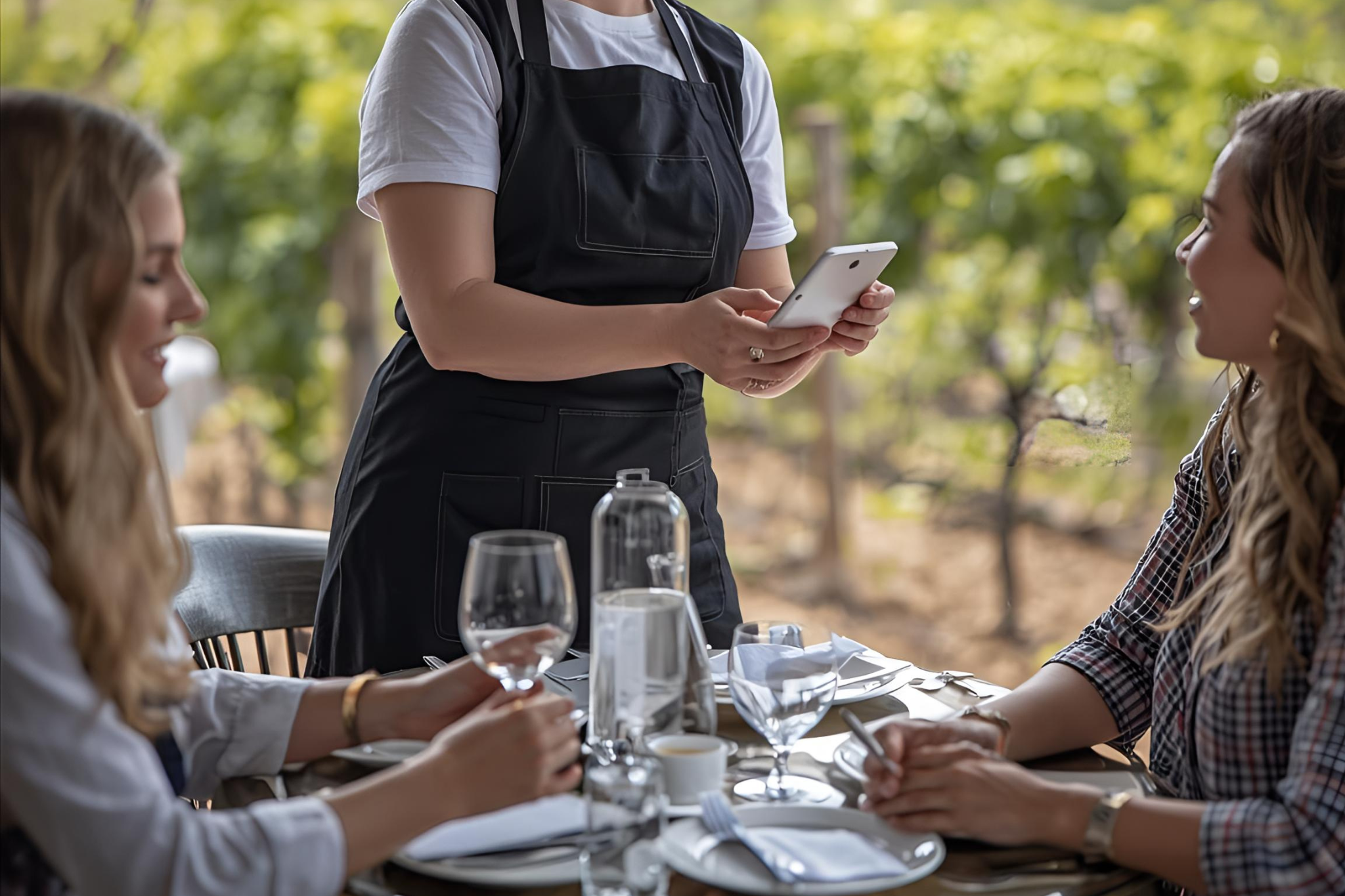
Great wine brings people to your winery. Great hospitality brings them back. Winery hospitality doesn't stop at the tasting bar anymore, and neither should your point of sale. Whether guests are exploring the vineyard, relaxing on the patio, attending a member event, or discovering your wines at a festival, they expect buying wine to be just as easy as tasting it. But many wineries are still using POS systems designed for a single checkout counter, creating unnecessary friction for both guests and staff. A mobile POS changes that. Instead of asking guests to come to the register, it brings the register to the guest, making every interaction faster, more personal, and more connected. Why Flexibility Matters in Winery Service Hospitality is the heartbeat of any winery. Guests expect warm, personal interactions, whether they’re standing at your tasting bar or sipping on a hilltop vineyard tour. A mobile POS ensures every one of those interactions is seamless, connected, and personalized.
00