
Filter Post Type
NewsVideoProductEventLink
Sort:
Most Recent
1–10 of 11

From disease-resistant grape varieties and biological pest management to vineyard technology, soil health, and labor solutions, the 2026 Sustainable Ag Expo is bringing a wide range of research and practical expertise to San Luis Obispo, November 10–11. The two-day program brings together university researchers, growers, and industry professionals to explore the challenges and opportunities shaping California agriculture. With 10.5 DPR hours, including 1 hour of Laws & Regulations, and 15 CCA hours approved, attendees can make progress toward continuing education requirements while gaining insights to take back to their operations. Day 1: New Varieties, Natural Solutions, and Smarter Vineyard Management Tuesday's program opens with a look at the future of winegrape growing. Dr. Michelle Moyer of Washington State University will kick off the Expo with Modern Grape Varieties and Their Role in Sustainable Farming, exploring how disease-resistant grape varieties could change approaches
00
October 20, 2026
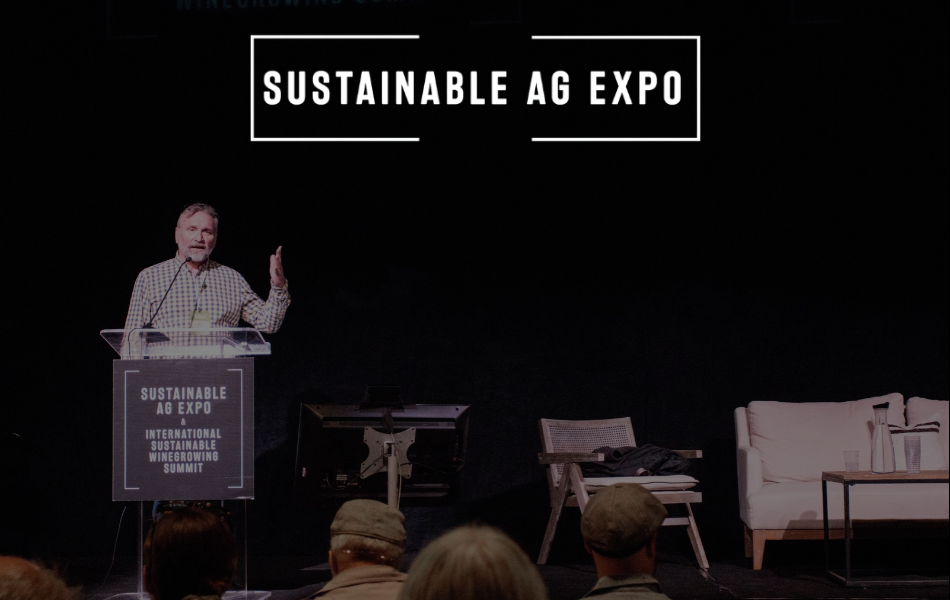
Continuing education should do more than check a box. At the 2026 Sustainable Ag Expo, growers and agricultural professionals can earn DPR and CCA hours while exploring research, technology, and practical strategies they can put to work in the vineyard. Hosted by Vineyard Team November 10–11 in San Luis Obispo, California, the Expo combines two days of expert-led education with online courses available before and after the event, giving two-day ticket holders even more time to learn and earn on their own schedule. Attendees can earn up to 20 DPR and 27.5 CCA continuing education hours through a flexible combination of in-person sessions and online courses. The in-person program offers 10.5 DPR hours, including 1 hour of Laws & Regulations, and 15 CCA hours, with an additional 9.5 DPR and 12.5 CCA hours available online. Put CE Hours to Work The in-person program focuses on research and strategies growers can apply to vineyard decisions today. Dr. Miche
00
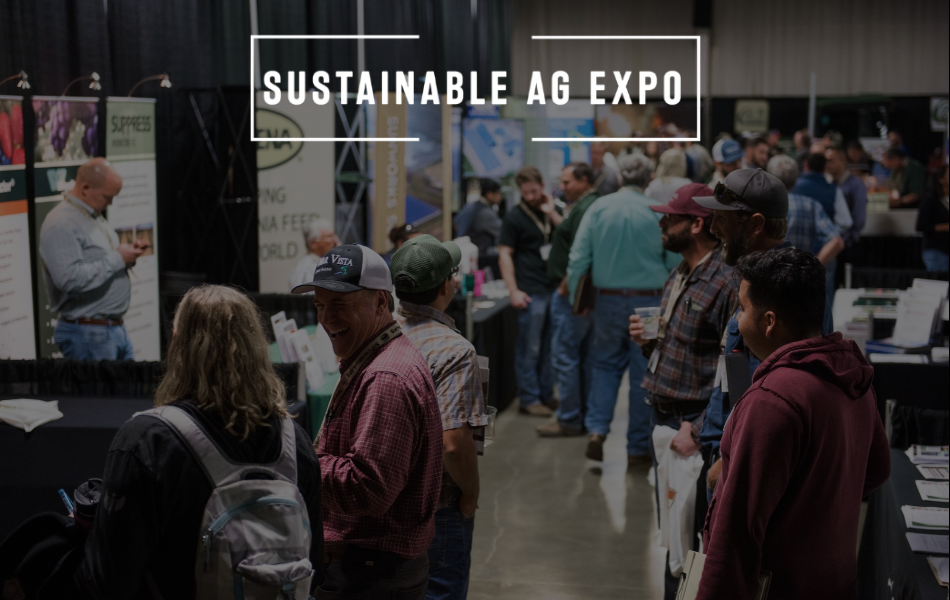
What makes the Sustainable Ag Expo worth stepping away from the vineyard for? Two days of research-backed education, practical solutions, and opportunities to connect with the people shaping the future of winegrowing. Hosted by Vineyard Team, the 2026 Sustainable Ag Expo returns November 10–11 to the Madonna Expo Center in San Luis Obispo, California. The event brings together growers, researchers, pest control advisors, and agricultural professionals for a program designed to address today's vineyard challenges. Continuing Education That Fits Your Schedule The Sustainable Ag Expo makes it easier for agricultural professionals to earn valuable continuing education hours while gaining knowledge they can apply in the field. Two-day registration includes access to both the in-person program and 12 on-demand online courses, offering attendees the opportunity to earn more than 20 combined Department of Pesticide Regulation (DPR) and Certified Crop Advisor (CCA) continuing education hours.
00
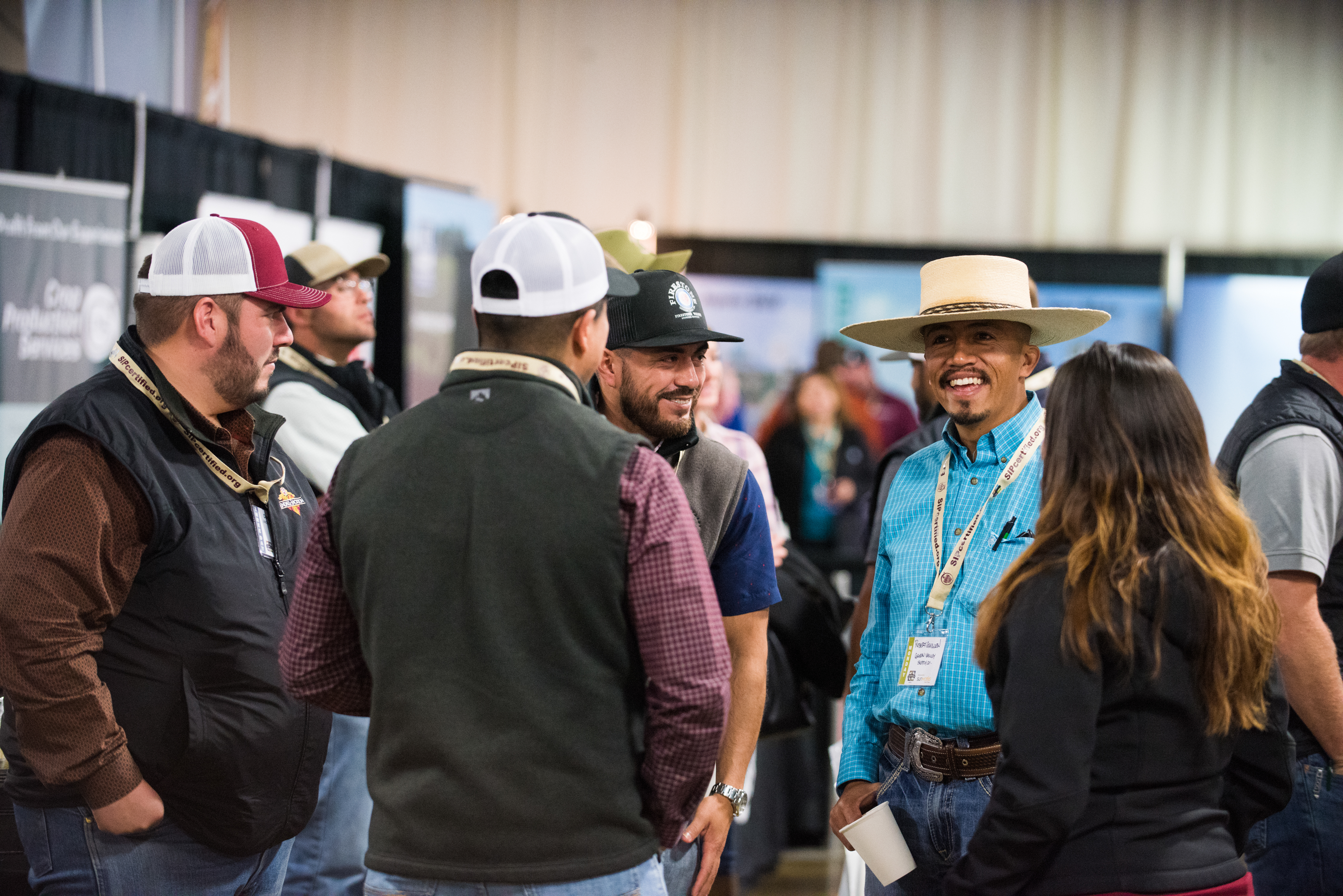
Vineyard Team Connects Growers with the Experts Shaping Sustainable Winegrowing What do modern grape varieties, intelligent sprayers, and biological pest management have in common? Growers can hear from leading experts on each through the Sustainable Winegrowing podcast, then continue the conversation at the 2026 Sustainable Ag Expo. This connection is part of Vineyard Team’s commitment to making timely, research-based education accessible to growers. The Sustainable Ag Expo extends that education through two days of in-person seminars and a tradeshow in San Luis Obispo, California plus on-demand online courses available to two-day attendees before and after the event. Whether listening to the podcast on the road, taking an online course on their own schedule, or connecting with experts in person at the Expo, growers have multiple ways to access sustainable winegrowing experts. "It is obvio
Sustainable Ag ExpoExposustainable winegrowingtrade showcommunitySan Luis ObispoCalifornia WinegrowingIPMSustainable pest managementbiologicalspest management strategieswater conservationsoil healthmodern grape varietiescrop managementsustainable agricultureVineyard TeamSIP CertifiedVineyard Industry ProductsSustainable Winegrowing Podcast
00


How today’s Pinot Noir winemakers can protect quality, improve flexibility, and adapt to a changing wine market. Pinot Noir has never been an easy wine to make at scale. Now, the market is also changing. Wine demand has softened. Buyers are more selective. Younger consumers are drinking differently, want value, sustainability, distinctive flavor. That puts more pressure on every cellar decision. This thin-skinned, delicate variety demands careful control over extraction, oxygen exposure, maturation, oak influence, temperature, movement, and sanitation. Small cellar decisions can change aroma, texture, color, freshness, and balance. The challenge is clear: protect the elegance and character of Pinot Noir while improving cellar flexibility, production efficiency, and margin. More control in the cellar helps winemakers do both. These four practices help winemakers make better Pinot Noir with more control and less waste: 1. Build More Precision into Extraction Pinot Noir rewards restra
00
Join us in November for two days of practical vineyard education, research-backed solutions, and conversations with the growers and experts shaping the future of winegrowing. View the full program >>> https://www.sustainableagexpo.org/conference/program/ This year's program features 30+ researchers and industry leaders tackling the topics growers are asking about most, including: Headliner Session Dr. Michelle M. Moyer (Washington State University) explores how modern grape varieties are reshaping disease management and sustainable farming, followed by a grower panel discussing what these innovations mean in the vineyard. Sponsor: Beckstoffer Vineyards + Additional sessions include: - Biological pest management with Dr. Pam Marrone - Precision sprayer technologies with Dr. Brent Warneke - Soil health insights from Dr. Charlotte Decock - The future of sustainable disease management with Dr. Akif Eskalen - Grower panel on holistic management of vine mealybug & leafroll
00
NAPA, Calif., (Nov. 26, 2025) – VA Filtration Services’ Scientific Approach, Innovative Solutions from Napa Valley At VA Filtration Services, our mission is to empower winemakers to produce wines of the highest sensory quality. One of the challenges in modern winemaking is managing undesirable levels of pyrazines, particularly methoxypyrazines, which can impart green, herbaceous aromas that mask fruit character and complexity. Winemakers are left with two options: cover up the pyrazine (and potentially other attributes) or remove it through advances in pyrazine remediation practices. The Problem: Pyrazines in Wine Methoxypyrazines are naturally occurring compounds in certain grape varieties, such as Cabernet Sauvignon and Sauvignon Blanc. While subtle concentrations can add a sought-after freshness, excessive amounts lead to pronounced bell pepper and grassy notes, often perceived as faults—especially in premium reds. Often pyrazines present in wine due to enviro
00

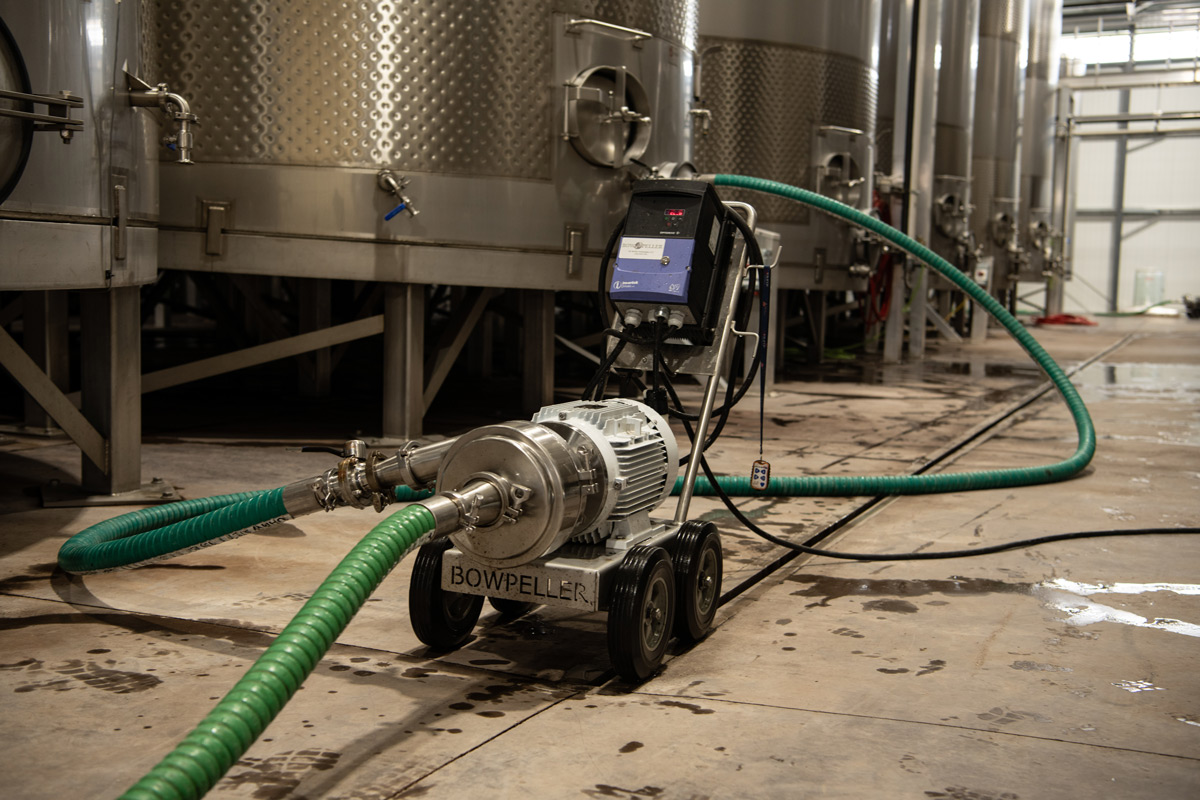
The right tools can make a winemaker's job easier and craft a better product. But staying abreast of technological advancements takes time, and testing alternative tools requires repetition to build confidence in the results. Perhaps that’s why so many winemakers rely on the winemaking community for recommendations on new ways to process grapes and create wines. McFinn Technologies’ Bowpeller pump has earned a reputation as a superior choice for gently moving juices, especially during pump overs. Its modern design delivers low-shear, non-disruptive juice handling that minimizes damage to skins and seeds, helping to avoid harsh tannin extraction or oxidation and improving wine quality. Bowpeller pump at Duckhorn's Goldeneye winery “A standard centrifugal pump has blades that slap the liquid and make it change direction by 90 degrees and a casing that allows damaging re-circulation,” says John McGinn, co-owner of McFinn Technologies. “The design
10

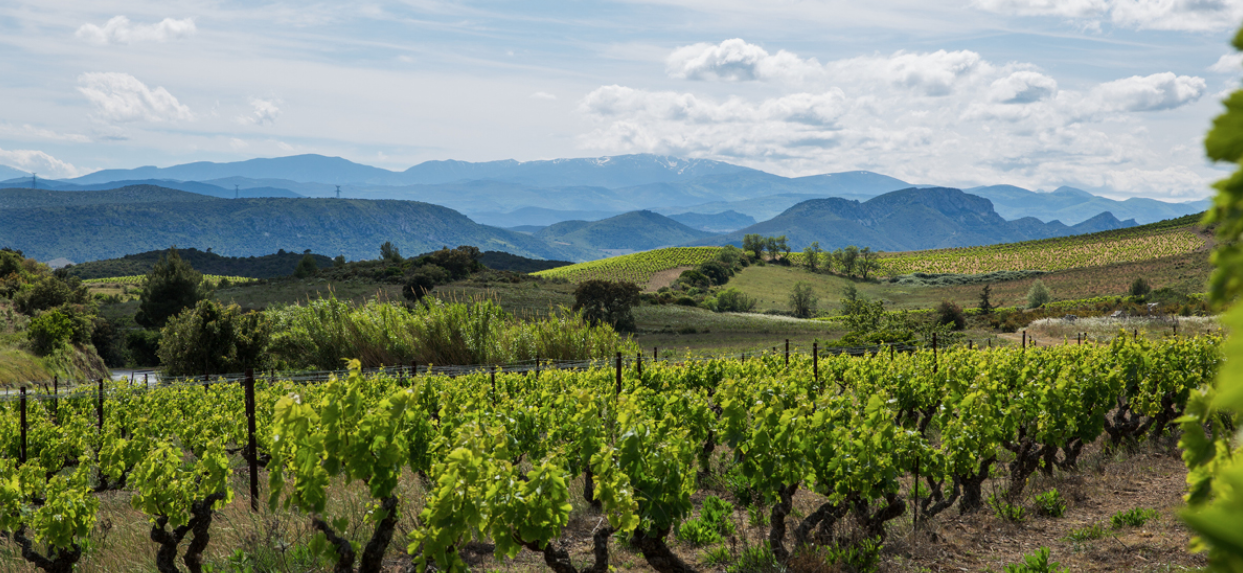
How Analytical Insights Help Craft Fine Languedoc Wine By Drinks Business Magazine In this Drinks Business article from 2024, the magazine reports on how FOSS analytical technology has helped Gérard Bertrand to maintain high quality in its award-winning wines. Putting aside the oft-referenced factors of unique terroir, prestigious grape varieties or generations of experience, how does one make fine wine? The solution is increasingly found in small tabletop equipment that look more at home in a laboratory than an ancient cellar. For the last 25 years, FOSS Analytics has been producing such technology and helping winemakers get the best from their grapes. Though the technology is complex, the premise is simple. By checking the chemical makeup of the wine-to-be, whether must, fermenting juice or a wine ready for bottling, winemakers can act quickly and precisely to make the best possible product. Using a FOSS machine, one can measure up to 30 parameters from a single sa
00

October 28, 2020
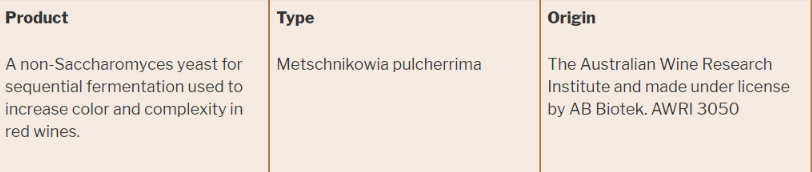
What does yeast fermentation have to do with wine quality?
Absolutely everything! A significant difference between grape juice and wine is the yeast. In winemaking, yeast converts the sugars of wine grapes into alcohol and carbon dioxide. Yeasts also modify or create many of the flavors and aromas in wine as well. This process is what we know as fermentation.
Winemaking is a craft because there are so many aspects of the whole process that need to be balanced. Depending on the flavor profile a winemaker wants to achieve, they must carefully select not only their grapes, but also their yeast strain to make a polished, finished wine. Blake Bomben, accomplished winemaker and Business Development Manager for our Fermented Beverages Department, said, “Yeast choice and oak selection are the two dominating choices a winemaker has in affecting the quality and outcome of their wine”
Quality and innovation from AB Biotek helps winemakers make better quality wine
10