
Filter Post Type
NewsVideoProductEventLink
Sort:
Most Recent
1–10 of 26
November 4, 2026

The 2026 Sustainable Ag Expo may wrap up November 11, but the opportunities to learn and earn continuing education hours continue well beyond the event. Two-day Expo ticket holders have access to a collection of on-demand online courses through December 13, 2026, giving growers and agricultural professionals additional time to explore research, discover new management strategies, and earn DPR and CCA hours at their own pace. The online program complements the Expo's two days of in-person seminars and trade show in San Luis Obispo, extending the educational experience beyond the conference. More Time to Learn, More Opportunities to Earn Busy schedules shouldn't stand in the way of continuing education. With online courses available through December 13, attendees can fit additional learning around vineyard operations, revisit topics of interest, and work toward their continuing education requirements without having to complete everything during the event. Courses feature researchers and
00

From disease-resistant grape varieties and biological pest management to vineyard technology, soil health, and labor solutions, the 2026 Sustainable Ag Expo is bringing a wide range of research and practical expertise to San Luis Obispo, November 10–11. The two-day program brings together university researchers, growers, and industry professionals to explore the challenges and opportunities shaping California agriculture. With 10.5 DPR hours, including 1 hour of Laws & Regulations, and 15 CCA hours approved, attendees can make progress toward continuing education requirements while gaining insights to take back to their operations. Day 1: New Varieties, Natural Solutions, and Smarter Vineyard Management Tuesday's program opens with a look at the future of winegrape growing. Dr. Michelle Moyer of Washington State University will kick off the Expo with Modern Grape Varieties and Their Role in Sustainable Farming, exploring how disease-resistant grape varieties could change approaches
00

October 20, 2026
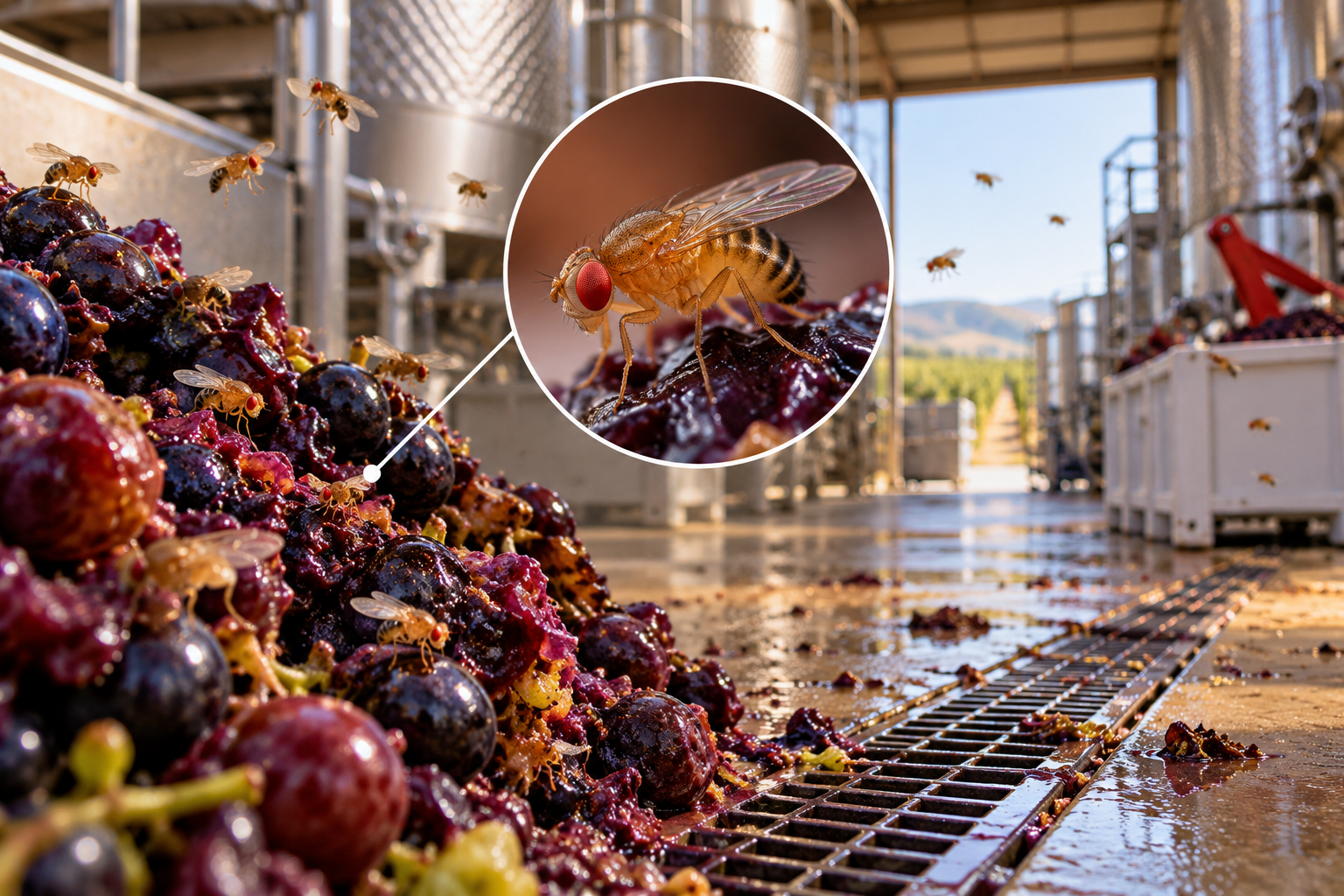
If you've dealt with fruit flies during crush, you know how quickly a minor nuisance becomes a major contamination risk. These pests multiply exponentially, turning your crush pad into a breeding ground within days. Why Fruit Flies Are a Serious Threat Fruit flies aren't just annoying - they're a food safety risk. They contaminate surfaces and can introduce spoilage organisms. During audits, visible fruit fly activity triggers violations. A single female can lay up to 500 eggs. In warm conditions, those eggs hatch in 24-30 hours. Within a week, you can go from a few flies to thousands. Prevention Starts with Sanitation Immediate Cleanup: Hose down crush pads, sorting tables, and fermentation areas daily. Eliminate the organic matter flies need to breed. Waste Management: Empty bins frequently and keep lids sealed. Don't let pomace sit exposed. Drain Maintenance: Clean floor drains regularly. Flies breed in organic buildup in drain traps. Seal Entry Points: Keep doors closed when possib
00
October 20, 2026
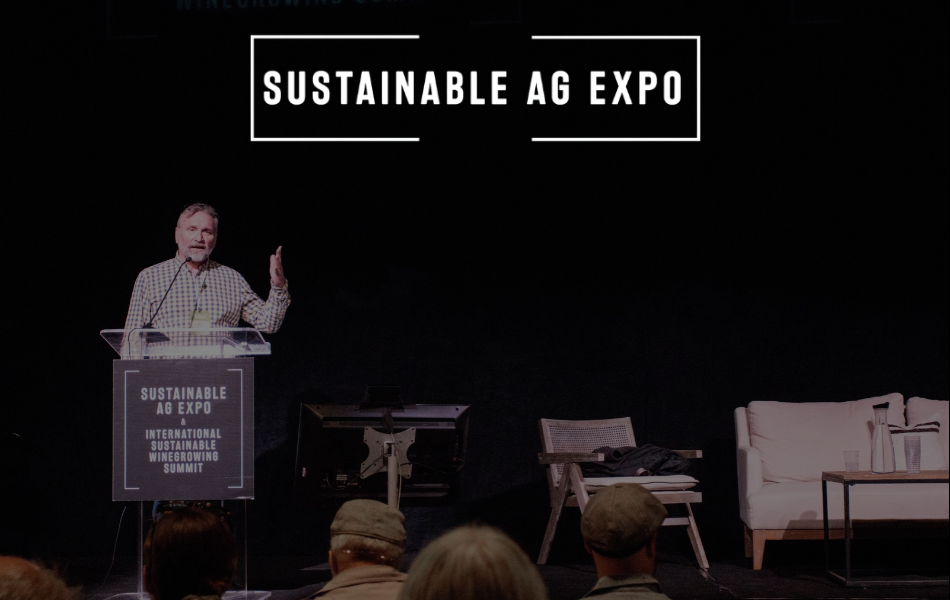
Continuing education should do more than check a box. At the 2026 Sustainable Ag Expo, growers and agricultural professionals can earn DPR and CCA hours while exploring research, technology, and practical strategies they can put to work in the vineyard. Hosted by Vineyard Team November 10–11 in San Luis Obispo, California, the Expo combines two days of expert-led education with online courses available before and after the event, giving two-day ticket holders even more time to learn and earn on their own schedule. Attendees can earn up to 20 DPR and 27.5 CCA continuing education hours through a flexible combination of in-person sessions and online courses. The in-person program offers 10.5 DPR hours, including 1 hour of Laws & Regulations, and 15 CCA hours, with an additional 9.5 DPR and 12.5 CCA hours available online. Put CE Hours to Work The in-person program focuses on research and strategies growers can apply to vineyard decisions today. Dr. Miche
00
October 19, 2026
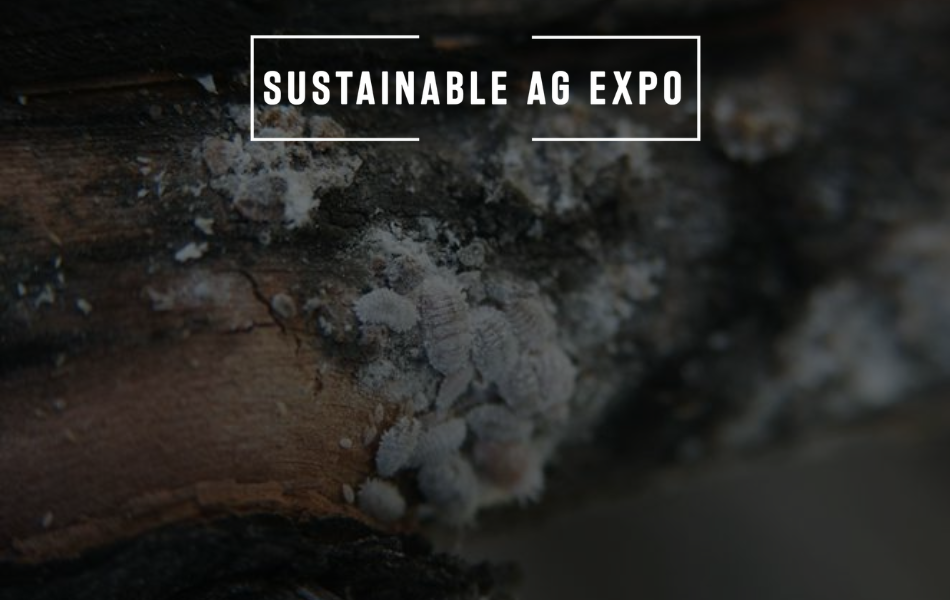
Vine mealybug may be small, but managing it takes a big-picture approach. At the 2026 Sustainable Ag Expo, researchers and growers will come together for an afternoon exploring the latest science, biological control strategies, regional coordination, and real-world experience managing one of California vineyards’ most persistent pests. The afternoon starts with a tri-tip lunch, followed by two hours dedicated to vine mealybug and the leafroll complex. From predators and parasitoids to coordinated programs and grower experience, the sessions look beyond a single treatment to explore how different management strategies can work together. Start with Tri-Tip, Stay for the Mealybugs From 12:00–1:00 PM, attendees can grab a provided tri-tip lunch, visit the trade show, and connect with fellow growers and industry professionals before settling in for an afternoon of pest management education. Then at 1:00 PM, Dr. Monica Cooper of UCANR will present Biological Control and Coordinated Regional
00

September 22, 2026

Wine growers in Sonoma County and throughout California face a familiar challenge: maintaining clean vineyard floors while reducing reliance on conventional herbicides. Though more diversified weed management strategies have traditionally been associated with organic and regenerative farming, interest in such approaches has recently grown throughout the industry. This evolution is being driven by several factors, including evolving regulations, consumer expectations, and a growing focus on soil stewardship and ecosystem resilience. Rather than relying on a single tool, today's most effective weed management programs emphasize integration. Growers are combining cultural practices such as cover crops, mechanical methods including mowing and cultivation, and targeted herbicide applications to create systems that are both productive and sustainable. Bioherbicides are becoming increasingly important components of these programs. By providing additional modes of action, they help growers div
00

Vineyard Team Connects Growers with the Experts Shaping Sustainable Winegrowing What do modern grape varieties, intelligent sprayers, and biological pest management have in common? Growers can hear from leading experts on each through the Sustainable Winegrowing podcast, then continue the conversation at the 2026 Sustainable Ag Expo. This connection is part of Vineyard Team’s commitment to making timely, research-based education accessible to growers. The Sustainable Ag Expo extends that education through two days of in-person seminars and a tradeshow in San Luis Obispo, California plus on-demand online courses available to two-day attendees before and after the event. Whether listening to the podcast on the road, taking an online course on their own schedule, or connecting with experts in person at the Expo, growers have multiple ways to access sustainable winegrowing experts. "It is obvio
Sustainable Ag ExpoExposustainable winegrowingtrade showcommunitySan Luis ObispoCalifornia WinegrowingIPMSustainable pest managementbiologicalspest management strategieswater conservationsoil healthmodern grape varietiescrop managementsustainable agricultureVineyard TeamSIP CertifiedVineyard Industry ProductsSustainable Winegrowing Podcast
00
August 25, 2026
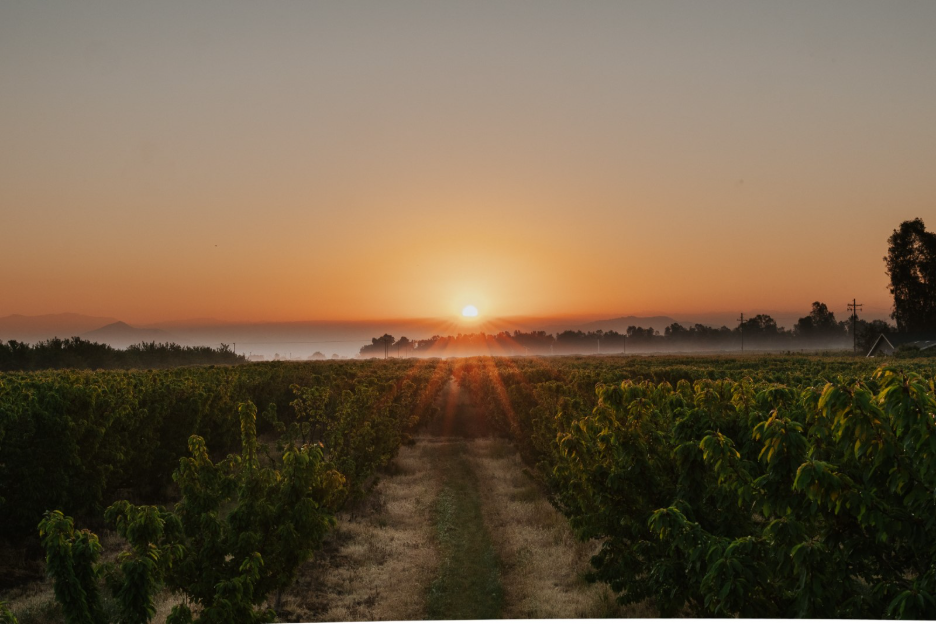
As growers explore regenerative agriculture, the conversation often centers on soil management, cover crops, reduced disturbance and more diversified production systems. But there is another practical challenge that remains constant: weeds still need to be managed. (photo by Foreverlasting Films LLC) That reality is prompting an important shift in thinking. Rather than searching for a single product to replace a conventional herbicide in every situation, growers can look at weed management as a system, using different tools where they make the most agronomic sense. Recent research illustrates why this integrated approach matters. A study published in Weed Science evaluated alternative weed-control methods over two growing seasons in citrus, olive and vineyard systems. Researchers examined several approaches, including contact herbicides, selective herbicides, mowing and cover-crop residues, and found that performance varied by crop, weed species and management practice. The research re
00
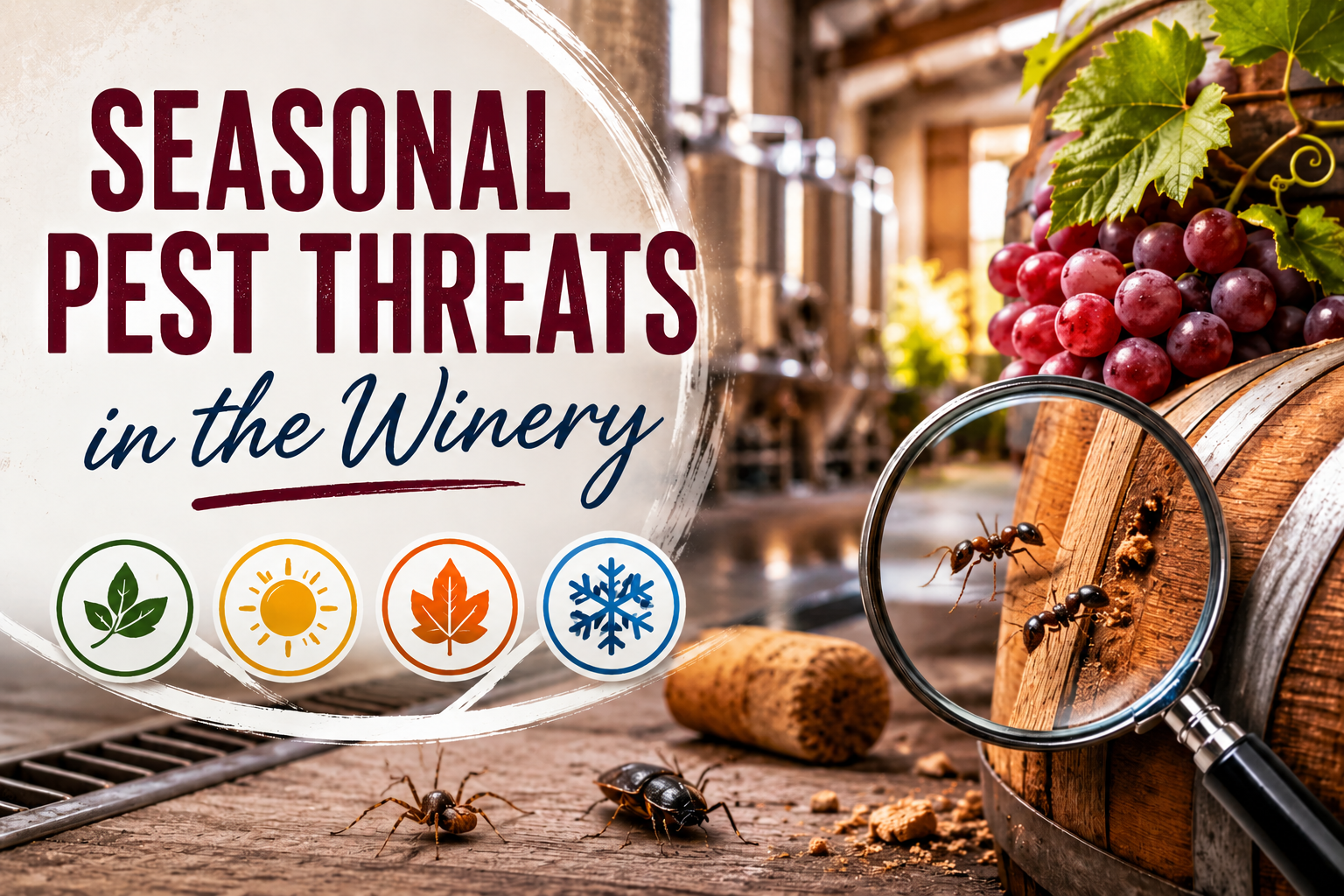
Pest pressure in California wine country shifts with the seasons. Understanding these patterns helps you stay proactive, protecting your facility year-round. Spring: Awakening Activity As temperatures rise, overwintering pests become active. Ants begin foraging, rodents emerge, and birds build nests. Gophers and ground squirrels damage irrigation lines and vine roots. Action: Conduct facility inspections to seal entry points. Address burrowing rodents before populations explode. Install bird deterrents. Summer: Peak Pressure Warm weather brings peak activity for flying insects, ants, spiders, and wasps. Tasting rooms see increased foot traffic that can introduce pests. Action: Maintain rigorous sanitation. Monitor for ant trails. Ensure door sweeps and screens are in good repair. Fall/Crush: The Critical Window Harvest brings the year's highest pest risk. Fruit flies are drawn to fermenting grapes. Rodents seek food and warmth as temperatures drop, infiltrating buildings during your bu
00
June 11, 2026
From the Vineyard to the Future of Organic Farming to include three “Organic Field Days” during the month of July Napa Valley Grapegrowers (NVG) will host the 2026 Organic Winegrowing Conference on July 29th, and has introduced a new educational format that takes growers directly into the vineyard to explore the future of organic farming and sustainable winegrowing practices. Titled From the Vineyard to the Future of Organic Farming, the month-long program will feature a series of Organic Field Days on three consecutive Wednesdays throughout the Napa Valley, culminating in the Organic Winegrowing Conference on Wednesday, July 29 at The Culinary Institute of America at Copia in downtown Napa. The Organic Field Days will occur on July 8 at Baldacci Family Vineyards focusing on soil fertility, July 15 at Quintessa covering beneficial insects and pest management, and July 22 at an Opus One trial vineyard discussing ground cover. Design
00