
Filter Post Type
NewsVideoProductEventLink
Sort:
Most Recent
1–10 of 70

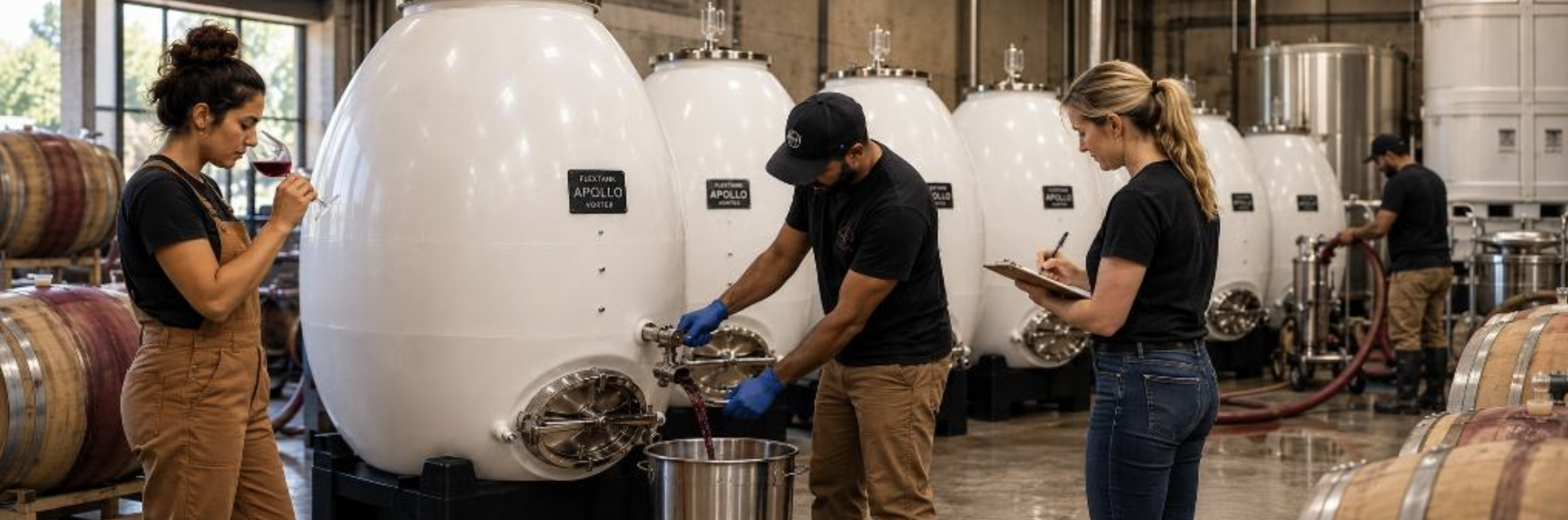
Vortex vessels use natural movement, oxygen permeability and egg-shaped geometry to support active fermentation and aroma development. Fermentation is a dynamic process. Juice or wine constantly changes as yeast consumes sugar, releases carbon dioxide and creates heat. Inside a conventional vessel, movement can slow and yeast can settle. Egg-shaped vessels create a different fermentation environment. Curved geometry promotes natural convection. Fermenting liquid circulates continuously. Yeast remains in suspension longer. Yeast stays in greater contact with the fermenting wine or cider throughout the vessel. Greater circulation and yeast contact keep fermentation active, strengthen aroma development and influence the character of the finished wine or cider. 1. The Egg Shape Keeps Fermentation Moving Egg-shaped vessels promote natural convection during fermentation. Heat and rising CO2 help move liquid through the vessel. Curved walls encourage continuous circulation and
00

As harvest begins to wind down and wines move out of primary fermentation, one question comes up frequently: When is a wine actually considered done fermenting? Primary, or alcoholic, fermentation is the conversion of sugars into alcohol and carbon dioxide. While every winemaker has their own target for glucose/fructose, a wine technically needs to be below 2 g/L Glu/Fru before it is considered unable to spontaneously re-ferment. Most winemakers typically target below 1 g/L Glu/Fru. Then there’s malolactic fermentation (MLF). MLF involves lactic acid bacteria converting malic acid into lactic acid and is generally used for red wines, while being more of a stylistic choice for whites. For wines going through MLF, the general completion threshold is under 0.2 g/L malic acid. For winemakers targeting less than 0.10 g/L malic acid, an enzymatic confirmation is necessary to accurately measure those very small concentrations. One other important reminder during harvest: a wine does not need
00


We’re proud to highlight growers who are helping shape the future of agriculture. As we continue growing better together, our latest story comes from Australia’s vineyards. Gorton Drive Estates is a family-owned vineyard situated on the banks of Kangaroo Lake in Victoria’s Swan Hill region. The estate is managed by second-generation viticulturist Chris Dent. They have been cultivating high-quality wine grapes on the property since 1969. Chris, who oversees all aspects of the operation to supply high-quality wine grapes commercially, shared his experience with Heino Malan, our Riverina & Mallee Territory Manager. 1. What challenges were you facing in your irrigation or crop management before using Phytech? You don't know what you don't know! We had a number of capacitance probes located throughout the vineyard and used them in conjunction with other irrigation decision tools including weather forecasts, vine growth stage, physical appearance, dig stick, etc to determine irrigation
00

July 17, 2026

Sonoma County’s 2026 winegrape harvest is officially underway—and much earlier than most wineries anticipated. The first grapes were picked in the Russian River Valley on July 16, marking the county’s earliest start to harvest in at least 40 years. While the first picks were Pinot Noir destined for sparkling wine, the news serves as an important reminder for wineries throughout the region: Crush can arrive quickly, and every part of the facility needs to be prepared. For cellar teams, an accelerated harvest means adjusting production schedules, staffing and equipment plans. It also means making sure one of the winery’s most critical—and often overlooked—systems is ready for the sudden increase in activity: wastewater treatment. Why an Early Crush Matters for Wastewater Treatment Winery wastewater changes dramatically with the production calendar. Tank and barrel cleaning, equipment washdowns, bottling, floor washing and other cellar activities can generate large volumes of wastewater w
00


HARVEST SPECIAL LIMITED TIME DISCOUNT 5% OFF WineLab Touch Plus, receive 10 FREE 10-pack of Test Kits Offer valid through July 31, 2026, not valid on the WineLab Jr. Contact Sales Rep for full details CUSTOMER SUCCESS STORY “The CDR WineLab has improved my workflow by providing me results in a very fast and efficient manner. Normally, it took doing wet labs with a cash still 20 minutes to get one test result running volatile acids. Whereas now on the CDR WineLab, I can get test results in 6 minutes, so it saves my company money and saves me time and allows me to do other things." Kristine Overlaur – Winemaker Chapin Family Vineyards - Temecula, CA CDR ANALYSIS ON WINE AND MUST • Alcohol by Volume • Acetic acid (volatile acidity) • Fermentable Sugars • Total Acidity • L-Lactic Acid • L-Malic Acid • Free sulfur dioxide • Total sulfur dioxide • Yeast Assimilable Nitrogen (YAN)
00
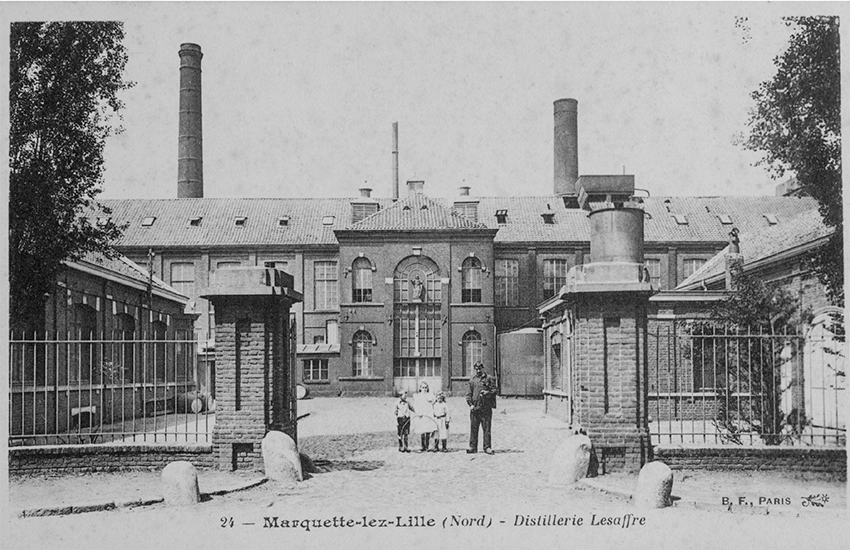
More than 180 years ago, two friends started a distillery in northern France to make grain alcohol and Dutch gin. Soon after, they turned to making fresh yeast, from which Société Industrielle Lesaffre was formed — a company that grew into a global leader in yeast and fermentation-based products. The legacy of the friendship between Louis Lesaffre and Louis Bonduelle is known today as the Lesaffre Group. Lesaffre's commitment to advancing fermentation technologies to help support and nourish the world’s growing population has broadened its portfolio to include providing resources for human health and animal nutrition. With more than 80 production facilities worldwide, Lesaffre serves clients in over 150 countries. Lesaffre is also the parent company of Fermentis, which was created in 2003 to specialize in yeast and fermentation solutions for beverages. Fermentis by Lesaffre draws on the expertise of Lesaffre’s 70 applied science centers, 14 sensory analysis labs and 850 R&D e
00
March 11, 2026

** CDR WineLab In-Stock - Immediate shipping available ** The Science of Fruit Wines: Technological Principles and Analytical Control in Non-Grape Fermentation Defining Fruit Wines: Chemical and Technological Distinctions In modern oenology, fruit wine production has transcended its origins as a rural craft to become a highly specialized sector of food science. The transition from artisanal production to a global industrial category relies on a deep-seated understanding of the unique chemical matrices presented by non-grape fruits. Unlike viticulture, where the raw material is often naturally optimized for fermentation, alternative fruit substrates—such as pomegranate, fig, and various berry species—exhibit diverse polyphenolic profiles and acid concentrations that demand precise technological interventions to ensure product stability and commercial viability. Fruit wines are characterized as non-distilled alcoholic beverages, typically containing 5% to 13% alcohol
00

Maintaining wine balance in a changing climate Climate change is reshaping the wine industry. In many wine regions, each year seems to set new records for the hottest or driest growing season, followed by the earliest harvest dates yet. Such accelerated ripening is disrupting grape physiology; phenolic and aromatic development fall out of sync, sugar levels soar, and acidity drops away (1). So how can we adapt and build a more resilient wine sector? The answer to this question is multifaceted. In the vineyards, grape growers are rethinking their management practices, adjusting canopy architecture, introducing shading or optimising irrigation (1,2). Some are reaching for higher altitudes or moving further from the equator in search of cooler conditions (1). Others are trialling alternative heat- and drought-tolerant varieties, from long-forgotten cultivars to newly bred plant material. In the cellars, winemakers may turn to pragmatic solutions such as dilution or blending strategi
00

Every winemaker knows that fermentation is a delicate dance between art and science. Behind every great wine lies a thriving microbial ecosystem—some organisms we invite, others we need to keep far away. Mastering that balance is what separates clean, stable wines from those plagued by faults, spoilage, or inconsistency. Fermentation: Harnessing the Right Microbes During alcoholic fermentation, controlling microbial populations ensures your chosen yeast strain dominates the process. This helps achieve a complete and predictable transformation of sugars into alcohol and COâ‚‚ without unwanted by-products that can dull aroma or flavor. In malolactic fermentation, Oenococcus oeni converts malic acid to the softer lactic acid, reducing sharpness and enhancing mouthfeel. But MLF is also a vulnerable moment: the wine’s natural defenses are low, and spoilage microbes can easily gain ground. When MLF isn’t desired, those bacteria must be inhibited completely to protect the wi
00

When water is limited, or fruit quality is on the line, deficit irrigation is one of the smartest tools in a grower’s arsenal. But like any sharp tool, it needs to be used with precision. Here’s what deficit irrigation is and why it matters. What Is Deficit Irrigation? Deficit irrigation is the practice of intentionally giving crops less water than they’d typically receive during select stages of development. The idea isn’t to deprive the plant, but to apply a mild, controlled stress that can slow vegetative growth or fruit expansion in ways that benefit the crop. Done well, this strategy can sharpen fruit quality, reduce disease pressure, conserve water, and even improve overall return on investment. Take apples, for example. Overwatering mid-to-late season can lead to oversized fruit with low calcium, making them more vulnerable to bitter pit. In peaches, too much late-season water can result in soft texture and poor color. Deficit irrigation allows y
00