
Filter Post Type
NewsVideoProductEventLink
Sort:
Most Recent
1–10 of 171
Your Winery's Sales Numbers Aren't Telling You the Whole Story 5 DTC metrics that reveal what's happening with your customers, wine club, and revenue. When winery sales are under pressure, every number matters. But looking at total revenue alone won't tell you where the problems are or where the opportunities might be. Are customers spending less per order, or simply buying less often? Are club cancellations outpacing new signups? Are tasting room visitors making a purchase but never returning? These are very different challenges, and they require different responses. To get a clearer picture of your winery's direct-to-consumer (DTC) performance, here are five sets of metrics worth looking at together. 1. Average Order Value + Purchase Frequency Average order value (AOV) is simply the average amount a customer spends per order. It's a useful number, but it doesn't tell you how often customers are buying. For example, a customer who spends $250 per order but only purchases twice a year
00

Is Your Wine Club as Healthy as It Looks? 7 Signs to Watch A full pickup party, a successful club run, or a steady stream of new signups can make a wine club look healthy. But none of those numbers tells the whole story. Wine club health is less about one standout metric and more about what members are doing over time. Are they buying between releases? Are new members replacing the ones who leave? Are long-term members continuing to engage? Is purchasing behavior holding steady, growing, or quietly declining? The strongest wine clubs look beyond shipment revenue and pay attention to the patterns underneath it. Here are seven signs worth watching. 1. Members buy outside their scheduled club shipments A club shipment tells you a member is still enrolled. Purchases outside that shipment can tell you something more. When members return to the tasting room, place ecommerce orders, attend events, or make additional purchases between releases, the relationship extends beyond the club commitme
00

Winery DTC technology has changed considerably over the years, but so has the customer journey it needs to support. For a long time, the winery direct-to-consumer model followed a fairly predictable path. A guest visited the tasting room, had a great experience, joined the wine club, and stayed connected through allocations, events, email offers, and return visits. That path still exists, and the tasting room remains one of the most valuable customer acquisition channels available to wineries. But it is no longer the only way consumers build relationships with wine brands. Today, a customer's first interaction with your winery may happen long before they walk through the tasting room door—or they may never visit at all. They might discover a bottle at a restaurant, see it in an Instagram post, hear about it from a friend, encounter your winery while planning a trip, search for a varietal or region online, receive a bottle as a gift, or come across your brand in an online wine community
00

AI is quickly becoming part of the day-to-day toolkit for winery teams. But while writing emails, brainstorming social posts, and creating content may be the easiest places to start, some of the biggest opportunities for wineries are in the customer data they already have. Your winery is already collecting information across e-commerce, wine club, POS, email and SMS, tasting room visits, shipping, events, and customer profiles. AI can help make that information easier to analyze—and, more importantly, easier to act on. During our recent webinar with Sovos ShipCompliant, How AI Is Helping Wineries Improve Wine Club Retention & Reduce Customer Friction, we explored practical ways wineries can begin using AI across their DTC business. The biggest takeaway: you don't need an AI strategy to get started. You need a good business question. How Can Wineries Use AI? At its core, AI is very good at identifying patterns across large amounts of information. For a winery, that means you can mo
00
August 18, 2026
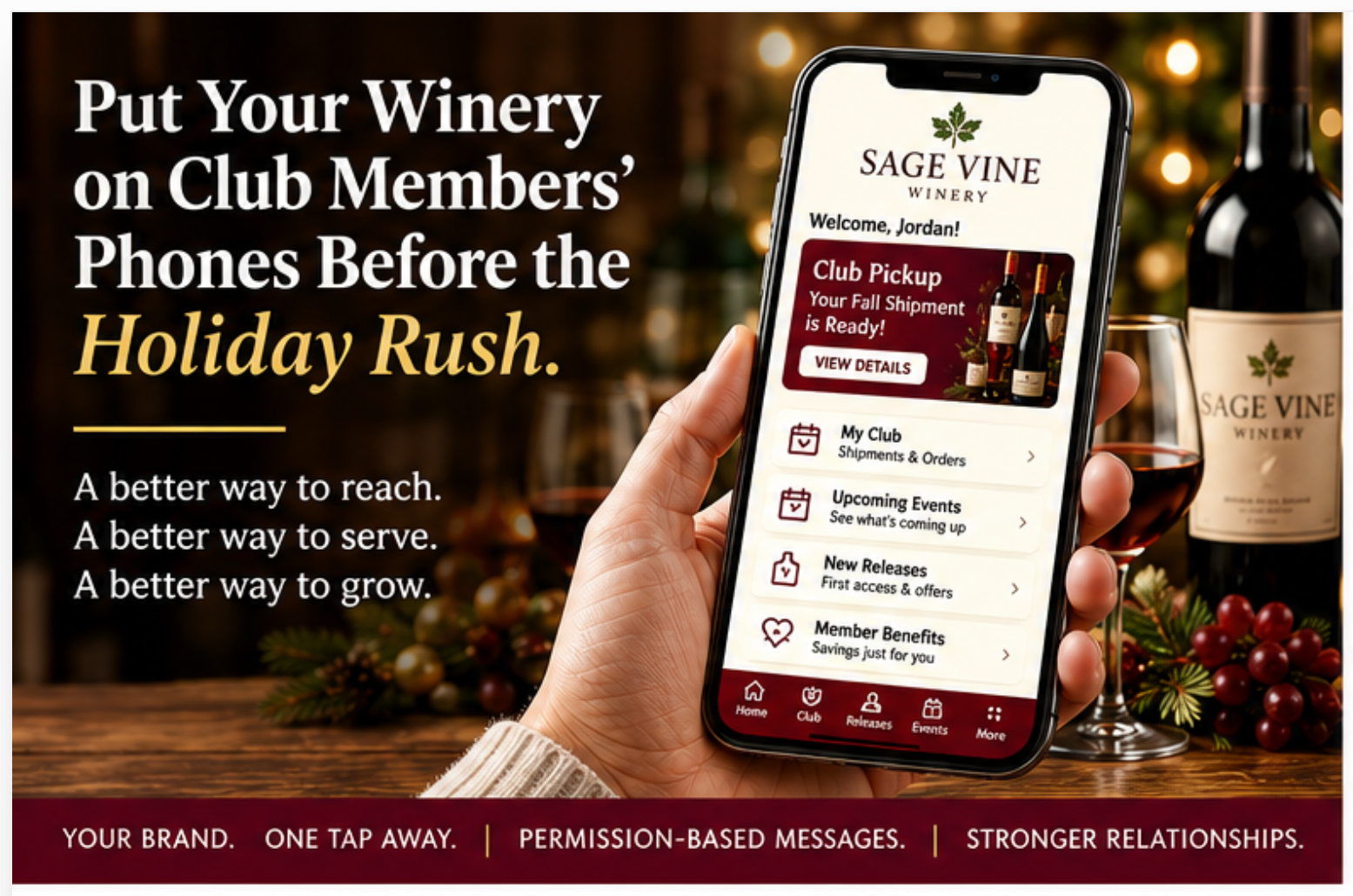
Wine Clubs Need a Better Way to Reach Members Before the Holiday Rush By Bryan St. Amant, Founder & CEO, VinterActive Let’s not sugarcoat reality. We've all read headlines about fewer tasting room visitors and waning thirst for traditional wine clubs. Every wine marketer seems to know someone who's lost a job, watched a budget vanish, or seen another respected brand struggle to survive. But the latest research reveals one encouraging sign: Silicon Valley Bank’s 2026 Direct-to-Consumer Wine Report found that top-quartile wineries grew DTC revenue by 22%, while the median winery reported no growth and the bottom quartile declined by 13%. They attribute the widening gap largely to the way top wineries focus on customers, relationships, and execution. Since they also found tasting rooms and wine clubs account for 72% of DTC winery performance, the performance of these channels this holiday season can make or break small brands this year. But here's the catch... Problem: Email & SMS
00

August 4, 2026

Industry leaders join forces to support winery operators with the people, processes, and technology needed to attract, retain, and empower hospitality talent Denver , Aug. 4, 2026 - Würk, the leading human capital management (HCM) company serving the cannabis and beverage alcohol industries, announced today a strategic partnership with OrderPort, the wine industry's leading Enterprise Resource Planning (ERP) and point-of-sale platform. Through the partnership, the two organizations will collaborate to help wineries strengthen workforce operations, improve employee retention, and create exceptional guest experiences. In today's competitive winery landscape, operators face increasing pressure to recruit and retain quality talent while delivering memorable tasting room experiences that drive customer loyalty. Würk and OrderPort share a common belief that successful hospitality businesses are built on strong people, efficient processes, and technology that removes adm
00
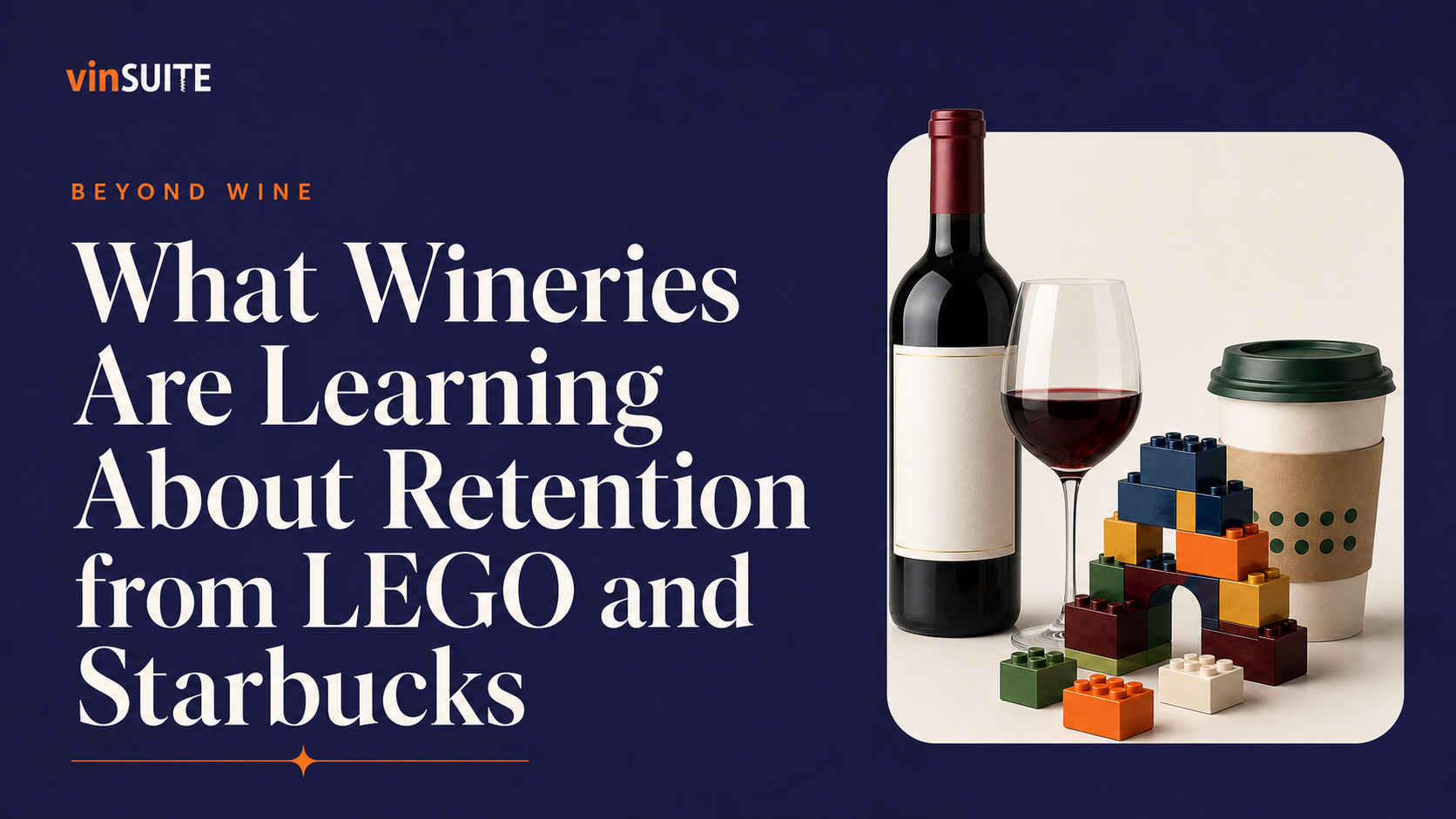
What Wineries Are Learning About Retention from LEGO and Starbucks Every industry has moments where an outside perspective changes how it operates. Restaurants borrowed reservations software from airlines. Fitness studios borrowed subscription models from streaming platforms. Hotels borrowed loyalty tiers from credit card companies. The wine industry is due for a similar borrow. At the recent Beyond Wine webinar with WISE Academy, Jimmy Wu and Liz Mercer walked through seven customer growth strategies that high-performing industries have quietly mastered. Three of those stood out as immediately usable for winery DTC teams, and none of them require new technology or a bigger budget. Former members are alumni, not ex-customers The sharpest moment from the session was Liz Mercer's reframe of how wineries treat cancellations. "Ex-boyfriend is a negative connotation," she said. "Alumni is a positive one." Most wineries treat a cancelled member like an ex. Paperwork requirements. Charge-back
00
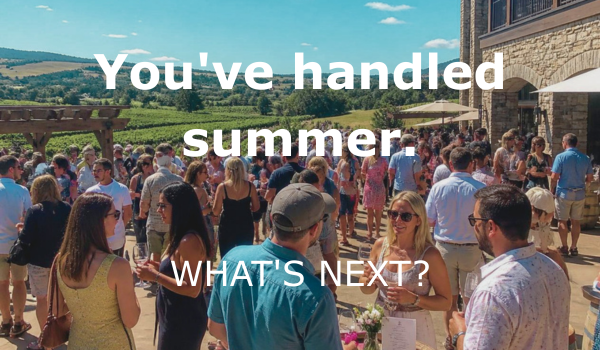
Summer’s handled. Don’t Miss the Opportunity to Get Ahead. If your winery has had a busy summer, congratulations. Your team has welcomed guests, hosted events, fulfilled orders, managed wine club members, answered countless questions, and kept everything moving during one of the busiest times of the year. Now take a breath. Before harvest begins and the holiday season arrives, there’s a small window to step back and ask an important question: What should we improve before the next rush? The wineries that continue to grow aren’t necessarily the busiest. They’re the ones that learn from each season and make small improvements before the next one begins. Five Questions Worth Asking Where did your team spend the most time? Were staff answering the same questions every day? Did club releases require more manual work than expected? Did inventory or fulfillment create bottlenecks? Small frustrations add up during busy periods. Identifying them now makes the next season easier. Did your sy
00
July 23, 2026
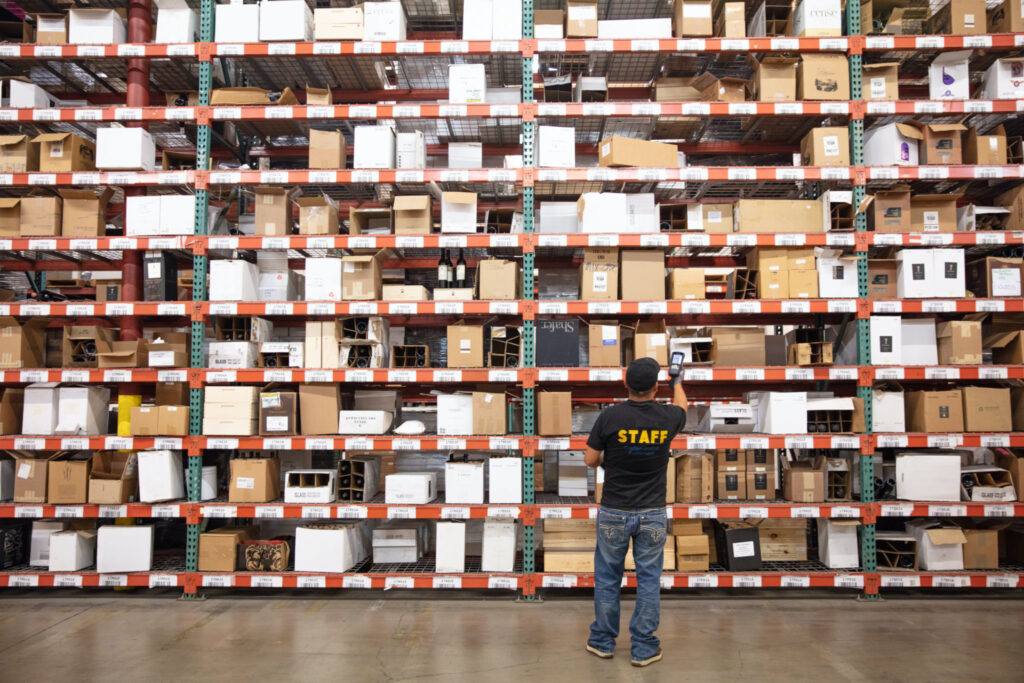
For decades, traditional wine clubs have been one of the most successful ways for wineries to build lasting relationships with their customers. They create opportunities to share new vintages, reward loyal members, and establish a predictable rhythm that benefits both the winery and its members. Today, many wineries are complementing those traditional programs with subscription-style offerings that provide members with greater flexibility, personalized selections, and more frequent engagement. Neither model is replacing the other. In fact, many successful wineries are finding that a combination of traditional wine clubs and subscription programs allows them to serve different customer preferences while continuing to strengthen direct-to-consumer relationships. There is no universal formula because no one understands a winery’s customers better than the winery itself. While membership strategies continue to evolve, one thing remains constant: Every customer experience ultimately depends
00
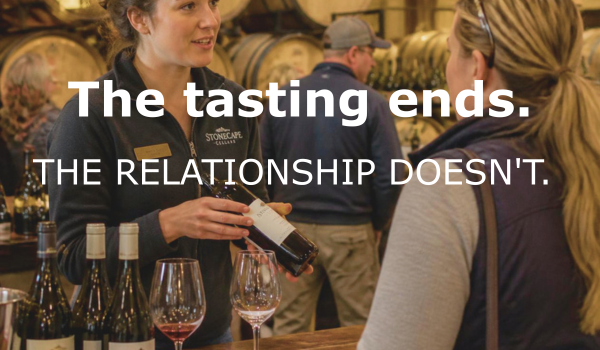
Summer is one of the busiest times of year for wineries. Your tasting room is full. Events are in full swing. New guests are discovering your wines every weekend. It's exciting—but it's also easy to become focused on today's visitors and miss tomorrow's opportunities. The truth is, the value of a tasting room visit isn't measured only by what someone buys before they leave. It's measured by what happens next. A guest who purchases two bottles today could become a wine club member next month. A couple visiting on vacation might reorder their favorite wines when they get home. Someone attending a summer event could become one of your best referral sources. The relationship doesn't end at checkout. In many ways, that's where it begins. Five Ways to Keep Summer Momentum Going 1. Capture Customer Information While the Experience Is Fresh The best time to begin a customer relationship is during a positive experience. Whether someone purchases a tasting, joins your mailing list, or buys a cas
00