
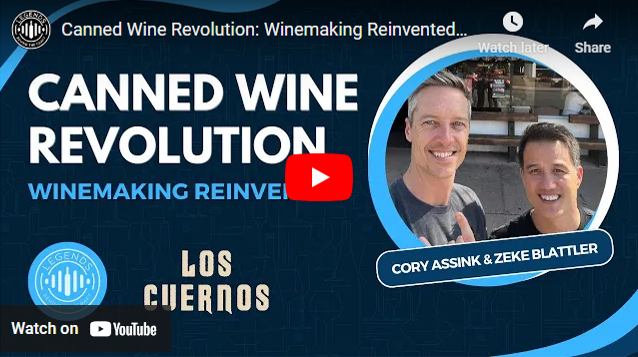
Have you ever wondered how the convenience of canned beverages could revolutionize the wine industry?
In today’s episode of the Legends Behind the Craft podcast, Drew Thomas Hendricks is joined by Cory Assink and Zeke Blattler, co-founders of Los Cuernos Wine. Discover how these industry veterans are disrupting traditional winemaking with their innovative canned wines, bringing premium quality and convenience to wine lovers everywhere. From their serendipitous journey in the wine world to navigating the challenges of launching a brand, Cory and Zeke share their passion and vision for the future of wine. Whether you’re a wine enthusiast or a budding entrepreneur, this episode promises a refreshing take on the world of wine.
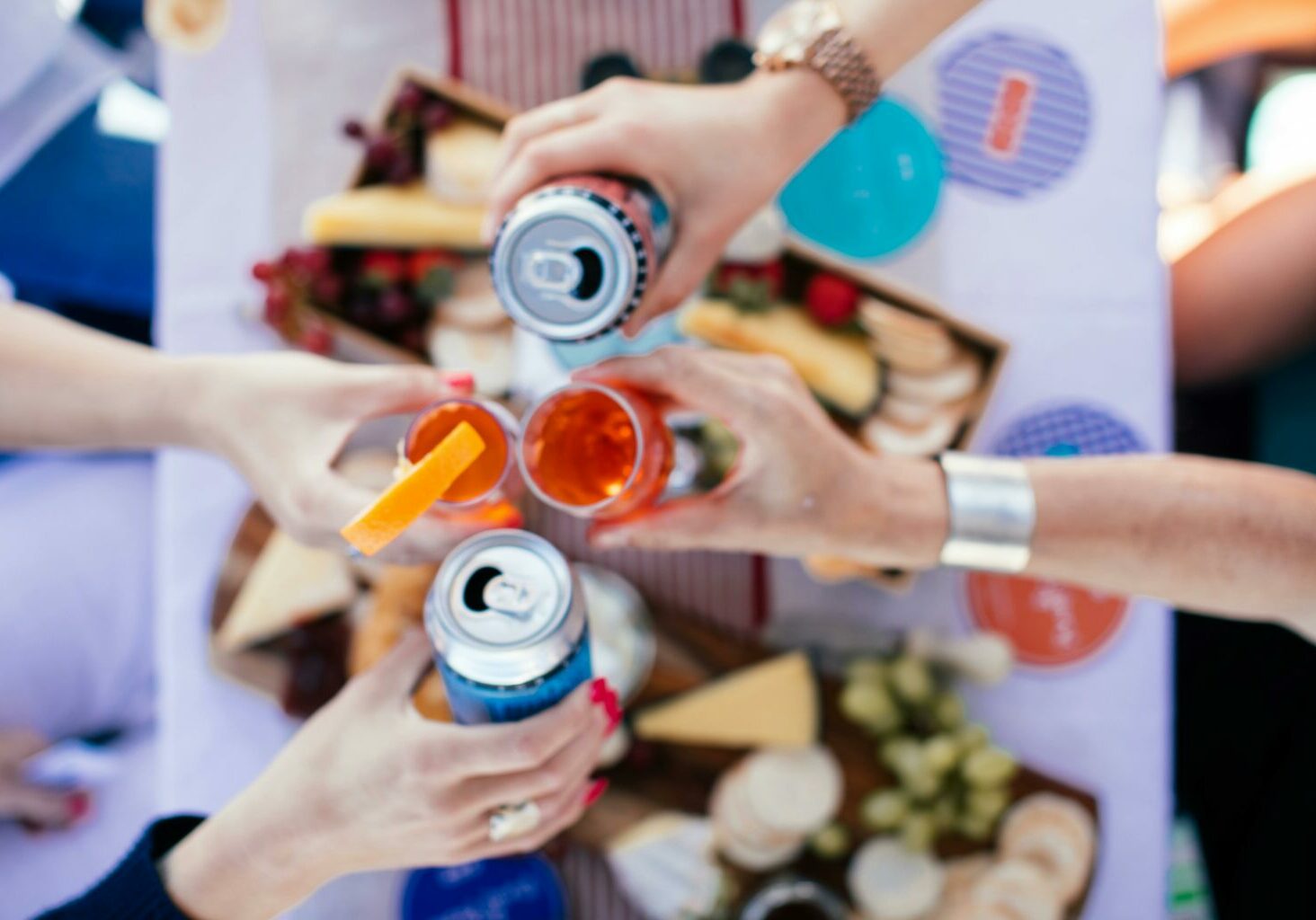
Imagine sipping a crisp, refreshing rosé straight from a sleek, portable can as you bask in the sun at a music festival, or maybe a picnic. This scene isn’t just a marketing dream—it’s the reality that’s reshaping today’s wine industry.
As traditional wine rituals give way to modern conveniences, canned wine is emerging as the must-have drink for young wine lovers. The rise of canned wine packaging in the modern market is inevitable and it’s high time for us to discuss how it’s affecting the industry and its traditions. Let’s dig more into this topic, guided by expert insights from Zeke Blattler and Cory Assink of Los Cuernos from a recent Legends Behind The Craft episode hosted by Drew Thomas Hendricks of Barrels Ahead.
Top 3 Reasons Why Canned Wine Appeals to the Modern Market
There’s no argument for how the convenience and portability of canned wine perfectly align with the lifestyles of modern, younger demographics like the Millennials and Gen Z. Here’s why it’s attracting them:
1 – Convenience and Practicality
Whether it’s a casual picnic in the park, a hiking trip, or a beach outing, canned wine offers a practical and stylish solution. The single-serving size ensures freshness and eliminates the need to lug around heavy bottles and glasses. According to Bauerhaus Design, canned wine’s portability and ease of use have made it a popular choice for outdoor enthusiasts and social gatherings.
Music festivals and concerts are other settings where canned wine shines. Many events prohibit glass containers for safety reasons, making cans a perfect alternative. The compact and durable nature of cans allows festival-goers to enjoy their favorite wines without the risk of breakage. As reported by Food & Beverage Magazine, the approachable and fun packaging of canned wine resonates well with the festival crowd, enhancing the overall experience.
2 – Versatility and Moderation
Another appealing aspect of canned wine is its versatility. Aluminum cans can hold various types of wine and unique selections. This diversity in product offerings allows wineries to cater to different consumer tastes and preferences, further driving market adoption.
The design of the cans also preserves the integrity and flavor of the wine, ensuring a high-quality experience in a convenient format. People also prefer it to control portions served. Canned wines typically come in a 250ml size, which is one-third of a traditional wine bottle. This makes it easier for consumers to enjoy a single serving without the commitment of an entire bottle, reducing waste and promoting moderation. This size also allows groups to sample different types of wine without the need to open multiple full-sized bottles, catering to diverse tastes and preferences in social settings.
3- Eco-Friendliness and Sustainability
The environmental benefits of canned wine contribute to its appeal among eco-conscious young consumers. Aluminum cans are highly recyclable and have a lower carbon footprint compared to glass bottles. Recycling aluminum saves about 95% of the energy required to produce new aluminum, making it a more sustainable packaging option.
The production and transportation of canned wine are more energy-efficient than glass bottles. Cans are lighter, which reduces fuel consumption during transportation, and they stack more efficiently, maximizing space and further lowering emissions. These factors contribute to a smaller overall carbon footprint for canned wine.
Younger demographics place a high value on sustainability, often choosing products that align with their environmental values. According to a First Insight study, 73% of Millennials are willing to spend more on sustainable products, and 62% prefer to buy from brands that are committed to reducing their environmental impact. The rise in canned wine sales reflects this trend, as young consumers increasingly opt for products that offer both convenience and a reduced environmental impact.
On another note, while demographics plays a huge part in reaching your target audience, wineries are encouraged to think beyond this and consider a more important factor: psychographics. Drew Thomas Hendricks noted, ”…We got to stop worrying about Gen Z, Millennials, Gen X, the age does not matter. Really, it’s that psychographic profile that will resonate with the brand. And I think a lot of wineries are missing that boat.”
As for Los Cuernos, continuously developing strategies that would appeal to their market is a big thing for them, Zeke Blattler shares: “Couple things that we did different, we knew we were going to do calorie count right away. So we put calories on there. We put that it’s low carb, low sugar, naturally.”
The Numbers Don’t Lie: Looking into the Future of Canned Wines
While canned wine is challenging traditional wine concepts, it’s important to balance your strategies by looking at its potential. Recent studies show that the canned wine market is experiencing significant growth and is projected to continue expanding robustly over the next decade. In 2023, the global canned wine market was valued at approximately USD 605 million. By 2030, this market is expected to surge to USD 1,561.0 million, reflecting a compound annual growth rate (CAGR) of 14.5% during the forecast period.
The growth of e-commerce today also presents a significant opportunity for the canned wine market. Online retail platforms enable direct-to-consumer sales, allowing brands to build stronger relationships with customers and offer a convenient shopping experience.
The future of canned wine also brings solutions to labor costs in the restaurant industry and the rising demand for cheaper wine alternatives. According to Zeke, “… we see labor costs as the most hard to manage cost variable in the restaurant industry. And now we see kiosks and people ordering. So bottle of wine is not going to work in an automated and robotics world. Cans already do, and they will. And so the unique thing that we have done is we’ve actually made wine cheaper for everybody.”
Overcoming Challenges, The Los Cuernos Way
One of the challenges for this promising innovation is overcoming the traditional perception that canned wine is of lower quality compared to bottled wine. Educating consumers about the quality and benefits of canned wine is crucial for sustained market growth. As for Los Cuernos, their marketing strategy is simple, direct, and is intended to capture the right market. Cory Assink shares: “So our whole thing is ‘Great Wine, No Rules’, talking about bucking the system, thinking differently, thinking about wine differently. And still appreciating the history and the tradition of wine itself, but just thinking about it in a new way.”
Finally, wineries should know that this doesn’t stop here. It’s just the beginning. Continuous improvements in packaging technology and product innovation are crucial for sustaining market growth. Advances in canning technology can ensure that the wine’s flavor and quality are preserved, while innovative packaging designs should be strategically developed to attract consumers’ attention and enhance brand visibility.
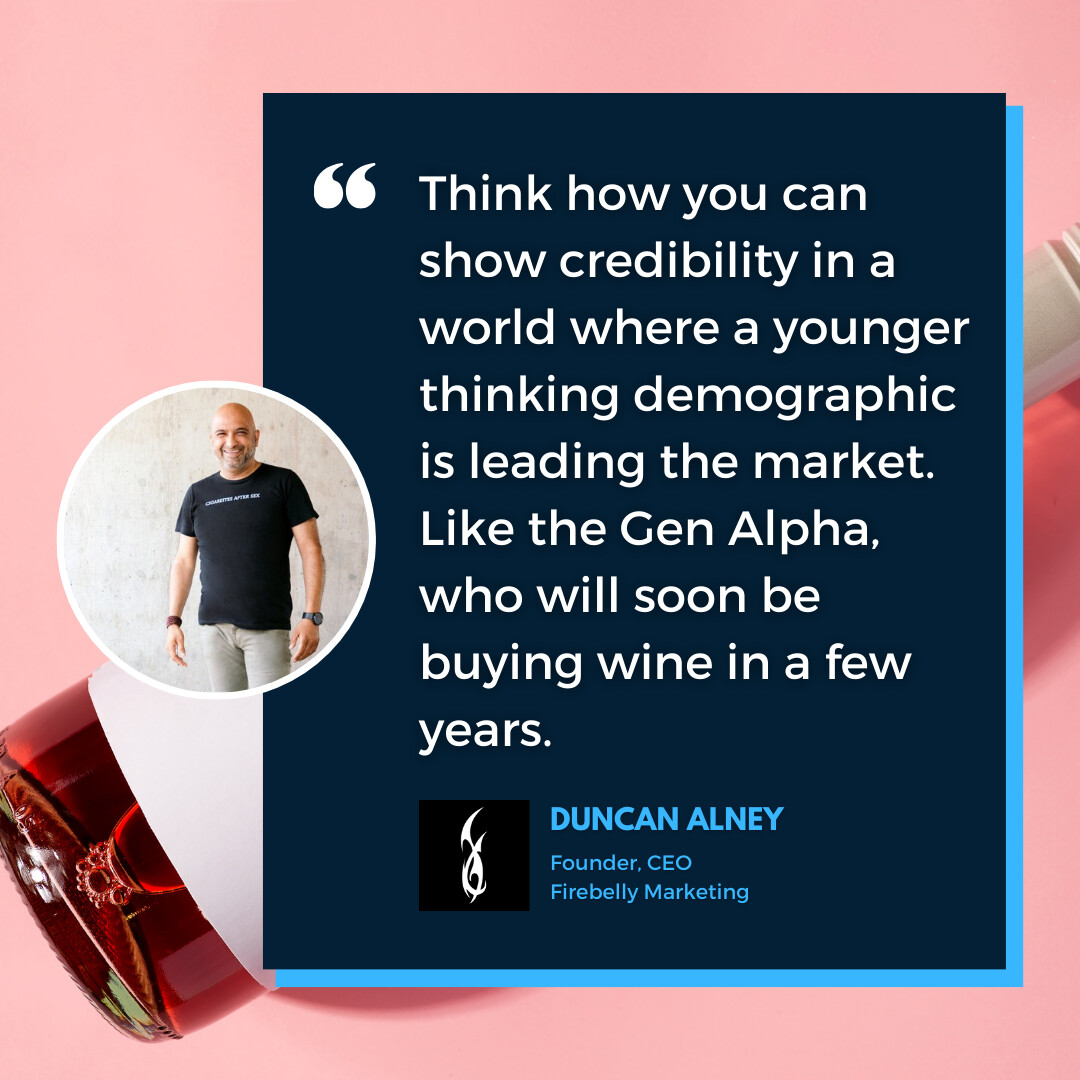
Duncan Alney, Founder and CEO of Firebelly Marketing, highlights the importance of establishing credibility in a market led by younger demographics.
As this forward-thinking generation grows into wine consumers, it's crucial for wineries to adapt their branding and marketing strategies to resonate with their values and preferences.
Stay up-to-date with the latest insights, information, and updates in the wine and craft industry by following us today!
The world of wine marketing is changing faster than ever. With new technologies and shifting consumer behaviors, it’s crucial for winery owners and marketers to stay ahead of the curve. The future of wine marketing challenges the once-traditional industry to keep up.
In our efforts to provide expert views on the topic, we’ve discussed the matter further in a recent Legends Behind The Craft episode with Duncan Alney and Drew Thomas Hendricks where they deep-dived into how AI, building credibility, and engaging consumers can transform your winery business.
So, what’s next for wine marketing’s future?
AI in Wine Marketing
Imagine being able to suggest the perfect wine to each customer based on their unique tastes. That’s exactly what AI can do. By analyzing customer preferences, AI algorithms can offer personalized wine recommendations, making your customers feel special and boosting their loyalty to your brand.
Using Predictive Analytics for Strategic Marketing
AI doesn’t just help with personalization—it can also predict future trends. By analyzing past consumer behavior and market trends, AI helps you plan your marketing strategies more effectively. This means you can stay ahead of the competition and make smarter decisions about where to invest your marketing budget. Duncan Alney of Firebelly Marketing emphasizes the value of this approach: “AI predicts trends and consumer behavior, helping wineries plan marketing strategies.”
Enhancing Customer Service with AI Chatbots
AI-powered chatbots are like having a customer service rep available 24/7. They can answer common questions, recommend products, and even help with purchases. This ensures your customers always get the help they need, improving their overall experience with your brand. Alney notes, “Chatbots and virtual assistants enhance customer service by providing instant responses and personalized interactions.”
Data-Driven Insights for Wine Businesses
AI’s ability to process large datasets can uncover valuable insights about market trends and consumer preferences. These insights can guide your product development, marketing strategies, and sales tactics, ensuring you meet the evolving demands of your customers. According to Alney, “AI processes large datasets to uncover insights about market trends and consumer preferences.”
AI’s insights can guide your product development, marketing strategies, and sales tactics.
Automating Content Creation with AI Tools
Creating engaging content consistently can be a challenge. AI tools can help by generating relevant content for your social media and blogs. This saves you time and ensures you always have something interesting to share with your audience. Alney states, “AI tools generate engaging content, including social media posts and blog articles.”
Building Credibility Through Transparency in Wine Marketing
Today’s consumers care about where their wine comes from and how it’s made. By being transparent about your wine’s origin, production processes, and sustainability practices, you can build trust with your audience. Alney highlights the significance of credibility: “How do you value being credible in a world that is… increasingly younger thinking demographic?”
Authenticity: Sharing Genuine Winery Stories
People love a good story. Sharing authentic stories about your vineyard, winemakers, and the history of your wine can create a deeper connection with your audience. It shows that there are real people behind the brand who care about what they do. Alney points out, “Being going to Instagram or going to Facebook to gauge the personality of the brand to look at the products is something that who would have ever thought that would even be a thing in wine?”
Leveraging Influencer Partnerships
Partnering with credible wine influencers can boost your brand’s credibility and reach. Influencers can introduce your wine to their followers, provide authentic reviews, and create engaging content. This strategy can increase your visibility and attract new customers.
Showcasing Certifications and Awards
If your wine has won any awards or certifications, flaunt them! Highlighting these accolades can demonstrate your wine’s quality and reliability, helping to build trust with your audience. Alney notes, “Trust symbols that people know that you won this award or you’ve been around for a hundred years.”
Enhancing Consumer Engagement
Alney explains, “You know, the first stage is awareness. It’s like ‘Hey, how aware are you?’ And if people are aware of you, are you credible and can people resonate with… can they even resonate with the content that you’re putting out directly correlating to your wine?”
Encouraging customers to share their wine experiences on social media boosts engagement and builds a community around your brand.
Boosting Engagement with User-Generated Content
Encouraging customers to share their wine experiences on social media can boost engagement and build a community around your brand. User-generated content (UGC) adds authenticity and provides diverse perspectives on your wine, making it more appealing to a broader audience. Alney highlights the value of UGC: “The beauty of UGC… it gives you that connection and you don’t… it gives you that connection… you can’t produce that level of content with that relatability.”
Implementing Effective Loyalty Programs
Loyalty programs are a great way to foster long-term customer relationships and encourage repeat purchases. Offering rewards, exclusive access to events, and special discounts can keep customers coming back.
Omni-Channel Marketing Strategies
Integrating online and offline marketing efforts can create a seamless customer experience. Ensure your website, social media, email campaigns, and in-person events are aligned and provide a consistent message. This holistic approach can enhance customer engagement and drive sales. Alney notes, “Social can’t exist in a bubble. Social has to be very closely tied to all the other digital marketing work.”
The future of wine marketing lies in balancing technological innovation with authentic consumer connections. By leveraging AI, building credibility, and enhancing consumer engagement, you can stay ahead of the competition and build a loyal customer base. Embrace these strategies with our team and let us help you ensure your winery thrives in the evolving market landscape.
Thinking about diving into the beverage industry? It’s an exciting and dynamic field, ripe with opportunities but can also be quite competitive. With the market constantly evolving and consumer preferences shifting, it’s crucial for new entrants to carve out a unique niche and deliver value that stands out.
This article is crafted to guide you through the ins and outs of starting your own beverage business, with a special focus on the critical early steps. We’ve pulled together some stellar advice from a Legends Behind the Craft episode with Chris Tunstall, co-founder and Chief of Brand and Product Development at A Bar Above. Check out his pro tips on starting in the beverage industry as a budding entrepreneur.
1. Do Your Homework
Before taking any concrete steps, it’s imperative to conduct thorough research. Understanding the current market trends, consumer behavior, and potential competition will provide a solid foundation. Develop a comprehensive business plan that outlines your business model, market entry strategy, and financial projections. This document will be vital not only for guiding your business decisions but also for securing investors or loans if necessary.
Chris Tunstall, Co-Founder and Chief of Brand and Product Development at A Bar Above, advises budding entrepreneurs to: “Lay out the business plan, really figure out how you’re going to make money. How are you going to go to market? What advantage are you bringing to the table that doesn’t exist? Or what’s that space look like for you?” Thorough planning and market research for aspiring entrepreneurs in the drinks industry is vital.
2. Identify Your Unique Selling Proposition (USP)
In a market flooded with options, your product needs to offer something distinctive. This could be a unique flavor profile, innovative packaging, sustainable practices, or a compelling brand story. Determine what sets your product apart and ensure it resonates with your target audience. Your USP will be crucial in convincing consumers to choose your product over established brands.
Determine what sets your product apart and ensure it resonates with your target audience.
3. Learn On Someone Else’s Dime
If you’re new to the industry, gaining experience on someone else’s payroll can be invaluable. Working in the hospitality industry, for example, can give you insights into customer service, operational logistics, and the financial management of a drinks business. If possible, aim for a managerial position where you can learn the ropes of business management within the safety net of employment.
In line with this, Tunstall also noted: “Learn as much as you can on somebody else’s dime too. If you’re in the hospitality world, become a manager. Really understand the business side of running a company. The numbers, the finances, all of it.” Gaining experience and knowledge while in employment can significantly reduce the risk when starting a new venture.
4. Understand the Regulatory Landscape
The drinks industry is highly regulated. Familiarize yourself with the necessary licenses, health regulations, and federal and state laws that will impact your business. Compliance is not just about avoiding legal pitfalls; it also builds credibility and trust with your customers and business partners.
5. Network and Build Relationships
Building strong relationships with suppliers, distributors, and other industry professionals can provide you with valuable insights and open up new opportunities. Attend industry conferences, participate in trade shows, and engage with online communities related to your business. Networking can also lead to beneficial partnerships and mentorship opportunities.
6. Prepare for Challenges
Starting a business in the drinks industry comes with its fair share of challenges, from supply chain issues to changes in consumer preferences and economic downturns. Prepare contingency plans and maintain a flexible approach to business strategy. Resilience and adaptability are key traits that can help you navigate through tough times.
Tunstall had a fair share of challenges when he was still learning his craft. In a Legends Behind the Craft episode, he shares that learning from past business attempts that didn’t scale well can help with the learning curve involved in entrepreneurship. He says, “So I didn’t really understand the idea of scalability…That was a really good lesson to learn.”
7. Commit to Continuous Learning
The beverage industry is dynamic, with new trends and technologies constantly emerging. Commit to lifelong learning to keep up with industry innovations and enhance your business operations. Whether it’s taking courses in mixology, attending webinars on business management, or reading up on market research, staying informed is essential.
As for Tunstall, he believes in the value of mentorship and learning from others’ experiences: “Really find people that are doing interesting things, learn from them as much as possible. If you could get a mentor, get a mentor. Really, really, mentors have been huge for us in our company.”
Starting a business in the drinks industry requires more than just passion—it demands careful planning, strategic thinking, and a deep understanding of the market. By following these steps and continually adapting to the environment, you can increase your chances of success and make a mark in the world of beverages.
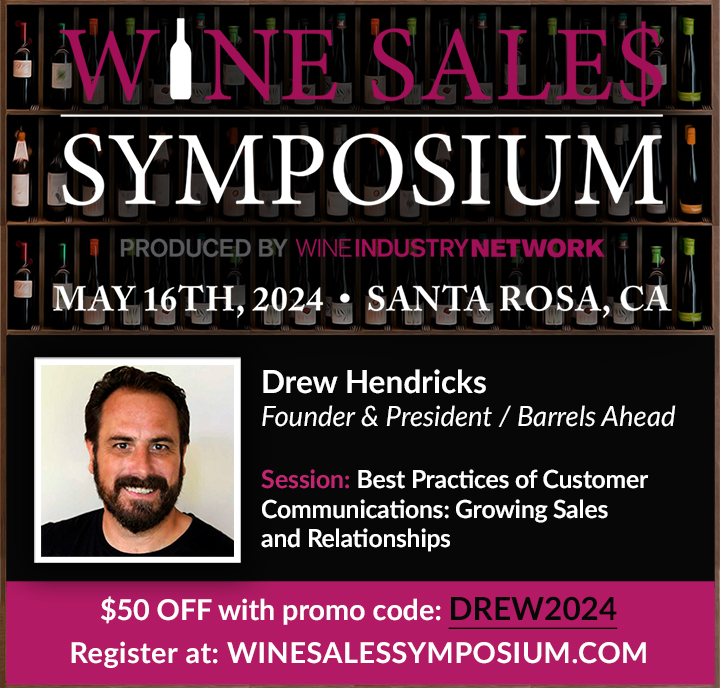
Drew Hendricks, Founder & President of Barrels Ahead, will be speaking at the Wine Sales Symposium on May 16th in Santa Rosa, CA, on a panel talking about Best Practices of Customer Communications: Growing Sales and Relationships.
Use promo code DREW2024 for $50 off registration.
Register here: https://winesalessymposium.com