
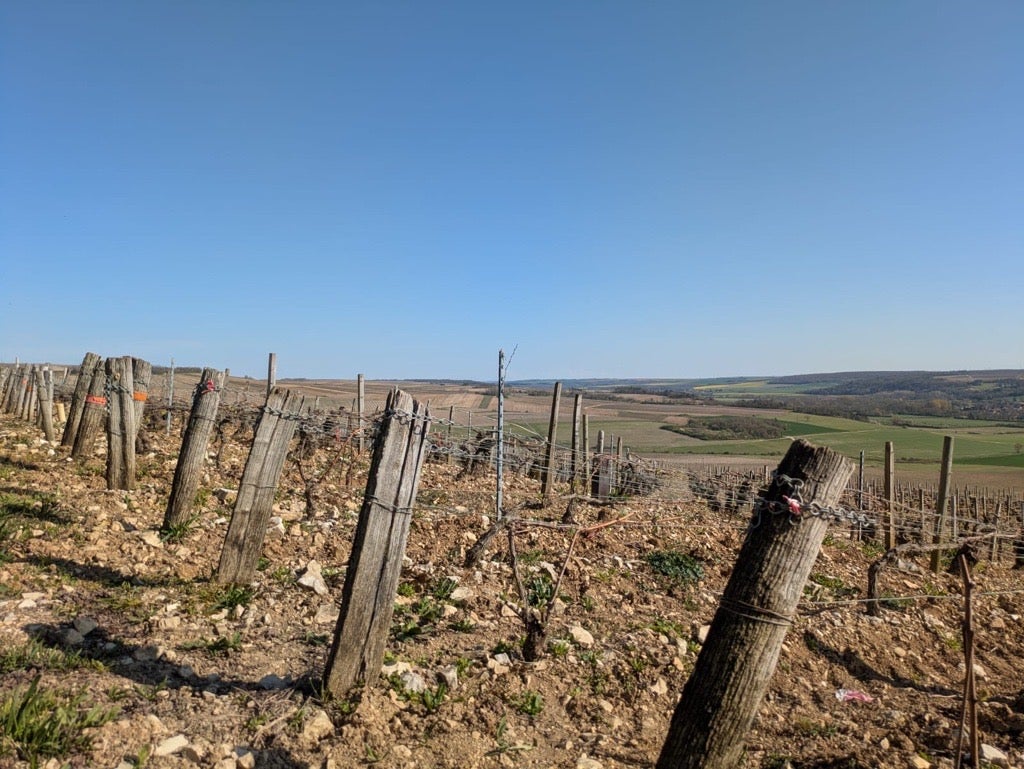
Chateau de Fleys is located in a small village just east of Chablis. Part of a historic wine producing region, the family-owned winery dates back multiple generations. Today, Olivier Phillipon, winemaker and co-manager, runs the estate with his siblings, Beatrice and Benoit.
''We respect and draw on our family's traditions, while embracing new technologies to improve quality," explains Olivier. ''For example, we choose to vinify each tank separately to best express the typicity of our different terroirs."
Chateau de Fleys produces white wines that are typical of the region: elegant and mineral-rich with light fruity and floral notes. Producing award-winning wines, of course, does not come without its challenges. From unpredictable weather to labor shortages, saving time and resources, especially during harvest, is always top of mind.
Overcoming challenges
The environment has always presented challenges for winemakers. In Chablis, the last couple of years have been particularly tough. ''We're now up against shifting harvests and increasingly unpredictable weather," says Olivier. ''Another challenge is finding enough workers, especially during the harvest season."
With so much to do, saving time where possible is crucial. ''We work hard," says Olivier, ''and there are often more important things to do than wait for yeast to rehydrate, for example."
The benefits of E2U TM yeasts
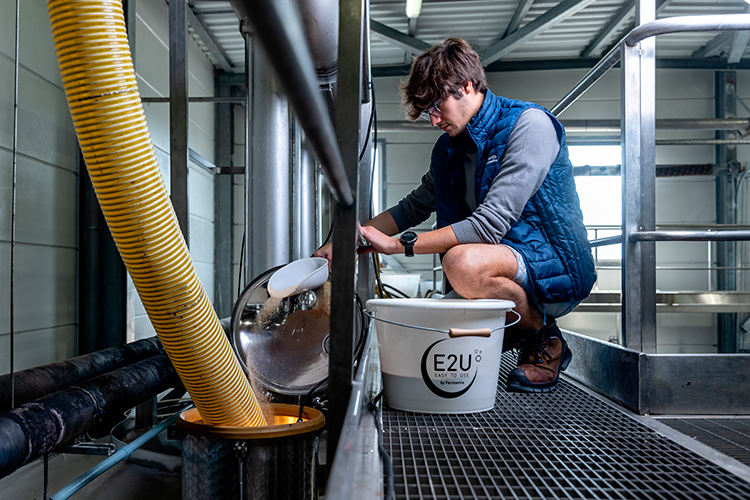
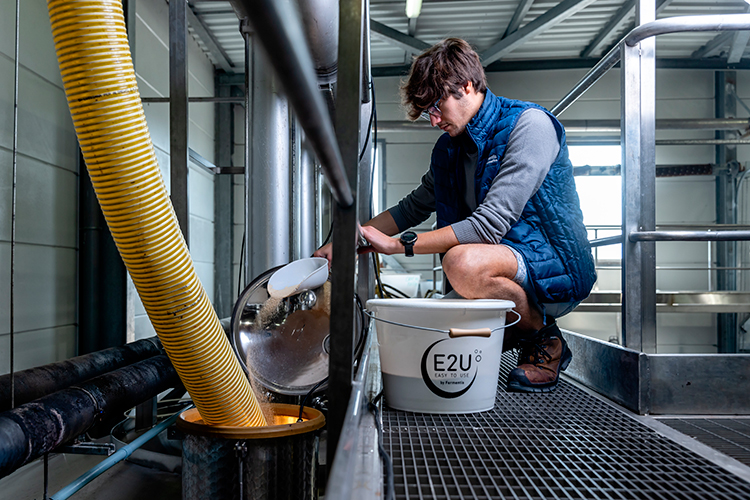
Melanie Burliga, Consulting Oenologist Moreau Oenologie, advocates for the advantages of Fermentis's E2UTM solutions for winemakers. ''The ease of application without the need for prior rehydration saves a considerable amount of time," says Melanie. ''It also facilitates better organization. Winemakers can delegate tasks, use less equipment, and use less water."
''For us, the advantages really lie in the ease of application," says Olivier. ''The straightforward inoculation process allows us to delegate tasks more easily when we're working with new staff. And, of course, without the need for prior hydration, we can move more quickly. Rather than stopping to rehydrate the yeast, we're able to move from one tank to the next. Essentially, we're able to work twice as fast."
SafŒnoTM EF-85
When it comes to white wines with fresh, fruity notes, SafŒnoTM EF-85 is the ideal choice.
Designed for elegant white wines, SafŒnoTM EF-85 brings complex, balanced fruity notes to the wine while respecting the grape variety. It performs well on many different white cultivars, from neutral varieties (such as Chardonnay or Grenache blanc) to aromatic varieties (such as Muscat).
Get in touch!
When Fermentis first introduced ViniLiquid™, the concept was straightforward: a yeast autolysate fermentation activator, formulated and stabilized as a liquid. What followed over the next 15 years was something more significant. Winemakers who adopted it didn't just report easier handling. They reported faster, more complete fermentations, healthier yeast populations, and wines with more expressive aromatic profiles. The liquid format, it turned out, wasn't only a packaging decision. It was also a technical one.
The key insight from 15 years of field data: physical form matters as much as nutrient composition when it comes to fermentative power. ViniLiquid™ was the first yeast autolysate fermentation activator produced and stabilized in liquid form, and that distinction drives real, measurable differences in how yeast behaves from inoculation through to fermentation completion.
This article draws on that accumulated experience to explain why, and what it means for your winemaking.
Rethinking What "Fermentation Nutrition" Really Means
Most conversations about fermentation nutrition start and end with nitrogen. Yeast assimilable nitrogen (YAN) is the standard metric, and for good reason: nitrogen deficiency is one of the leading causes of sluggish and stuck fermentations. But reducing fermentation nutrition to a single number misses a big part of the picture.
We prefer to speak of fermentative power rather than simply YAN supply. Fermentative power is the combined capacity of a nutrient to:
• Increase fermentation speed and reduce overall fermentation time • Support the completion of fermentation, even under stressful conditions • Maintain yeast population viability, particularly in the critical late stages
• Reduce stress factors produced by the yeast that are detrimental to lactic acid bacteria
What Drives Fermentative Power?
YAN contributes, of course. But fermentative power also depends on the presence of insoluble support elements (yeast hulls), survival factors such as sterols and long-chain
unsaturated fatty acids, growth factors including vitamins and minerals, and critically, the physical form in which all of these are delivered to the must.
Yeast derivatives, as a category, are the most widely used œnological products in wineries after active dry yeasts, precisely because they address several of these dimensions simultaneously. Research on yeast derivative composition confirms that compounds released during autolysis, including peptides, amino acids, sterols, and mannoproteins, play roles well beyond simple nitrogen supply: they improve cell membrane integrity, support detoxification of fermentation inhibitors, and modulate wine aroma and structure.
The question is not whether to use a yeast derivative. The question is which form delivers the most complete fermentative power.
Why the Liquid Format Changes Everything
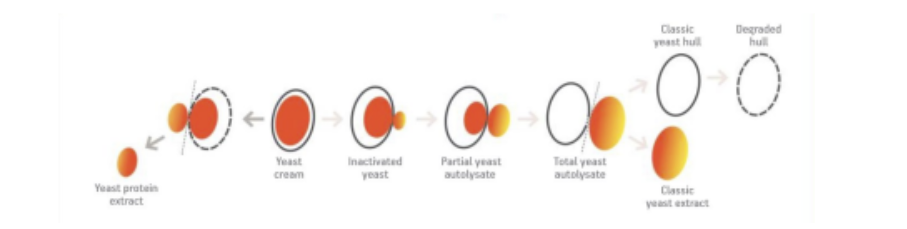
ViniLiquid™ is a highly degraded yeast autolysate that combines the benefits of soluble intracellular yeast content with insoluble yeast hull fractions, all in a single, stable liquid matrix. This is not simply a matter of dissolving a dry product in water. The production and stabilization process is fundamentally different, and it preserves the bioavailability of key compounds in a way that dry processing cannot fully replicate.
Superior Fermentative Power vs. Dry Autolysates
In controlled trials comparing ViniLiquid™ to dry yeast autolysates with equivalent nutrient compositions, ViniLiquid™ consistently outperformed in fermentation speed and yeast population outcomes. The most striking result: when combined with oxygen micro-addition, ViniLiquid™ reduced fermentation time by up to 42% compared to an unsupplemented control fermentation.
The combined effect of ViniLiquid™ and oxygen supply is particularly important in nutrient-poor musts. Compared with dry-format alternatives, the liquid form delivers a stronger fermentative response, helping secure fermentation completion even under difficult conditions.
Why does liquid form make a difference?
The physical state of a nutrient influences how quickly and uniformly it interacts with the yeast cell membrane. A liquid autolysate disperses immediately and homogeneously throughout the must, ensuring that survival factors, sterols, and amino acids are available to yeast cells without the lag time associated with rehydration and dissolution of dry formats.
Better Yeast Viability, Especially Late in Fermentation
One of the most consistent findings across 15 years of use in the field is the effect of ViniLiquid™ on yeast population dynamics in the second half of fermentation. This is the period when yeast is under maximum stress: ethanol accumulation is high, residual nutrients are depleted, and fermentation is most at risk of stalling.
ViniLiquid™ generates a measurable surge in yeast population and viability at this stage, a response that dry yeast derivatives, even at equivalent YAN levels, do not reliably produce. The practical gains are fewer stuck fermentations, more predictable fermentation timelines, and reduced need for emergency interventions.
The Impact on Wine Quality
Fermentation efficiency is the foundation for quality wine, but what ultimately matters is what ends up in the glass. Here, too, ViniLiquid™ delivers results that go beyond what a standard nitrogen supplement can achieve.
Wines produced with ViniLiquid™ show enhanced aromatic intensity and improved overall balance. A healthier, more complete fermentation reduces the risk of off-notes associated with yeast stress, and the nutrient profile of ViniLiquid™ supports the conditions under which yeast can express the full aromatic potential of the must.
The result is not just a wine that finishes fermentation cleanly. It is a wine with more to offer aromatically and structurally.
This is particularly relevant in musts where nutrient deficiency is a challenge: high-sugar, low-turbidity, or heavily clarified whites, as well as late-harvest styles where yeast stress is inherently elevated. ViniLiquid™ can be the difference between a wine that expresses its terroir fully and one that carries the hallmarks of a difficult fermentation.
The organoleptic data below, drawn from a Macabeo trial, illustrates the difference clearly.
Sensory profile comparison: ViniLiquid™ vs. DAP across aromatic intensity, fruitiness, and overall balance.
Trial carried out in Castilla La Mancha, Spain
- Control: Addition of 10g/hl DAP at 1,080 and 10g/hl DAP at 1,032
- Test: Addition of 20ml/hl ViniLiquid™ at 1,080 and 30ml/hl ViniLiquid™ at 1,036 added manually.
Practical Gains in the Winery
Technical performance is one part of the story. The other is what ViniLiquid™ means for day-to-day operations. After 15 years of use across wineries of all sizes, three operational advantages consistently stand out.
Time: Ready to Use, Directly in the Must
E2U™-certified, ViniLiquid™ requires no prior rehydration. It is added directly to the tank. This eliminates a tedious step that, with dry products, is not optional: dissolving the product. Removing this step and the need to clean containers also saves winemakers time and resources, notably water.
Safety: No Dust, No Inhalation Risk
Some dry yeast derivatives generate fine powder during handling. This is a real occupational health concern in wineries, particularly during harvest when additions are
frequent and volumes are high. ViniLiquid™ eliminates this risk entirely. There is no dust, no inhalation hazard, and no need for respiratory protection during routine additions.
Comfort and Automation
ViniLiquid™ is pumpable and homogeneous by nature. This makes it compatible with automated dosing systems, allowing wineries to integrate nutrient additions into automated workflows. For larger operations handling multiple tanks simultaneously, this is a significant operational advantage: consistent dosing, reduced labor, and full traceability of additions.
Dosing, Packaging, and Practical Specifications
ViniLiquid™ is designed to fit the operational realities of professional winemaking, from small family estates to large-volume production facilities.
Recommended Dosage
The standard recommendation is 50 ml/hl, which delivers an equivalent YAN supply of approximately 20 mg/l. Dosage can be adjusted based on must nutrient status, potential alcohol, and fermentation conditions. For maximum fermentative impact, we recommend combining ViniLiquid™ with a controlled oxygen micro-addition at peak fermentation speed.
Shelf Life
ViniLiquid™ has a shelf life of up to 3 years, which is exceptional for a liquid product of this type. This gives wineries the flexibility to purchase in advance without quality risk and simplifies inventory management across vintages.
Packaging Formats
ViniLiquid™ is available in three formats to suit different production scales:
• 12kg HDPE drum (Bidon PEHD): ideal for small to medium wineries, easy to handle and store
• 210kg Easyliquid big bag (Big bag PEBDL): designed for efficient dispensing at mid-to-large scale
• 900kg aseptic IBC (Werit Nutriline): for high-volume operations requiring bulk supply and automated integration
Important Note
ViniLiquid™ is not authorized for organic (BIO) winemaking. Winemakers operating under certified organic production protocols should consult our fermentation specialists for appropriate alternatives within the Fermentis range.
The Verdict After 15 Years
Fifteen years is a long time to validate a product. What ViniLiquid™ has demonstrated is not just that liquid autolysates work, but that the physical form of a fermentation activator is an active variable in fermentation outcomes, not a neutral packaging choice.
The evidence is consistent: faster fermentations, better yeast viability under stress, cleaner pathways to malolactic fermentation, and wines with greater aromatic intensity and balance. On top of that is a winemaking experience that is genuinely simpler: no rehydration, no dust, no homogenization issues, and full compatibility with automated dosing.
ViniLiquid™ was our first E2U™ (Easy To Use) yeast derivative for a reason. It proved that the right approach to formulation can deliver both operational simplicity and a technical advantage simultaneously. That combination is rare, and it is why it remains a cornerstone of our winemaking range.
If you want to explore how ViniLiquid™ can improve your specific processes and conditions, our fermentation specialists are available to help. Contact us through the Fermentis website or find your local distributor to get started.
At Fermentis, we're always looking for ways to make fermentation expertise more accessible, whether we're supporting commercial wineries or helping passionate enthusiasts craft wines at home.
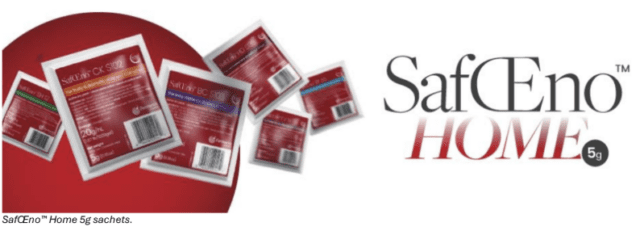
That's why we're excited to introduce a new SafOEno™ Home range of premium wine yeasts, available in convenient 5-gram sachets designed specifically for home and small-batch winemakers. The collection features six active dry yeast strains selected to support a wide range of popular wine styles and grape varieties, giving home winemakers access to the same trusted fermentation tools used by industry professionals around the world.
As Thomas Lesaffre, General Director of Fermentis, explains, "We're excited to bring the expertise and innovation of Fermentis to the home winemaking community. With the new range of 5-gram sachets, home winemakers can now enjoy the same yeasts and know-how used by industry professionals to elevate their creations."
Whether you're experimenting with a new varietal, refining a favorite style, or simply looking to achieve more consistent results, the new SafOEno™ Home range offers an opportunity to bring professional-grade fermentation solutions to every vintage.
The six products available in the Fermentis home wine range include:
•SafOEno™ BC S103: The easy choice for all types of wines, including fruit wines and sparkling.
•SafOEno™ HD S135: Ideal for producing smooth and full-bodied red wines.
•SafOEno™ FV 19: Recommended for Cabernet Sauvignon and fruity red wines.
•SafOEno™ CK S102: Perfect for creating fruity and aromatic white and rosé wines.
•SafOEno™ EF 85: Suited for Chardonnay and other elegant white wines.
•SafOEno™ SH 12: Reveals the aromatic potential of thiol-rich white varieties.
For more information about our wine yeasts, visit fermentis.com
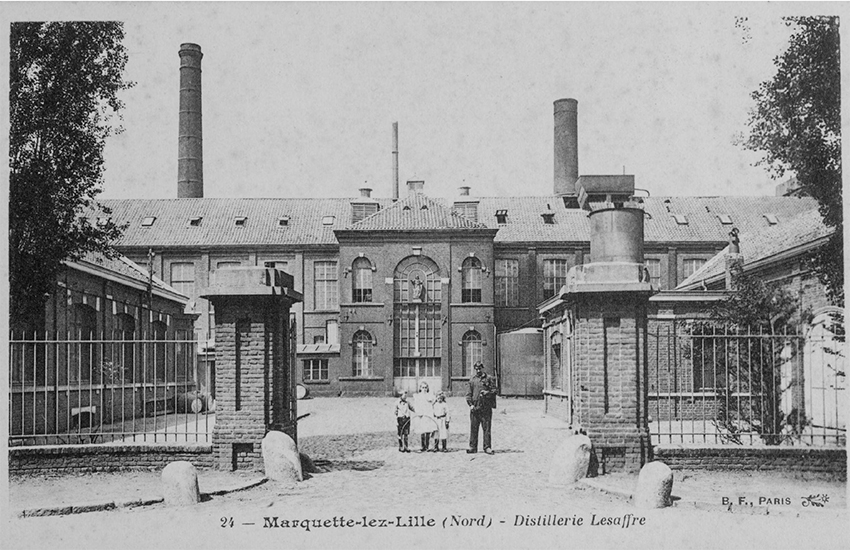
More than 180 years ago, two friends started a distillery in northern France to make grain alcohol and Dutch gin. Soon after, they turned to making fresh yeast, from which Société Industrielle Lesaffre was formed — a company that grew into a global leader in yeast and fermentation-based products. The legacy of the friendship between Louis Lesaffre and Louis Bonduelle is known today as the Lesaffre Group.
Lesaffre's commitment to advancing fermentation technologies to help support and nourish the world’s growing population has broadened its portfolio to include providing resources for human health and animal nutrition. With more than 80 production facilities worldwide, Lesaffre serves clients in over 150 countries.
Lesaffre is also the parent company of Fermentis, which was created in 2003 to specialize in yeast and fermentation solutions for beverages. Fermentis by Lesaffre draws on the expertise of Lesaffre’s 70 applied science centers, 14 sensory analysis labs and 850 R&D experts to develop better fermentation outcomes. They even have an innovative hub dedicated to beverage making, named the Fermentis Academy. At the Fermentis Academy, the team works on new products, improves existing ones and educates the users with events organised throughout the world.
Wineries know Fermentis as a trusted supplier, but its reach extends beyond wine. From beer to spirits, meaderies to ciderhouses and even coffee makers, Fermentis meets beverage makers' needs
Anne Flesch, Technical Sales Support Manager, says, “More than a supplier, we want to share with beverage makers our most valuable asset: our knowledge and passion. To do so, our expert advisors are available to meet and advise customers throughout the world. This is best illustrated by the Fermentis Academy, which develops and shares knowledge about our products. Overall, we try our best to combine the Lesaffre quality with local and passionate experts.”
An innovator in fermentation
Fermentis is always looking for ways to simplify winemaking and improve fermentation management for its customers.
One of its most significant innovations was E2U™ (Easy to Use) Certified products. The yeast certified E2U™ can be added directly to the must without the traditional rehydration step, saving time, energy and water while reducing handling. The E2U™ certification is delivered after extensive testing and trials, guaranteeing consistent yeast viability, vitality and fermentation performance and wine quality.
Learn more about the E2U™ yeast winemakers have been using for 10 years: article, webinar.
Newer developments highlight Fermentis’ commitment to staying on top of the latest winemaking trends:
Low SO2 Winemaking Solutions: To help winemakers meet the growing demand for more natural winemaking practices, Fermentis launched a new non-Saccharomyces yeast strain, Metschnikowia pulcherrima, last year. SafOeno™ Bioprotect MP-72 allows to bioprotect the must while reducing reliance on sulfur dioxide and other chemical additives. Learn more: article, webinar.
Liquid Yeast Nutrient for Automation: Fermentis’ pioneering work in fermentation nutrition led to the first liquid yeast-derivative nutrients designed specifically for use with automated winemaking machinery. Viniliquid™ is 100% yeast derived and is the ideal nutrient for fermentation or propagation. It is versatile from small fermenters eased additions to large automated dosing systems. Most of all it is easy and safe to use in the cellar. Fermentis is introducing this year a new all-in-one liquid nutrient that combines mineral nitrogen and yeast-derived components to further support modern winemaking efficiency. Learn more: article.
Low Alcohol Wine Research: Consumer demand for wines with lower alcohol levels led Fermentis to invest in research into harvest timing, yeast strains, and yeast derivatives to find the optimal way to lower the amount of fermentable sugars without influencing fermentation performance, aromatic expression or overall wine quality. They explored fermentation solutions that would allow grapes to be harvested earlier while still producing balanced wines. The resulting approaches can help reduce final alcohol levels by approximately 1%-3%. Learn more: webinar.
Whether the challenge is reducing sulfur inputs, adapting to automation, or producing balanced wines at lower alcohol levels, today's winemakers are being asked to evolve quickly—and the tools they rely on need to evolve with them. Fermentis's recent innovations reflect a company listening closely to where the industry is headed, and investing in the research to help winemakers get there. It's a continuation of the same curiosity that started in a small French distillery more than 180 years ago.
To learn more about Fermentis, you can visit Fermentis website or read their online brochure. You can also contact their US preferred distributor atpgroup.com
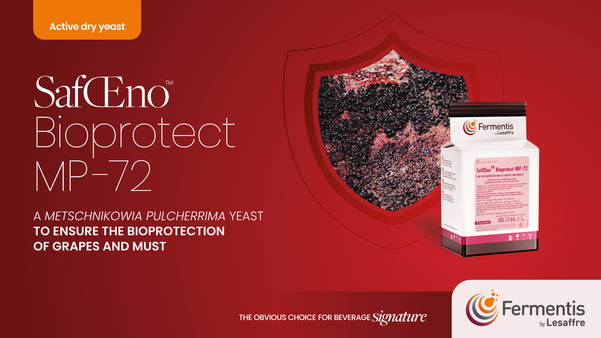
Selected for its very low fermentation capacity, SafŒno™ Bioprotect MP-72 is particularly suitable for the bioprotection of musts and grapes.
SafŒno™ Bioprotect MP-72 is recommended for pre-fermentation phases on white and rosé musts (cold settling and stabulation) and on red grapes during cold soak/cold maceration.
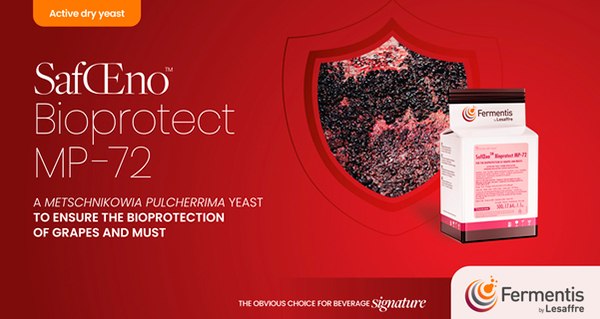
SafŒno™ BioProtect MP-72 was isolated in a Loire Valley vineyard in France through a program carried out in partnership with the French Institute of Vine and Wine (IFV). Selected for its very low fermentation capacity, SafŒno™ Bioprotect MP-72 is particularly suitable for the bioprotection of musts and grapes.
More information: Bioprotection for Grapes & Fruits | SafŒno™ Bioprotect MP-72
As a wine consumer, if you are looking for qualitative low-to-no-sulfite wines, you know it can be challenging. As a winemaker, if you are trying to craft wines with lower levels of sulfites, you know it is difficult to achieve. It requires a deep understanding of your processes, a solid knowledge of the science behind sulfites mechanisms of action, and continued efforts at all stages of your wine’s life cycle.
The reasons why you are working on a low(er) SO2 winemaking program can be very diverse and multiple. You may be producing organic wines or simply trying to follow regulatory limits. You may be targeting to reduce the allergens in your wines or trying to use fewer chemicals in general. You may be worried about the negative effect that SO2 can have on your wines’ organoleptic qualities, or you are simply targeting to follow the overall health trend. In any case, Fermentis has solutions for you.
As a global leader in the research and development of fermentation solutions for the beverage industries for nearly 170 years, Fermentis by Lesaffre has developed creative products to help winemakers in their low sulfites projects. A recent Wine Industry Advisor webinar on Low SO2 Winemaking Solutions benefited from the expertise of Anne Flesch, Technical Sales Support Manager for Fermentis in the Americas. “For those seeking a low SO2 regimen, we recommend employing a multi-targeted approach using microbiological, chemical, and/or physical alternatives to replace its functions. Focusing and harnessing the power of Yeast and Yeast Derivatives is a good first step to take”, says Anne Flesch.
Understand the value of SO2 and the great potential of alternatives
In the must, SO2 helps prevent the onset of undesirable fermentations, such as those from acetic acid bacteria, and inhibits oxidative enzymes like grape tyrosinases and laccases. In the finished wine, it protects against bacterial and Brettanomyces spoilage. It also guards against oxidation during winemaking operations and helps prevent off-flavors and color degradation. Thus, lowering SO2 risks losing its antimicrobial, antioxidant, and oxidase-inhibiting properties and requires far greater stringency by the winemaking team. Anne Flesch noted that “it’s very easy to go overboard with SO2 as a safeguard of your operations but high levels can result in less fruity wines, a bitter or burning taste, or even a matchstick odor”, all characteristics that can be apparent to consumers.
This harvest Fermentis’ portfolio will include a new non-Saccharomyces yeast strain, a Metschnikowia pulcherrima, called SafOeno™ Bioprotect MP-72, which can be a great bioprotection tool for your must. It has the ability to colonize the pre-fermentation must, reducing the growth of non-desirable yeast and reducing the need for SO2 at this stage. It can be used in white or rose musts from short clarification to longer pre-fermentation practices such as stabulation for up to 5 days at ~10°C /50°F or 10 days at ~4°C /40°F. It can also be used in red winemaking during cold soak. Then, as soon as you inoculate with your chosen commercial Saccharomyces cerevisiae, it will quickly take over for the alcoholic fermentation’ adds Flesch. The additional value is that it can increase the aromatic profile and volume of your wines, while keeping its analytical profile without fault and lower in sulfites.
Other products that help craft low sulfite wines include a selection of low SO2 producing SafOeno™ yeasts and yeast-derived nutrients, including SpringFerm™ Equilibre rich in thiamine (a vitamin proven to reduce SO2 production during fermentation) and SpringFerm™ Xtrem. “Carefully managing your fermentations should be a big part of your low SO2 winemaking program”. Other yeast-derived tools include SpringArom™, an inactivated yeast rich in glutathione, a natural antioxidant molecule. It can be used before and until the end of the fermentation in whites and roses. There are also yeast derivatives that mimic aging on lees and limit the microbial risks associated with such practices, such as SpringCell™ Color G2 to be used just before yeast inoculation or SpringCell™ Manno for use at the end of fermentation or the beginning of aging.
In addition, Fermentis’ North American distributor, ATPGroup, also carries products that complete a low SO2 program, including antioxidant tannins, antimicrobials like Vin-Chito (chitosan) and Vin-Lyso (lysozyme) or antioxidation products such as OxyGuard (micro- and nano-crystalline cellulose).
For more information and recommendations of protocols, Fermentis would love for you to reach out. For more details, please also refer to Fermentis and ATPGroup’s Low SO2 Winemaking Solutions webinar

Watch this Fermentis & ATP Group webinar to explore practical strategies for lowering sulfites in winemaking. From harvest to bottling, learn how to optimize SOâ‚‚ use with bioprotection, fermentation tips, and cellar management for the 2025 vintage.
Lowering SO2 in Your Wine is Getting Easier
With this New Bioprotection Solution
As a wine consumer, if you are looking for qualitative low-to-no-sulfite wines, you know it can be challenging. As a winemaker, if you are trying to craft wines with lower levels of sulfites, you know it is difficult to achieve. It requires a deep understanding of your processes, a solid knowledge of the science behind sulfites mechanisms of action, and continued efforts at all stages of your wine’s life cycle.
The reasons why you are working on a low(er) SO2 winemaking program can be very diverse and multiple. You may be producing organic wines or simply trying to follow regulatory limits. You may be targeting to reduce the allergens in your wines or trying to use fewer chemicals in general. You may be worried about the negative effect that SO2 can have on your wines’ organoleptic qualities, or you are simply targeting to follow the overall health trend. In any case, Fermentis has solutions for you.
As a global leader in the research and development of fermentation solutions for the beverage industries for nearly 170 years, Fermentis by Lesaffre has developed creative products to help winemakers in their low sulfites projects. A recent Wine Industry Advisor webinar on Low SO2 Winemaking Solutions benefited from the expertise of Anne Flesch, Technical Sales Support Manager for Fermentis in the Americas. "For those seeking a low SO2 regimen, we recommend employing a multi-targeted approach using microbiological, chemical, and/or physical alternatives to replace its functions. Focusing and harnessing the power of Yeast and Yeast Derivatives is a good first step to take", says Anne Flesch.
Understand the value of SO2 and the great potential of alternatives
In the must, SO2 helps prevent the onset of undesirable fermentations, such as those from acetic acid bacteria, and inhibits oxidative enzymes like grape tyrosinases and laccases. In the finished wine, it protects against bacterial and Brettanomyces spoilage. It also guards against oxidation during winemaking operations and helps prevent off-flavors and color degradation. Thus, lowering SO2 risks losing its antimicrobial, antioxidant, and oxidase-inhibiting properties and requires far greater stringency by the winemaking team. Anne Flesch noted that “it's very easy to go overboard with SO2 as a safeguard of your operations but high levels can result in less fruity wines, a bitter or burning taste, or even a matchstick odor”, all characteristics that can be apparent to consumers.
This harvest Fermentis’ portfolio will include a new non-Saccharomyces yeast strain, a Metschnikowia pulcherrima, which can be a great bioprotection tool for your must. It has the ability to colonize the pre-fermentation must, reducing the growth of non-desirable yeast and reducing the need for SO2 at this stage. It can be used in white or rose musts from short clarification to longer pre-fermentation practices such as stabulation for up to 5 days at ~10°C /50°F or 10 days at ~4°C /40°F. It can also be used in red winemaking during cold soak. Then, as soon as you inoculate with your chosen commercial Saccharomyces cerevisiae, it will quickly take over for the alcoholic fermentation’ adds Flesch. The additional value is that it can increase the aromatic profile and volume of your wines, while keeping its analytical profile without fault and lower in sulfites.
Other products that help craft low sulfite wines include a selection of low SO2 producing SafOeno™ yeasts and yeast-derived nutrients, including SpringFerm™ Equilibre rich in thiamine (a vitamin proven to reduce SO2 production during fermentation) and SpringFerm™ Xtrem. “Carefully managing your fermentations should be a big part of your low SO2 winemaking program”. Other yeast-derived tools include SpringArom™, an inactivated yeast rich in glutathione, a natural antioxidant molecule. It can be used before and until the end of the fermentation in whites and roses. There are also yeast derivatives that mimic aging on lees and limit the microbial risks associated with such practices, such as SpringCell™ Color G2 to be used just before yeast inoculation or SpringCell™ Manno for use at the end of fermentation or the beginning of aging.
In addition, Fermentis’ North American distributor, ATPGroup, also carries products that complete a low SO2 program, including antioxidant tannins, antimicrobials like Vin-Chito (chitosan) and Vin-Lyso (lysozyme) or antioxidation products such as OxyGuard (micro- and nano-crystalline cellulose).
For more information and recommendations of protocols, Fermentis would love for you to reach out. For more details, please also refer to Fermentis and ATPGroup’s Low SO2 Winemaking Solutions webinar

Join Fermentis and ATP group to discuss different winemaking solutions to craft wine with lower sulfites. In this session we will discuss the basics of SO2 management, why reduce it, the different strategies to implement from harvest to bottle to help decrease the use and production of SO2, how to optimize its efficiency.
Some topics discussed will be good pre-fermentation practices, bioprotection, fermentations optimization, aging in the cellar and pre-bottling practices. We will discuss microbial and oxidation management through the life of wines. The seminar will focus on sharing implementable solutions for the 2025 harvest.
Speakers