

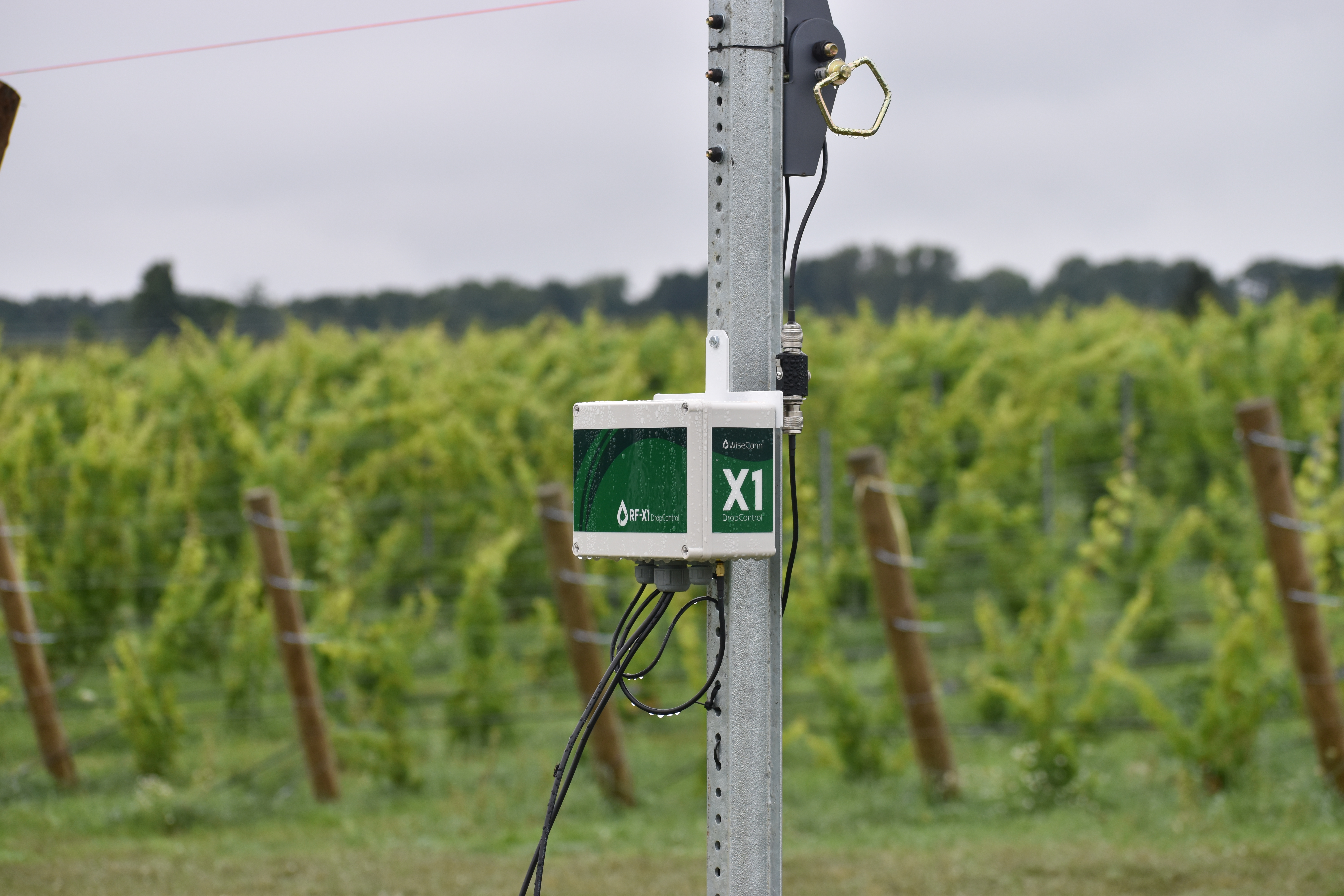
Across California vineyards, soil health is becoming more measurable, shifting the focus from practice alone to understanding how soils actually function and how that impacts water management in the field. Rather than relying only on inputs like cover crops or compost, growers are starting to look more closely at how their soils hold, move, and supply water to the vine throughout the season.
Soil health is not a single metric, but a combination of physical, chemical, and biological factors that work together. Indicators like soil organic carbon, mineralizable carbon, and aggregate stability are becoming more widely used because they help explain how well a soil can retain moisture, support microbial activity, and maintain structure under irrigation. These characteristics directly influence how water is stored in the root zone and how consistently it is available to the vine.
That variability becomes especially important during irrigation season. Two blocks receiving the same irrigation can respond very differently depending on soil composition and structure. Heavier soils may hold moisture longer and release it slowly, while lighter soils can dry down quickly and require more frequent attention. Without measurement, these differences are easy to overlook, leading to uneven irrigation and inconsistent vine performance across the vineyard.
Monitoring helps bring those differences into focus by showing how soils are holding and releasing water as conditions change. As vine demand increases through the season, tracking soil moisture alongside these underlying soil characteristics allows growers to adjust irrigation timing and duration based on how each block is actually performing rather than relying on fixed schedules. Over time, this creates a clearer understanding of how different areas of the vineyard respond to both irrigation and management practices.
Interpreting that information is just as important as collecting it. Individual readings only provide a snapshot, while trends over time reveal how soils are changing and how quickly moisture is being used. This is especially important because improvements in soil health tend to happen gradually, often over multiple seasons, while irrigation decisions need to be made daily. Soil moisture data plays a key role in connecting those long-term characteristics with real-time conditions in the field.
When both are considered together, irrigation becomes more precise and consistent. Water can be applied based on how soils actually behave, helping avoid overwatering in areas that retain moisture and under-irrigating those that dry down faster. Platforms like WiseConn’s DropControl support this approach by bringing soil moisture, system performance, and field data into one place, making it easier to follow trends and adjust irrigation as conditions shift throughout the season.