

By Michael Sobe and Sebastian Bausinger
Protein precipitation is a major problem, mainly in white and rosé wines. This is caused by the aggregation of proteins. In the process the proteins dissolved in the wine group together to form precipitates or floccules. Protein aggregation is affected by changing conditions, such as the pH value, storage temperature and phenolic compounds (Claus et al. 2014).
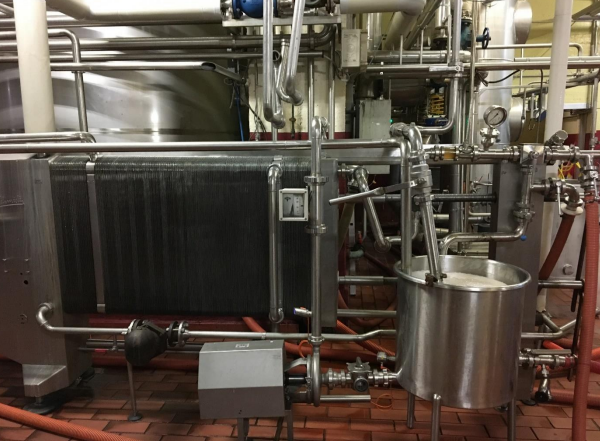
Since the International Organisation of Wine and Wine (OIV) approved aspergillopepsin I for winemaking, for the first time the user has a reliable and reasonably priced enzymatic method of protein stabilisation at their disposal. As a result, use of aspergillopepsin I in combination with heat treatment and subsequent filtration to remove turbidity-forming proteins from white, rosé and sparkling wines has been included in the OIV Codex. Adoption into EU law took place as a result of amendment of Regulation EU 2019/934 on 27 October 2021.