
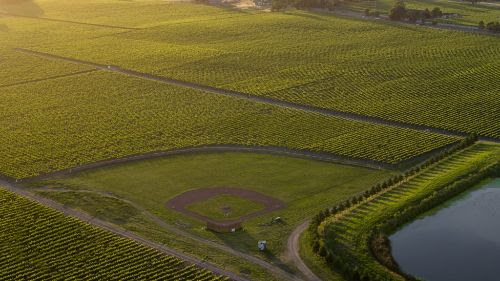
 In the film Field of Dreams, a quiet voice whispers a simple promise: “If you build it, he will come.”
The idea was never really about baseball. It was about creating something meaningful and trusting that the right people would be drawn to it.
The wine industry is standing at a similar crossroads.
For decades, wineries have operated on a simple assumption: make great wine, tell a compelling story, and consumers will come. Craft the product. Earn the accolades. Build the brand.
But the next generation of wine consumers is telling us something different.
Gen Z, now entering legal drinking age and shaping the future of hospitality, is not primarily seeking bottles to collect or scores to chase. Many say they are looking for something more fundamental: connection, community, and places where they can gather with friends away from the constant pull of the digital world.
In other words, they are looking for a third space.
For winery owners, executives, and Direct-to-Consumer leaders, the opportunity ahead is clear. The wineries that thrive in the next decade will not simply sell wine.
They will build environments people want to return to again and again.
The Cultural Shift Toward the Third Space
Sociologist Ray Oldenburg coined the term “third space” to describe places outside of home (the first space) and work (the second space) where people gather, socialize, and build community.
Historically, cafés, pubs, parks, and neighborhood gathering places served this role.
Today, many of those spaces are disappearing. At the same time, research consistently shows younger consumers are actively searching for places that offer authentic in-person experiences.
Polly Hammond of 5forests recently explored this concept in her research on hospitality and the evolving role of gathering spaces. Her work highlights that younger consumers are increasingly drawn to environments that foster belonging, discovery, and shared experience rather than traditional transactional retail models.
Wine has a natural role to play here.
Not as the center of attention.
But as the facilitator of connection.
Experience Over Possessions
Young consumers are leading the shift toward the experience economy, prioritizing memorable activities over physical goods.
Spending on experiences such as events, travel, and entertainment has surged as younger consumers increasingly value connection and memories over material accumulation. (Source: Forbes – The Experience Economy and Gen Z)
Implication for wineries:
Wine may be the product, but the experience surrounding it is what people are truly buying.
Why Traditional Tasting Rooms May Not Resonate
Many tasting rooms today were designed around the priorities of previous generations of wine consumers.
Baby Boomers often approached wine through collection and cellar-building. Wine clubs offered access to allocations and rare releases.
Gen X and Millennials often engaged through scores, prestige, and discovery, influenced by critics, publications, and the excitement of finding the next great bottle.
Those models built extraordinary businesses.
But they were built for a different moment.
- Gen Z consumers often approach wine with different motivations:
- They value experiences over possessions
- They seek casual, social environments
- They want places where they can gather with friends without intimidation
- They are curious about wine but less interested in long-term cellar collecting
When tasting rooms feel designed primarily for previous generations, younger consumers may simply conclude that wine spaces – and wine clubs – are not built for them.
That is not purely a product problem.
It is a relevance problem.
Physical Experiences Still Matter
Despite growing up online, 61% of Gen Z prefers discovering new products in physical spaces rather than online. (Source: PwC Consumer Insights Survey)
Implication for wineries:
Tasting rooms remain one of the wine industry’s greatest strategic assets, but is also one of its most underleveraged for brand strategy.
The Liquid Matters Too
There is also an important nuance in conversations about Gen Z and alcohol consumption.
Yes, some younger consumers are exploring moderation or lower-alcohol options.
But they are also in an age defined by discovery.
When many older generations entered wine, very few began with ultra-premium wines. They started with accessible entry points that allowed them to explore, learn, and develop their palate over time.
That raises an important question for wineries today:
Are we creating those same entry points for this generation?
Exploratory flights, accessible wines, social tastings, and relaxed formats can all serve as a welcoming on-ramp into the category.
The goal is not to dilute wine.
The goal is to invite curiosity.
Gen Z Is Value Conscious
79% of Gen Z consumers report waiting for sales or promotions before making purchases. (Source: PwC Global Consumer Insights)
Implication for wineries:
Accessible experiences and flexible membership structures can lower barriers to entry.
Designing the Winery as a Third Space
If wineries want to attract younger consumers, the conversation must shift from product to environment design.
What would it look like to create a space people want to visit regularly with friends?
- Some possibilities include:
- Comfortable lounge areas for casual hangouts
- Community tables that encourage conversation
- Flexible indoor and outdoor gathering spaces, built around analog experiences
- Programming focused on discovery and participation
- Environments where guests feel comfortable staying longer
In this model, wine becomes the shared medium of connection rather than the sole focus of the visit. The trick is finding something on brand that connects to the analog world.
Real-World Experiences Are Making a Comeback
Gen Z increasingly seeks authentic, tangible experiences to balance digital life. (Source: First Event Experience Economy Research)
Implication for wineries:
Community-driven environments may resonate more than traditional tastings.
Rethinking the Wine Club as a Community
Wine clubs have traditionally revolved around shipments.
But what if the club of the future was designed around community and experience?
Forward-thinking wineries are already experimenting with expanded membership models.
Social Memberships
A lower-commitment membership focused on access to experiences rather than required wine purchases.
- Benefits might include:
- Invitations to monthly gatherings
- Access to members-only events
- Preferred pricing on wine and experiences
- A digital wallet usable for tastings, events, or food pairings
These models can complement traditional wine clubs while opening the door for younger consumers.
Tasting rooms remain one of the wine industry’s greatest strategic assets, but is also one of its most underleveraged for brand strategy.
Community-Centered Events
Events that encourage shared participation help transform wineries into gathering places.
- Examples include:
- Supper clubs
- Vinyl listening nights
- Vineyard yoga or fitness classes
- Analog game nights
- Wine and book clubs
- Creative workshops
- Local artist showcases
- Seasonal harvest gatherings
The common thread is simple:
The winery becomes a place to gather, not just a place to taste.
The Generation to Watch
Gen Z spending is projected to surpass Baby Boomer spending globally by the end of this decade. (Source: McKinsey Consumer Insights)
Implication for wineries:
Engaging this generation now is essential for long-term growth.
Turning Hospitality Into Growth
For Direct-to-Consumer teams, these ideas translate directly into measurable outcomes.
- When guests return regularly:
- Revenue per visitor increases
- Wine club conversion becomes more natural
- Long-term relationships develop
This is where the WISE Triple Score becomes especially powerful.
- Every guest interaction presents three opportunities:
- Ask for the order
- Invite the guest to join the appropriate club or membership
- Capture contact information to continue the relationship
Frontline hospitality teams play a critical role here. Creating an inviting space is only part of the equation.
Teams must confidently invite guests to stay connected so those first visits can grow into lasting relationships.
Practical Steps Wineries Can Take Now
- For wineries beginning to think about attracting younger consumers, consider a few guiding questions:
- Evaluate your environment
Would a group of 25-year-olds feel comfortable spending an afternoon here? - Expand entry points
Consider social memberships or experience-based clubs alongside traditional shipments. - Create recurring events
Consistency builds community and gives guests a reason to return. - Train your team
Hospitality should feel welcoming, curious, and conversational. - Capture the relationship
Make sure every guest interaction includes an invitation to stay connected.
The Opportunity Ahead
The wine industry does not lack great wine.
What it needs are places where people want to gather.
The next generation of wine consumers will not be built solely through distribution channels or critic scores.
They will be built through experiences that create belonging.
When wineries design environments that foster curiosity, friendship, and community, something powerful happens.
People return.
They bring friends.
They become members.
They build traditions.
In the end, the message from Field of Dreams still holds true.
If we build it thoughtfully, with the next generation in mind, they will come.