Before you spend money on a new wine label, finish this sentence:
“This investment will be worth it if _______.”
The answer tells us more than showing us a bunch of labels you like.
Perhaps you’re asking $45 for a wine whose packaging suggests $20. Perhaps customers love one of your wines without recognizing the others on the shelf come from your winery too. Perhaps your distributor struggles to explain what makes your brand worth carrying.
Those are three different problems. They deserve three different approaches.
At Sara Nelson Design, clients often arrive asking for a label, a logo or a brochure. Our first job is to understand what they need it to accomplish.
Keep What’s Working
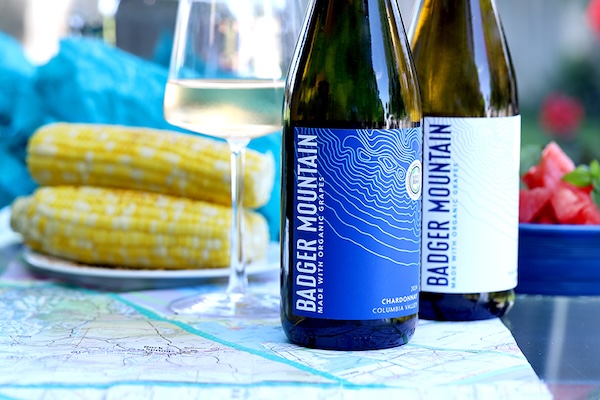
Badger Mountain Vineyard already had something valuable: a powerful signature color—cobalt blue.
We kept that asset, brought the mountain into the visual story and used printing technology to amplify the bottle’s vibrancy.
Badger Mountain later reported that the label refresh played a pivotal role in helping secure new distributors and additional opportunities.
A refresh should build on the recognition you’ve earned. Knowing what to keep is part of the work.
Your Money Goes Further When…
Who needs to notice your wine? What should they understand about it? What makes it worthy of the price?
The answers shape what we design. Production knowledge helps us make it happen.
A distinctive label still needs to fit your bottle, run smoothly on your bottling line, survive an ice bucket and make financial sense at your quantities. We consider those practical details during design, while there’s still time to solve problems before they become expensive surprises.
What Would Make Your Next Investment Worthwhile?
A stronger position at $45? A wine family customers recognize? A story your distributor can sell?
Let’s start there.
Call Sara Nelson Design at 509-545-4584—before you pay to print another label that keeps the same problem on the shelf.

No NA Wine in Your Lineup?
Who’s Getting the Next Pour?
You’ve worked hard to become someone’s favorite winery. Then they decide to drink less alcohol—and you hand the next sale to someone else.
They may still love your wine. They may still want a beautiful bottle on the dinner table, something worth pouring for friends and a glass that belongs in the toast. But tonight, they want less alcohol. Or none.
What do you have for them?
A thoughtfully developed low or non-alcoholic wine (“LoNo”) gives you an answer. And several good reasons to reconsider your lineup.
They’re switching. Can you keep up?
People don’t always spend an evening choosing between drinking and abstaining. Some move back and forth.
There’s a name for it: “zebra striping”—alternating alcoholic and non-alcoholic beverages throughout the evening.
A glass of your Chardonnay. A glass of NA sparkling. Perhaps a red with dinner.
If you offer both, your brand can have a place in more of those pours. If you offer only traditional wine, you leave the other choices to somebody else’s portfolio.
Water is a pretty low bar for hospitality
Four people walk into your tasting room. Three do tastings. The fourth gets a glass of water and waits.
You’ve created a lovely experience for three-fourths of them.
An appealing NA offering gives that fourth guest something to choose, taste and talk about. They get to participate instead of feeling like the proverbial fifth wheel.
That matters when the group decides where to go next weekend. The person skipping alcohol gets a vote, too.
It’s much like having a friend who is vegetarian or gluten-free. Considerate friends choose destinations where everyone can find something to enjoy.
“Would you like fries with that?”
Your customer is hosting dinner. Some guests drink. Some don’t. Some will do a little of both.
You can sell them the wines for their dinner party, with an NA bottle as a natural additional purchase. If they’re not buying it from you, they may shop elsewhere to find a suitable wine alternative.
The same opportunity can extend to weddings, restaurant pairings, corporate events and gifts. A good host wants everyone to feel considered. A desirable NA wine helps them do that without putting a juice box next to the stemware.
Nobody owes the table an explanation
“I’m not drinking tonight” can turn into a conversation someone never wanted to have.
A guest may want to skip alcohol and keep their reason private. They still want to raise a glass, enjoy dinner and be part of the evening without answering awkward questions.
Clear labeling and thoughtful presentation can do both jobs: make the contents easy to identify and give the person holding the glass something they’re delighted to drink.
But another SKU won’t rescue a weak idea
An NA wine needs to earn its place. Taste matters—a lot! So do production costs, pricing and whether your customers actually want what you’re offering.
A growing category can tempt a winery to rush straight to a label. That’s an expensive place to begin guessing.
Will your existing brand give the product credibility? Would a separate identity connect better with its intended audience? What makes it desirable enough to buy again?
Packaging can invite the first purchase. The product has to earn the second.
Your NA wine. Our design. Fewer headaches.
Your TTB-approved label doesn’t become an NA label because you added two letters.
NA wine labels fall under FDA labeling requirements rather than the TTB wine-labeling framework used for wines at 7% ABV and above. Product descriptions, ingredient declarations and nutrition labeling need their own attention, including any applicable exemptions.
And that’s only one piece of the puzzle.
You have a customer in mind, a price to support and a bottle that needs to look like it belongs at the table. Your producer has supplied information that needs translating into label copy. The printer needs usable artwork. That gorgeous paper may come with a minimum order that blows your budget. And all the required information must miraculously fit into four square inches.
This is where Sara Nelson Design comes in.
We design the label and help untangle the decisions around it: what deserves attention, where the required information belongs, which materials make sense and how to get the design into production. When the bottle, budget and printing process pull in different directions, we help find a workable path.
Bring us the product, the audience and all the loose ends. We’ll help you turn them into packaging you’re proud to put your name on—and your customers are pleased to put on the table.
See some of our work on NA wine brands.
Want a fresh take on your traditional wine labels? Explore our Wine Label Design portfolio.
:max_bytes(150000):strip_icc()/Wine-Label-Can-Help-Guide-FT-DGTL0926-02-aa3532ab3a6b42f59ffc6d425c2c494a.jpg)
Yes, You Can Totally Buy a Wine Just Because You Like the Label
From minimalist typography to playful illustrations, a wine label can offer clues about a bottle’s style, personality, and even the winemaker’s approach, but there’s more to consider before you buy.
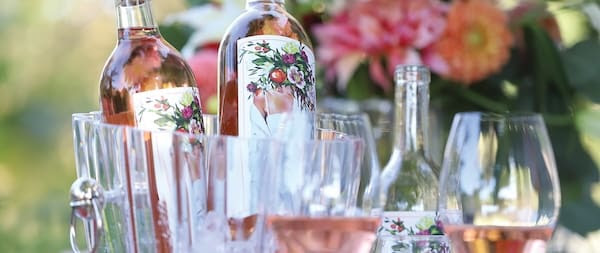
Sara Nelson Design builds wine brands from the foundation up, aligning strategy, identity and packaging around the same message and the same business goals.
Badger Mountain Vineyard’s new label helped them secure new distributors.
Revelation by Goose Ridge grew 185% nationally.
These results move design firmly into the business conversation.
Preserving the Familiar
Badger Mountain Vineyard already had strong recognition in its iconic cobalt-colored bottles. Sara Nelson Design retained the familiar blue while bringing the mountain into the visual story. They also used modern printing technology to amplify the bottle’s vibrancy (and thus visibility) on the shelf.
We’ve already heard great things so far from customers and retail partners, and the label change has played a pivotal role in helping us secure new distributors and more opportunities,” said Bella Pablo, Badger Mountain Vineyard’s D2C and marketing manager.
SevenFifty Daily reports that Badger Mountain is forecasting 20 to 25 percent sales growth in 2026 as the redesigned bottles reach the market.
Successful rebrands don't discard history. The strongest move is knowing what equity to keep—and what needs to evolve.
Before the first sketch, Sara Nelson and her team clarify where the business wants to go and uncover the story customers will connect with.
Design That Buyers Connect With
Revelation by Goose Ridge celebrates three generations of women whose influence reaches from the vineyard and cellar through sales and marketing. Sara Nelson Design translated that legacy into a distinctive brand identity and package.
“Revelation is driving new consumer engagement with 185% national growth,” Quintessential Wines co-owner Dennis Kreps told Shanken News Daily. Kreps also praised the brand’s visually compelling labels and clear positioning.
The response from the trade was just as telling.
Wineries and distributors usually pursue retailers for placement. Shortly after Revelation entered distribution, a major retailer reversed that dynamic, calling the winery to say it wanted both the wine and the package in its stores.
That is what effective wine branding can do: give consumers something to recognize and buyers something they want to put on the shelf.
Build a Highly Valuable Asset
Sara Nelson and her team approach every wine brand development project knowing that the brand itself can become one of a winery owner’s most valuable assets.
Recent industry news illustrates why.
In the Pacific Rim bankruptcy, WarRoom Cellars acquired the Pacific Rim brand along with approximately one year of inventory, while the winery’s property and equipment entered a separate liquidation process, according to Northwest Wine Report.
The transaction is instructive. A winery’s name, identity, customer recognition and market position can retain commercial value independent of its physical property and equipment.
What Does Your Label Need to Do?
Does it need to support a new price point? Attract distributor interest? Become more recognizable on the shelf? Communicate your story more clearly?
Those are business questions before they are design questions.
Sara Nelson Design explores them through its Facets of Your Brilliant Brand™ process, a deep dive that establishes the brand’s positioning, audience, story and ambitions before identity and packaging decisions begin.
If your winery is ready to build a stronger brand—from its strategic foundation through identity and packaging—start the conversation at SaraNelson.com or call 509-545-4584.