
Making Time Work in the Vineyard
Time is becoming one of the most limited resources in vineyard operations. Between labor constraints and the daily demands of irrigation, many teams are spending hours on tasks that are necessary, but repetitive.
Irrigation, in particular, requires constant attention. Starting and stopping sets, adjusting valves, checking system performance, and traveling between blocks can quickly take up a large part of the day. Even when everything is running correctly, time is still spent verifying that it stays that way.
Over the course of a season, those hours add up.
Simplifying the day-to-day
Automation offers a practical way to reduce that workload without changing the goals of the operation.
Instead of managing irrigation manually, teams can schedule events in advance, make adjustments remotely, and monitor performance from a single platform. This removes the need for frequent site visits and reduces the number of routine tasks that require hands-on involvement.
With automation, teams can:
- Schedule irrigation across multiple blocks in minutes
- Start or stop sets without traveling to the field
- Monitor flow and pressure in real time
- Receive alerts only when something needs attention
This shift turns irrigation into a more streamlined process, where time is spent managing exceptions rather than constant oversight.
Creating space for better decisions
Saving time is only part of the benefit. With fewer hours spent on repetitive tasks, teams can focus on higher value work across the operation.
At the same time, having access to real-time data makes it easier to understand what is happening in the field and respond quickly when conditions change. Decisions become more informed, and adjustments can be made with confidence.
Moving forward
Automation does not replace the need for experienced teams. It gives them better control over their time.
By reducing the day-to-day demands of irrigation, vineyards can operate more efficiently, maintain consistency across blocks, and stay focused on the work that has the greatest impact throughout the season.
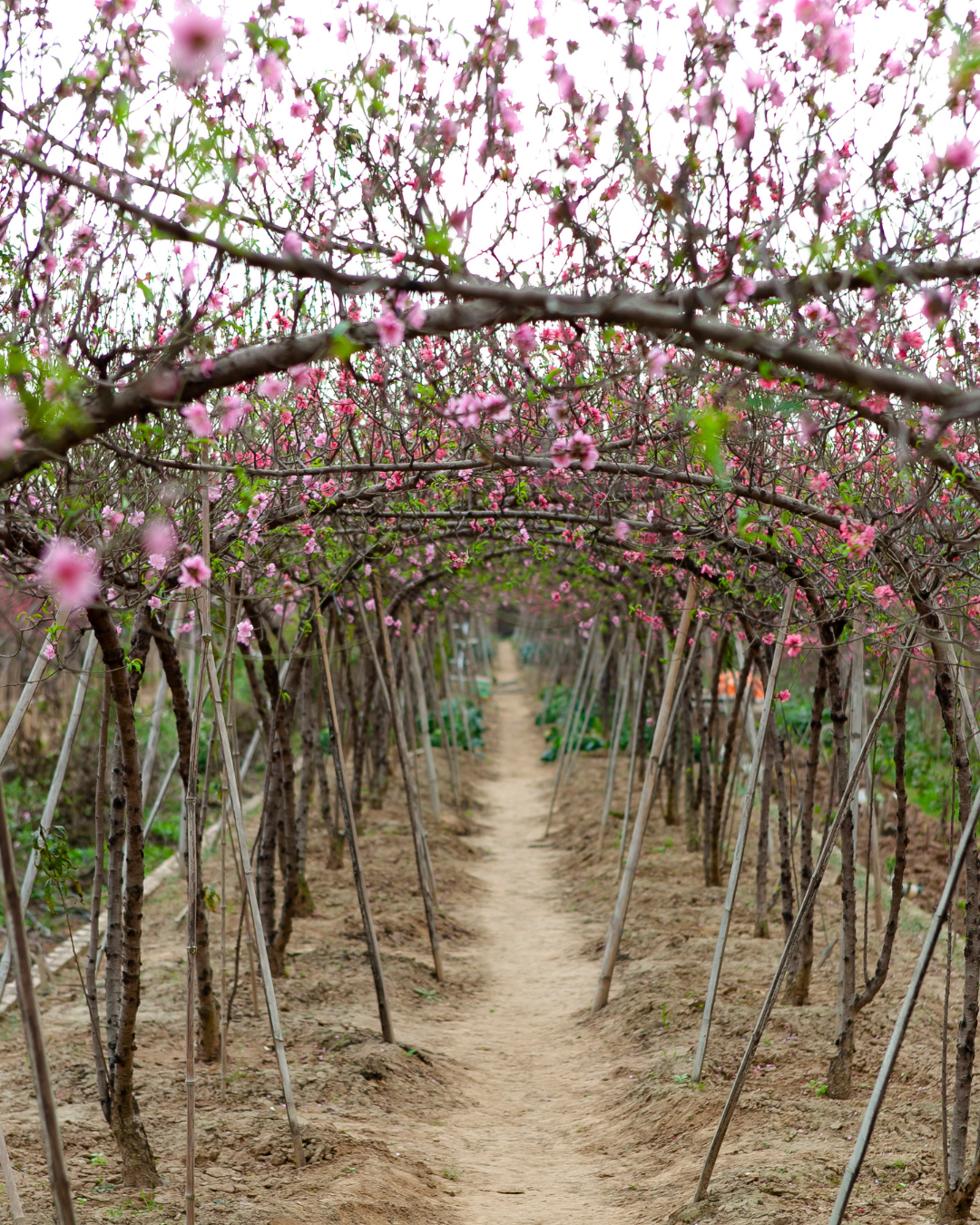
Bloom signals more than color in the field. It marks the transition into one of the most critical irrigation periods of the year.
As crops move from dormancy into active growth, water demand begins to shift quickly. Root systems wake up. Canopies expand. Evapotranspiration increases. What worked during winter or early pre-season conditions will not carry you through bloom and fruit set.
This is the moment to recalibrate.
Start with a System Check
Before peak demand hits, take time to evaluate your irrigation infrastructure:
Inspect valves, filters, and pressure regulators
Confirm flow meter accuracy
Review pump performance under load
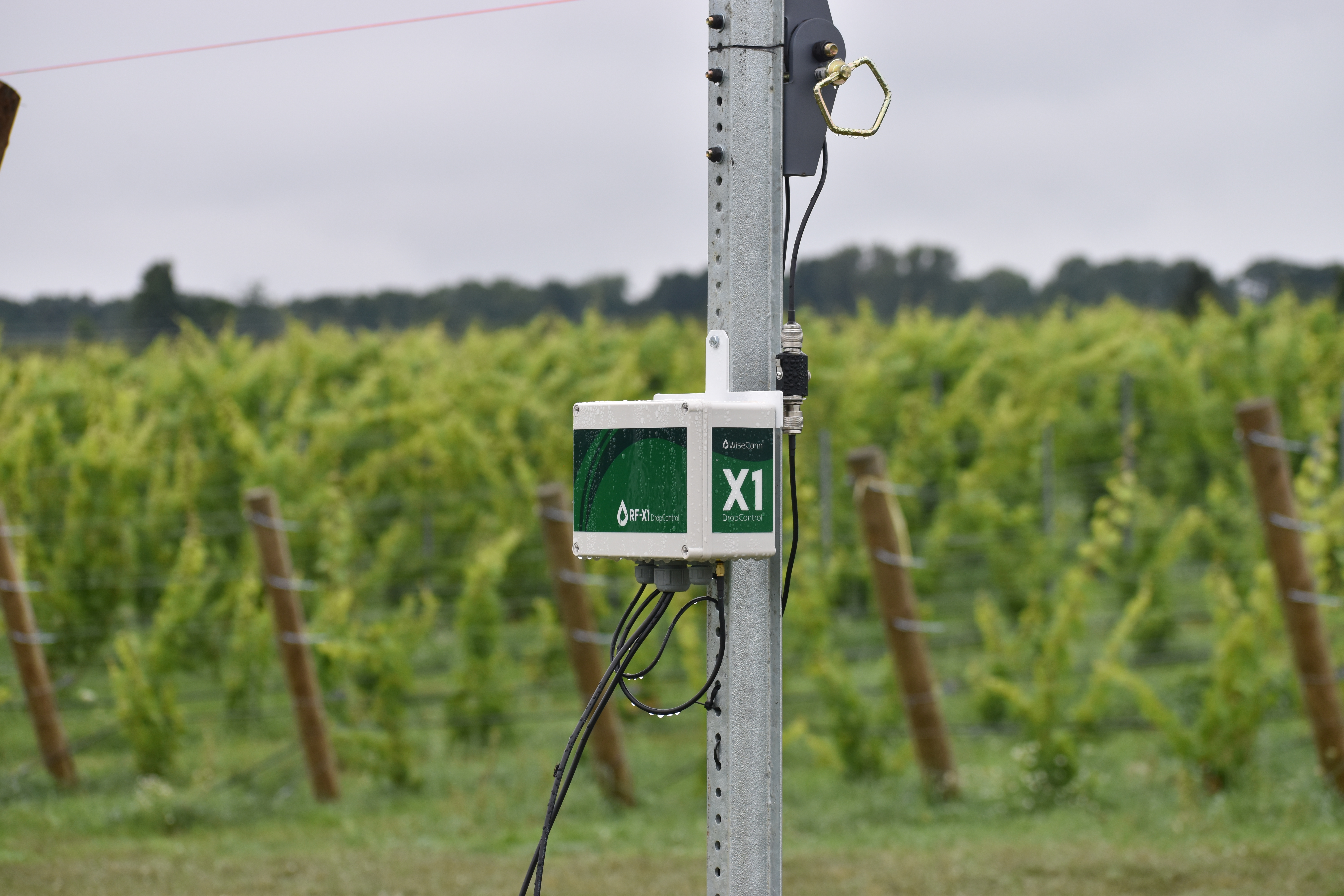
Test soil moisture sensors and telemetry connectivity
Verify that automation schedules match current crop stage
Small inconsistencies in early season can become major inefficiencies during full production.
Match Irrigation to Crop Physiology
During bloom, consistency matters. Over-irrigation can reduce oxygen in the root zone and impact nutrient uptake. Under-irrigation can stress the plant at a stage when energy is directed toward flowering and fruit set.
Instead of irrigating by calendar alone, use field data to guide timing and duration. Soil moisture trends, pressure data, and real-time flow feedback provide clarity when environmental conditions fluctuate.
Bloom is dynamic. Irrigation should be as well.
Think Ahead to Peak Demand
The decisions made during bloom influence performance later in the season. Establishing strong root development and uniform moisture distribution now supports crop load, fruit sizing, and overall plant health.
Consider:
Are you building deep, resilient root systems?
Are irrigation sets allowing proper infiltration?
Are you monitoring variability across blocks?
Preparing early allows you to respond, not react, when temperatures rise.
Data Builds Confidence
Entering irrigation season with visibility into your system changes the way decisions are made. Instead of guessing when to start or stop a set, you rely on measurable feedback. Instead of discovering issues after yield impact, you catch them early.
The upcoming season is not just about turning water on. It is about applying it with intention.
Bloom is the first chapter. The foundation you build now shapes everything that follows.
Across the vineyard industry, margins are under pressure. Rising labor costs, limited workforce availability, and increasing water expenses are forcing growers to take a closer look at where efficiencies can be gained. While market conditions may be outside a vineyard’s control, how resources are managed in the field is not.
For many operations, irrigation remains one of the largest opportunities to reduce both labor and water costs without compromising vine health or fruit quality.
Labor remains a growing challenge
Labor continues to be one of the most difficult costs for vineyards to manage. Irrigation tasks often require daily attention, including valve adjustments, system checks, troubleshooting issues, and traveling between blocks. During peak season, these tasks can consume significant time and require experienced personnel to be in multiple places at once.
Even well-run operations feel the strain when crews spend hours driving to sites simply to make routine changes or confirm systems are running correctly. Those hours add up quickly over a season and pull labor away from higher value work.
Reducing labor hours through automation
Automated irrigation management offers vineyards a way to reduce the number of hands-on tasks required each day. By managing irrigation remotely, teams can make adjustments, start or stop sets, and monitor system performance without being physically present in the field.
Automation allows growers to:
Control valves remotely instead of making frequent site visits
Schedule irrigation events in advance, reducing manual set times
Receive alerts when something needs attention, rather than checking systems proactively
Manage multiple blocks from a single platform
This shift does not eliminate the need for skilled labor, but it does allow teams to work more efficiently and focus their time where it has the greatest impact.
Water efficiency directly supports cost savings
Water costs are another major factor affecting vineyard profitability. Applying too much water not only increases water and energy expenses, but can also lead to issues such as runoff, leaching, and uneven irrigation.
With detailed flow and pressure monitoring, vineyards gain visibility into how much water is actually being applied across each block. This makes it easier to identify leaks early, verify system performance, and fine-tune irrigation schedules based on real data rather than assumptions.
Using precise irrigation data helps vineyards:
Reduce wasted water and pumping costs
Catch issues before they become expensive repairs
Apply consistent irrigation across variable block sizes
Support better long-term water management decisions
Over time, these small adjustments can result in meaningful water savings and more predictable operating costs.
Supporting profitability during a challenging market
When the industry faces economic uncertainty, efficiency becomes a competitive advantage. Reducing labor hours tied to irrigation and improving water use efficiency allows vineyards to protect margins while maintaining control over one of their most critical inputs.
Smart irrigation technology is not about replacing people. It is about giving vineyard teams better tools to manage complexity, reduce unnecessary work, and make confident decisions backed by data.
Looking ahead
As vineyards continue to adapt to changing conditions, investments in automation and data-driven irrigation management offer both immediate and long-term benefits. By addressing labor and water costs together, growers can create more resilient operations that are better equipped to navigate today’s challenges and plan for the seasons ahead.
Vineyards communicate long before the fruit shows any stress. Subtle shifts in canopy color, changes in shoot vigor, and even small variations in soil texture can reveal how each block is responding to the season. For growers, the challenge is catching those signals early enough to act with confidence.
That’s where strong water monitoring makes a difference. With tools that track soil moisture, water flow, pump activity, and irrigation timing across the ranch, growers can see where vines are holding steady and where attention is needed. Instead of guessing based on visual cues alone, they can match irrigation to the real conditions happening beneath the surface.
This approach supports more than efficiency. It protects vine health during heat events, helps stabilize fruit quality, and builds a clearer understanding of each block’s behavior over time. Every vineyard has its own pattern and rhythm. When growers can follow those patterns consistently, they gain a new level of control in how they allocate water and manage the season.

WiseConn gives growers the insight to make those decisions with clarity. By combining field sensors, reliable valve and pump control, and a platform that brings all the information together in one place, growers have a way to read the vineyard’s signals the moment they appear.
The landscape may look calm, but there is always a story unfolding beneath it. With the right data at the right time, growers can stay connected to what their vines are telling them and guide their season with a lighter touch and a stronger outcome.
As vines move into dormancy and winter approaches, vineyard teams shift their attention to preparation for the season ahead. This quiet period is an ideal moment to strengthen irrigation infrastructure, improve control, and set clear expectations for water use in the new year.
With the RF-C1, vineyard managers gain remote control and monitoring of irrigation equipment. From valve actuation to pump performance, every command can be executed and reviewed in one place on DropControl. This helps crews verify that systems are operating correctly during the off season and that any repair needs are uncovered long before bud break.
Winter is also a good time to invest in efficiency. The RF-C1 works with flow meters, pressure switches, and field devices to ensure accurate application across every block. The constant stream of data it provides supports smarter scheduling and ensures that when the vines require water again, each drop is accounted for.
WiseConn will be at the WIN Expo this year, ready to share how our technology supports vineyard sustainability and operational peace of mind. Stop by our booth to learn more and ask any questions your team has about planning for the coming season.
Better planning now protects yields and preserves water resources in the months to come. A stronger start leads to a stronger season.
As harvest winds down, irrigation often slips from top of mind, but post-harvest is one of the most important times to understand how vines use water. After the fruit is gone, the focus shifts below ground. Roots continue to grow and store carbohydrates that fuel next year’s crop, and that process depends on balanced soil moisture.
Monitoring water data after harvest helps growers protect root health, avoid stress, and prepare for pruning and dormancy. When soil dries too quickly or irrigation is inconsistent, vines may shut down early, limiting their energy reserves for the following season. On the other hand, overwatering at this stage can cause unnecessary nutrient leaching and wasted resources.
With technology like WiseConn, growers can track real-time soil moisture, flow, and valve performance across the vineyard, even when field activity slows. These insights make it easier to maintain optimal conditions through post-harvest irrigation and decide when to reduce water without harming long-term vine health.
Data from the end of the season also provides valuable trends for the next one. Reviewing irrigation performance, uniformity, and response to weather conditions gives growers a head start on planning, helping them fine-tune schedules and improve efficiency before bud break.
When vines are cared for after harvest, they start the next growing season stronger. Understanding how the soil holds water and how the vine responds is the key to sustainability and resilience year after year.
As Napa Valley heads into harvest, vineyard managers face their most decisive irrigation challenge of the year: striking the balance between protecting vine health and preserving grape quality.
Too much water at this stage can dilute flavors, push late canopy growth, and increase disease pressure. Too little risks shriveling and uneven ripening. It’s a fine line that growers can’t afford to leave to guesswork.
That’s why more vineyards are adopting precision irrigation systems. WiseConn’s DropControl connects soil moisture profiles, flow monitoring, pressure readings, and remote valve control into one platform, providing a real-time picture of conditions across the vineyard.
The benefits go beyond efficiency. With data-driven scheduling, growers can keep ripening consistent across blocks, build flavor concentration, and safeguard against late-season heat spikes. In short, they can make irrigation decisions that directly influence vintage quality.
For Napa growers, harvest is the moment when every drop counts — and the right tools ensure no decision is left to chance.
As summer unfolds across Napa Valley, vineyards are entering veraison, shifting their focus from growth to sugar accumulation and flavor development. For winegrowers, this period marks a delicate balancing act: providing just enough water to support berry development while inducing the mild stress that concentrates flavors and enhances wine quality.
Historically, irrigation decisions during veraison have relied on experience, visual cues, and sometimes educated guesswork. But with water becoming an increasingly precious resource and quality standards higher than ever, Napa growers are turning to precision irrigation tools that offer deeper insights and control.
Why Veraison Demands Precision
During veraison, the vine’s water needs become more nuanced. Over-irrigation can dilute berry flavors and increase canopy growth, leading to shading and higher disease pressure. Under-irrigation, on the other hand, risks stalling berry development and causing uneven ripening.
This fine line requires a dynamic approach — one that monitors soil moisture, plant water status, and flow rates in real time, allowing growers to respond proactively rather than reactively.
Turning Data Into Action with WiseConn
WiseConn’s DropControl system bridges the gap between field conditions and irrigation decisions. With a network of nodes and sensors across the vineyard, growers gain access to:
Soil moisture profiles at multiple depths, providing a clear picture of water availability in the root zone.
Flow monitoring that verifies uniformity and detects issues like plugged emitters or leaks.
Pressure switches that ensure each irrigation event is executed to specification.
Remote valve control, allowing adjustments in real time without stepping into the field.
But beyond just monitoring, the true value lies in automation. WiseConn enables growers to schedule irrigations based on actual field data, ensuring that every block receives the right amount of water at the right time — even as conditions change rapidly during the peak of summer.
Data-Driven Irrigation = Vintage Quality
For winegrowers, the payoff of precision irrigation is not just in water savings. It’s in the subtle yet significant improvements to grape quality:
Enhanced flavor concentration and phenolic development.
More uniform ripening across blocks.
Reduced canopy overgrowth, promoting better airflow and light penetration.
Greater resilience to late-season heatwaves.
By adopting real-time monitoring and control, Napa growers are not only protecting their yields — they’re actively shaping the character and consistency of their vintage.
Making the Switch to Precision
As the growing season progresses, the decisions made today will echo in the wines bottled tomorrow. Precision irrigation isn’t just a technological upgrade; it’s a strategic advantage for growers who are serious about quality, resource management, and operational efficiency.
WiseConn’s DropControl system is already being used by leading vineyards across Napa and Sonoma, delivering the data and control needed to manage irrigation with confidence.
If you’re interested in seeing how precision irrigation can support your vineyard goals, we’d be happy to connect and walk through your operation.
We’ve updated our soil moisture monitoring tool in DropControl to make it faster, more intuitive, and more efficient.
Allowing access to critical soil moisture profile data quickly, with better visibility, they can optimize irrigation in real time and make more accurate decisions.
We’re continuing to improve water management tools for every stage of the crop cycle.🌱
✅ Better data visualization
✅ More informed agronomic decisions
✅ Greater efficiency in irrigation and fertigation
✅ Faster and more customizable
A more intuitive interface to understand what’s happening below the surface and take action with greater precision. 💧


