
A question I get asked a lot, so I'll leave it here:
If you use AI to help write your winery's website or tasting notes, does Google penalize you for it?
No. Straight from Google's own policy: it doesn't penalize content for being written with AI. What it targets is thin, mass-produced content built to game rankings, and human-written spam gets treated exactly the same. The line was never AI vs human. It's helpful vs spam.
So a winery using AI to draft a newsletter or polish a wine description, with a real person editing, is fine. Fifty empty keyword pages is not, but that was a bad idea long before ChatGPT.
Here's the full write-up, including what the "AI watermark" talk actually means for your rankings (not much):
I'm focusing my writing on GetDiscoverable.io these days, so if this is useful, that's the best place to find more of it.
Just spent real time with InnoVint's 2026 State of Winery Health Report, and if you haven't read it yet, do — it's the clearest picture of where the industry actually stands that I've seen. 541 of us, honest numbers, and a genuinely useful playbook at the end.
The finding that stuck with me: 80% named growing sales a top concern, and 44% called it their single biggest worry — more than four times anything else. Demand is the thing keeping most of us up at night.
The AI section was fascinating too — first time they've measured it, and 60% of wineries are already using AI somewhere, most heavily in marketing. What I loved is that the report is honest about the ceiling: "AI helps wineries that are already operating well; it will not fix things for those that aren't." True of every tool, really.
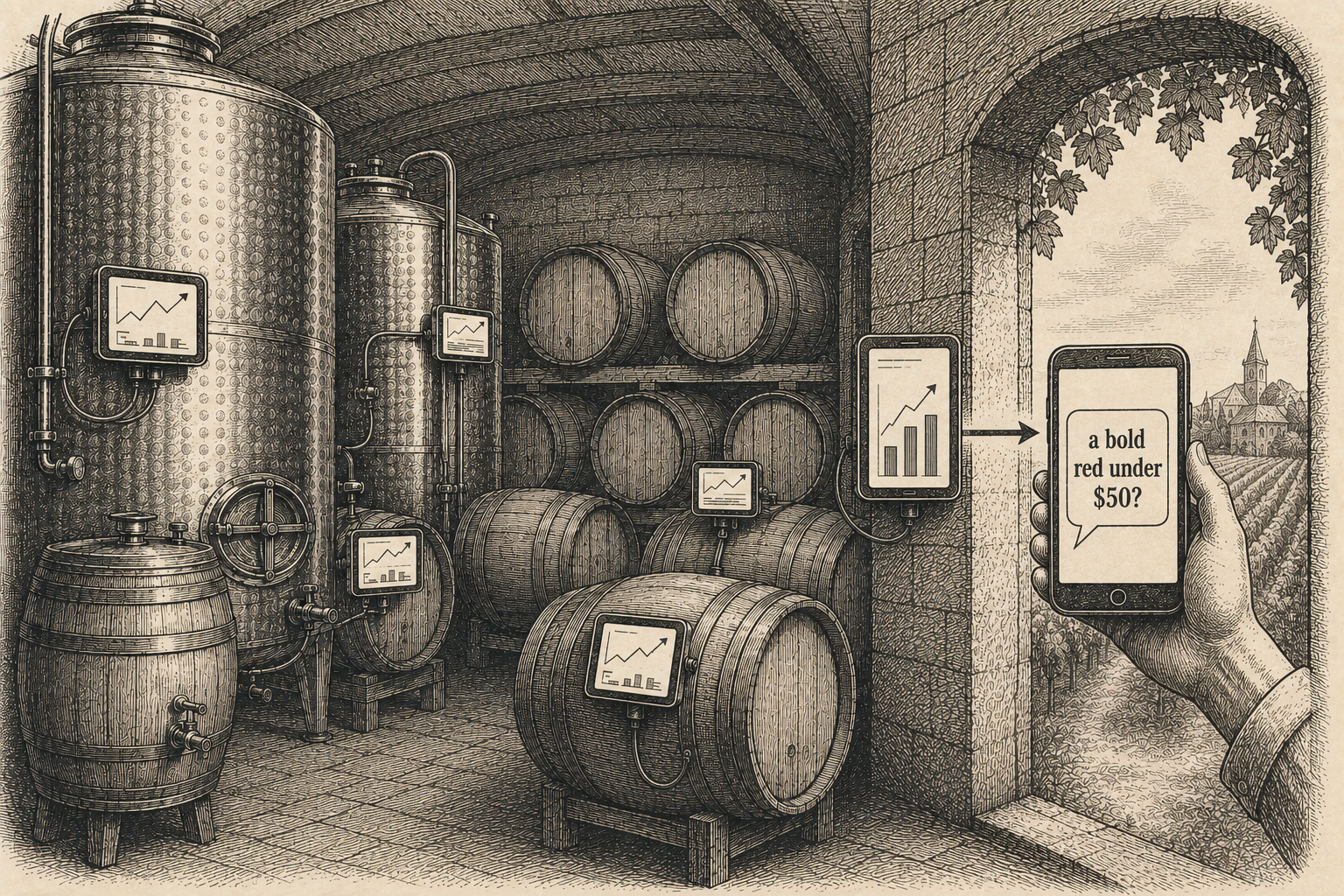
It got me thinking about a companion question — not one the report set out to answer, just one it sparked for me. The survey looks at where we put AI to work in our own operations. The flip side is the AI our buyers now use to shop: when someone asks an assistant "a crisp white for oysters" or "a bold red under $50," can it actually find and recommend your winery?
That felt worth writing up, so I did — a plain-English look at what makes a winery findable to those assistants, built on the report's own data. Link to the full article here: https://getdiscoverable.io/blog/state-of-winery-health-ai-gap/
Curious how others here are thinking about it — is anyone actively checking whether ChatGPT or Google's AI names your winery when a buyer asks? What have you seen?
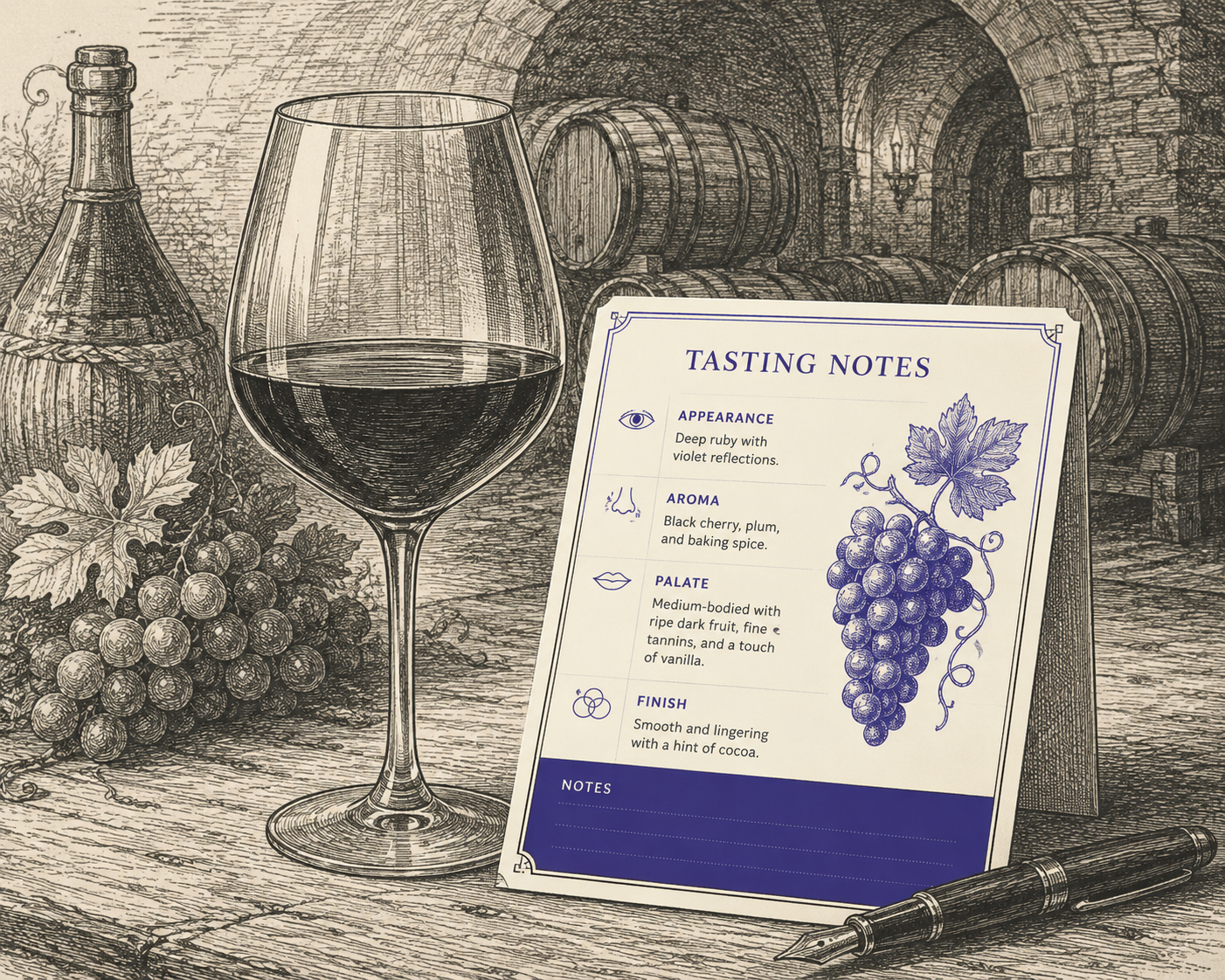
Most tasting notes are written to sound beautiful. If you want an AI assistant to recommend your wine, they need to be written to be read by a machine. The steps are as follows:
Put it on the page as real text
Lead with the facts buyers filter on
Write in plain, declarative sentences
Use concrete descriptors, not poetry
Answer the questions people ask alongside “recommend a wine”
Click here to learn how to test the revised tasting note’s efficacy with an AI chat box.
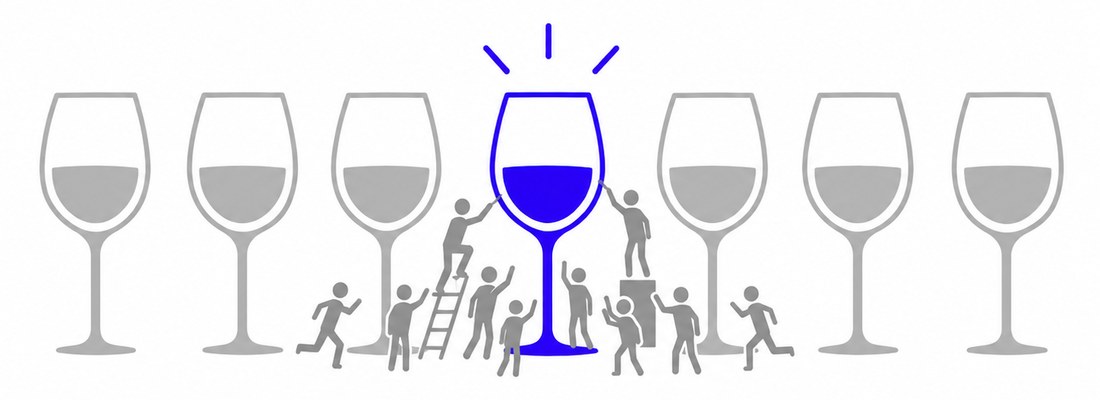
When I was building COLAClear, I wrote a handful of blog posts breaking down alcohol-label compliance — the dense federal rules producers have to navigate.
To my surprise, those posts became the most-read part of the whole site — more than the product itself. People were hungry for clear, plain-English answers to complicated questions.
That stuck with me. Because during that same stretch, I'd learned something else worth sharing: how to get a brand-new product found. COLAClear ended up cited by name in Google's AI Overview, with zero ad spend.
So I put that knowledge into one place — a new primer: GetDiscoverable
It walks through the three layers that now decide whether you get found in 2026:
🔎 SEO — ranking on Google
💬 AEO — being the answer box at the top
🤖 GEO — getting named inside AI answers (ChatGPT, Gemini, Google's AI Overviews)
Plain English, real examples, no jargon — the same approach that made those compliance posts land.
If you've ever wondered why AI recommends some businesses by name and never mentions others — the full primer is linked is here: https://getdiscoverable.io/blog/colaclear-ai-overview/
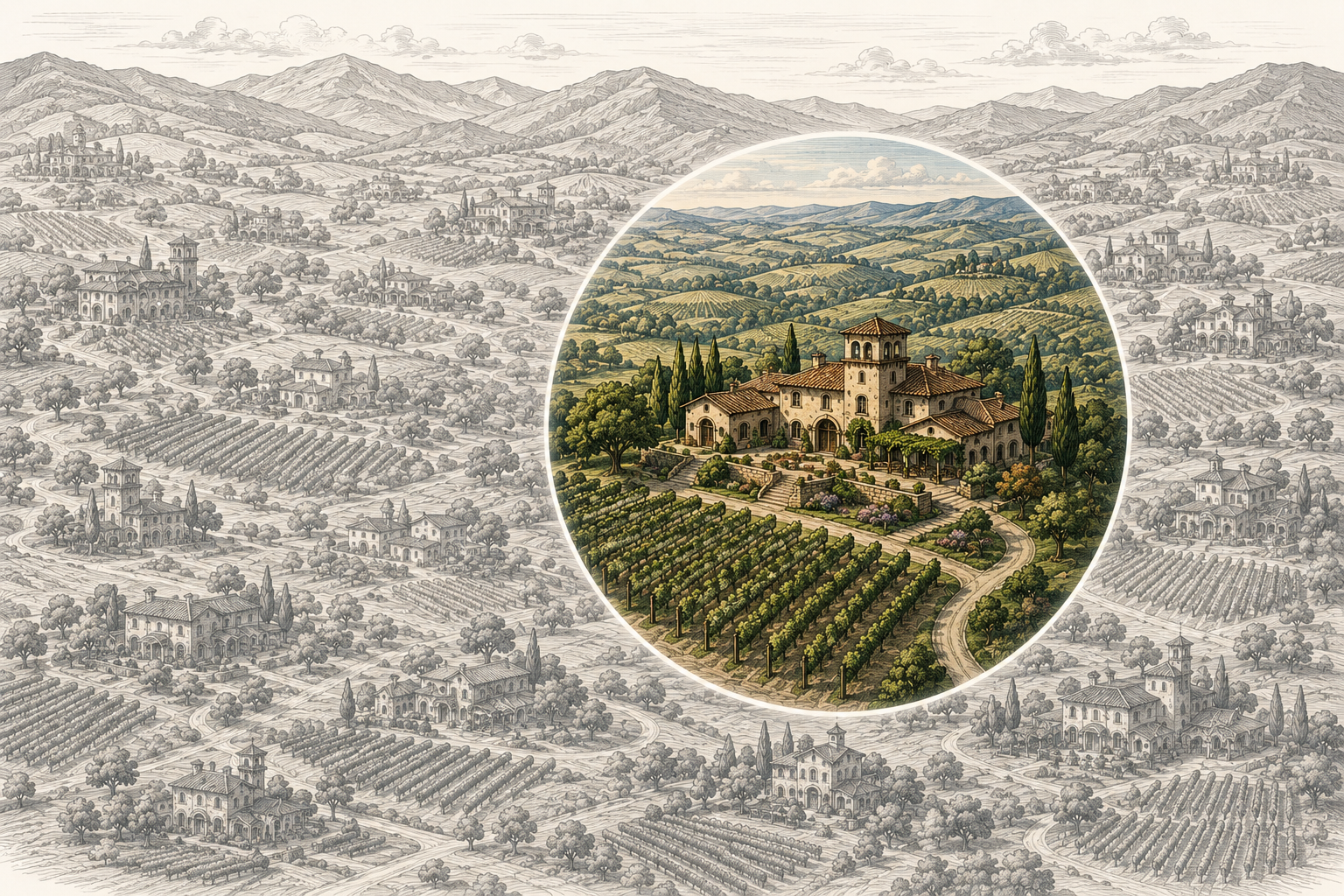
A buyer asks ChatGPT: "recommend a small-production Lodi Zin." It names three wineries in two seconds.
If yours isn't one of them, you were never in the running — and it has almost nothing to do with what's in the bottle.
Here's what most wineries miss: the AI has never tasted your wine. It builds its answer from what it can read about you online. So the wineries it names aren't the best in the glass — they're the ones easiest for a machine to understand.
A gorgeous site with a full-screen vineyard video and barely any words? The AI learns almost nothing. Tasting notes locked inside a PDF? Invisible. Your winery listed three different ways across Vivino, Wine-Searcher, and your distributor pages? Now you're three faint signals instead of one strong one.
I wrote a plain-English piece on exactly what decides whether AI names your winery — and the fixes, most of them free and none of them technical:
🍇 Get tasting notes and tech sheets out of PDFs and onto the page
🍇 One consistent name and address, everywhere you appear
🍇 Make sure your site (and your age-gate) isn't blocking the AI crawlers
🍇 Answer the real questions buyers ask — in writing
Here is the link to the blog on my new site, GetDiscoverable.io: https://getdiscoverable.io/blog/why-ai-names-some-wineries/?utm_source=linkedin&utm_medium=social&utm_campaign=wineries-post
I'm curious — are you seeing your buyers start to ask AI instead of Googling?
"Reserve." "Old Vine." "Proprietor's Blend." These are some of the most resonant words on a wine label, Yet compliance-wise, they're vaporous prose. The TTB has no definition for any of them. Anyone can print them on any wine.
Meanwhile, the plainer-sounding terms are policed to the percentage point:
- Varietal (e.g., Cabernet Sauvignon) → at least 75% must be that grape
- Vintage date → 95% from the stated year, if the label carries an AVA
- "Produced by" → the winery fermented at least 75% of the wine (not the same as "Bottled by")
- Estate Bottled → grown, made, and bottled by one winery, on its own land, in one AVA. All or nothing.
The rejections come from treating these two categories the same way: leaning on a marketing word as if it were a credential, or using a defined term you haven't earned. "Estate Reserve" on a wine that doesn't qualify as Estate Bottled is a fast route to a REVIEW flag.
One caveat worth knowing: unregulated doesn't mean anything goes. Every label is still subject to 27 CFR 4.39's ban on misleading claims. "Reserve" is fine. "Reserve" staged to imply an age or grade you can't back up is not.
New blog post defines the line between marketing language and regulated claims, with the CFR citations behind each one. COLAClear can help with the vetting. Link to the full article: https://www.colaclear.com/blog/wine-label-terms-regulated-vs-marketing/
"Estate Bottled" might be the most coveted phrase in American wine — and one of the most misunderstood.
It isn't a marketing flourish. It's a federal claim with a hard, all-or-nothing definition (27 CFR 4.26). Miss a single condition and you legally cannot use it — no matter how beautiful the wine or how close the story.
To print "Estate Bottled," all four have to be true:
• Your label carries an AVA appellation.
• Your winery sits inside that AVA.
• You grew 100% of the grapes on land you own or control within that same AVA — no purchased fruit, not even from the vineyard next door.
• The wine never left your premises, from crush to bottle.
And "control" isn't a handshake. The TTB means a lease of at least three years where you do all the vineyard work — not a one-year grape contract.
Where it trips people up:
— Buying even a little fruit (there goes the 100%).
— A vineyard just over the AVA line.
— Trucking the wine out to bottle.
Estate Bottled is a promise: grown, made, and bottled in one place, by one hand. When it's on the label, it should be true.
Link to full article here: https://www.colaclear.com/blog/how-to-label-estate-bottled/
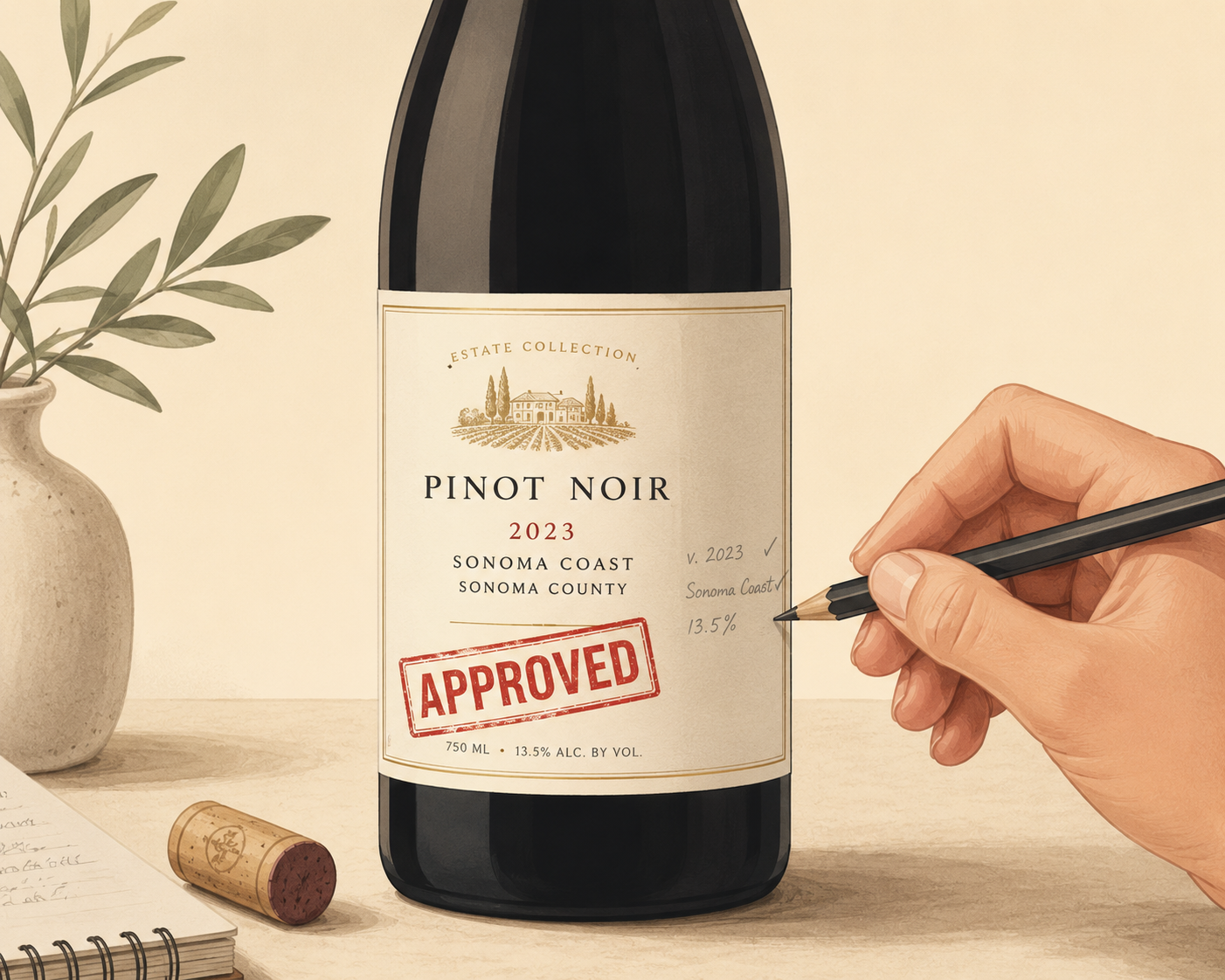
A TTB label approval feels final. It isn't — not entirely.
Once your COLA is approved, the TTB actually lets you make a whole set of changes to that label without refiling. Knowing which ones can save you a filing, a delay, and sometimes a reprint.
A few you can make on your own:
- Change the net contents to another authorized size
- Adjust the alcohol content, within the range for the class
- Add, change, or delete a vintage date
- Move or drop non-mandatory text; change type size, style, or color
- Add a UPC barcode, lot codes, or a bottling date
- Change to an address already approved, or a new one in the same state
And a few that still send you back for a new COLA:
- The brand name
- The class or type designation
- The appellation name (you can change the grape percentage — just not the name)
- The grape varietal
Rule of thumb: if it changes the mandatory identity of the product, refile. If it doesn't, you're likely clear — but check it against the TTB's own list before you reprint. Link to the entire article here.
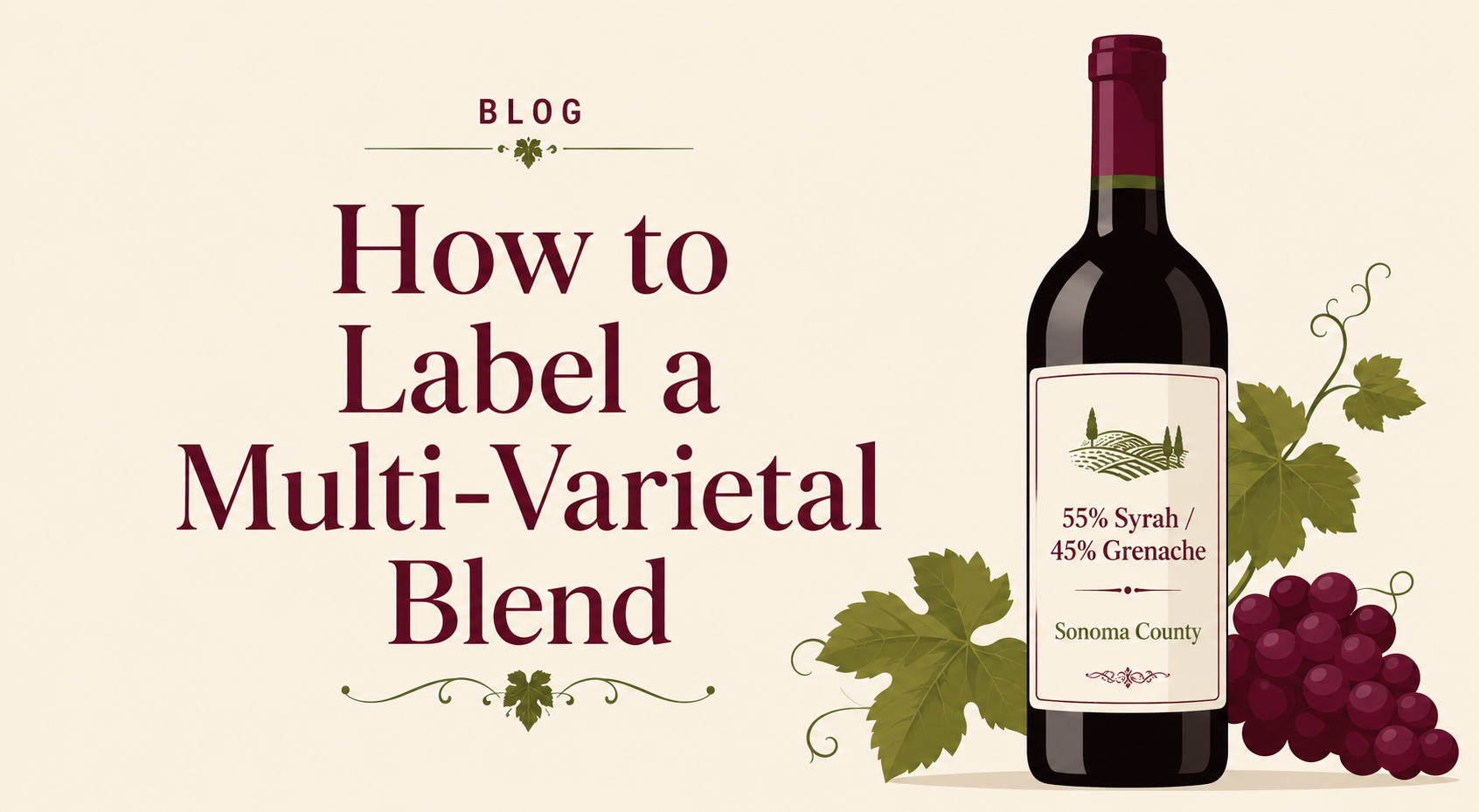
Name two grapes and you have triggered a specific set of rules: name them all, show the percentages, and back it with an appellation.
Putting a grape variety on the label — one grape or several — is a regulated claim, not a marketing choice. The rules are mechanical: easy to meet once you know them, easy to fail if you do not. Find out how to label a varietal or a blend so it complies with TTB's COLA regulations. Link to the complete how-to article here.
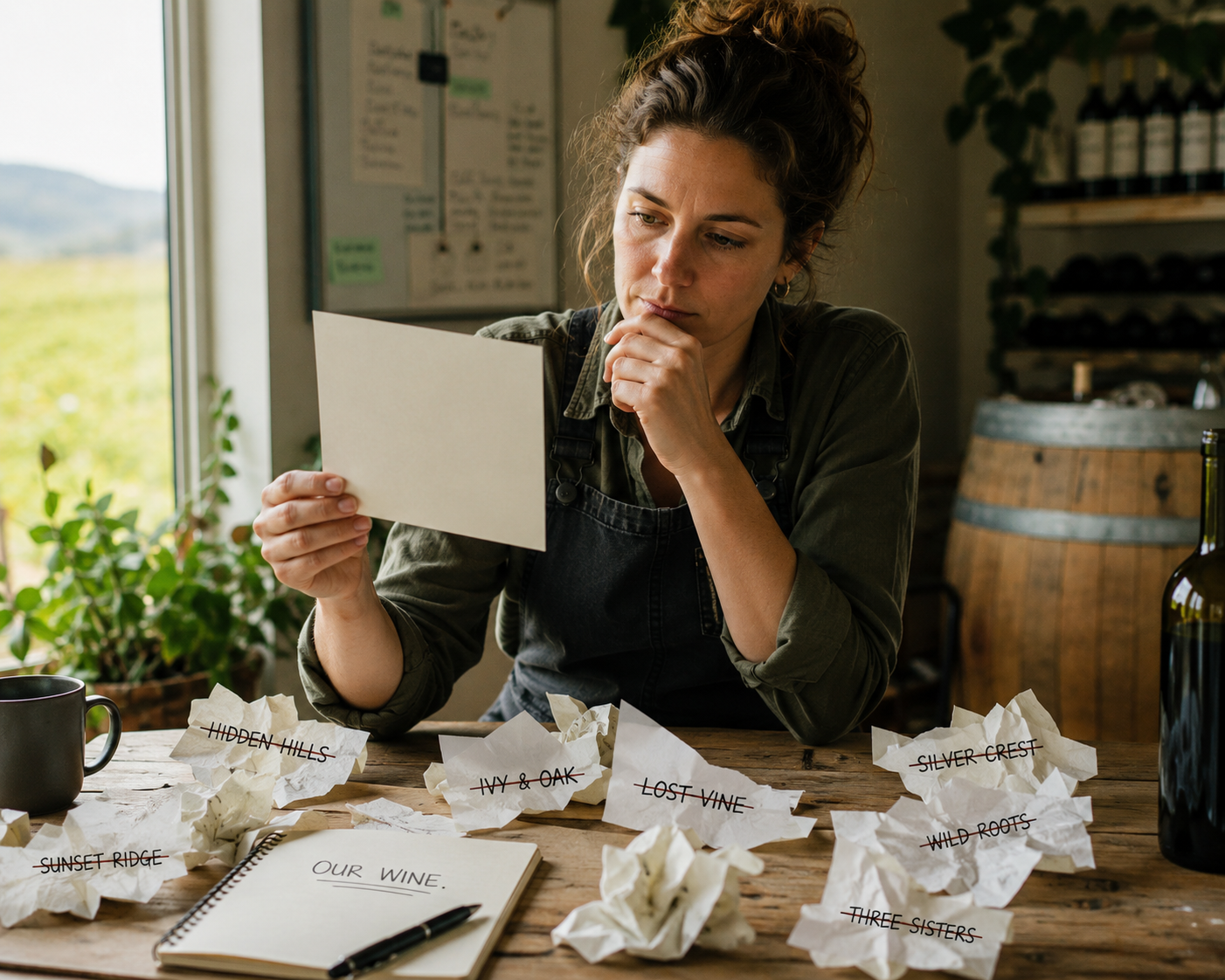
The TTB will approve a wine called Booty Call. It'll approve Cheap Ass Wine. What it won't approve is a name that implies your grapes came from somewhere they didn't.
Yesterday I shared a list of wacky names the feds signed off on. The follow-up: If those cleared, what actually gets a name rejected?
Short list:
→ A place with wine meaning you don't qualify for. "Sonoma Ridge" on a wine that isn't from Sonoma comes back.
→ A health halo — "clean," "detox," anything that sounds good-for-you.
→ A swipe at a competitor.
→ Actual obscenity, which is a surprisingly high bar (see: Booty Call).
Crude and silly are fine. Misleading is what earns a Needs Correction.
The name is the one part of the label the TTB leaves entirely to you. The rest— alcohol statement, net contents, the warning — isn't optional, and that's usually where a label won't pass muster.
Read the full blog here: https://www.colaclear.com/blog/how-to-name-a-wine/